

-
General Purpose Valve Series Butterfly valve series Ball valve series Hydraulic control valve series Corrosion-resistant valve series Bellows valve series Regulating valve seriesThree eccentric butterfly valve series Two-way double eccentric metal hard seal butterfly valve Soft seal butterfly valve series Other Butterfly Valve SeriesHydraulic control valve series Multi-function water control valve Elastic Seated Gate Valve On-off electric valve

- All
- Product Management
- News
- Introduction
- Enterprise outlets
- FAQ
- Enterprise Video
- Enterprise Atlas
Industrial Control Valves: Essential Features to Consider for Optimal Performance
Release time:
Oct 12,2025
Industrial Control Valves: Essential Features to Consider for Optimal Performance
When it comes to maintaining efficiency and safety in industrial processes, **industrial control valves** play a pivotal role. These valves regulate the flow of fluids, gases, or slurries within various systems, ensuring that operational parameters remain within desired limits. Understanding the key features to look for in control valves can significantly impact the reliability and efficiency of your industrial operations. This article delves deep into the essential features of industrial control valves that every professional should consider.
Table of Contents
1. What Are Industrial Control Valves?
2. Why Are Industrial Control Valves Important?
3. Key Features of Industrial Control Valves
- 3.1 Materials of Construction
- 3.2 Valve Designs and Types
- 3.3 Actuation Options
- 3.4 Flow Characteristics
- 3.5 Sealing Technology
4. How to Select the Right Control Valve
5. Maintenance Tips for Industrial Control Valves
6. Common Applications of Industrial Control Valves
7. Future Trends in Control Valve Technology
8. Conclusion
9. FAQs
What Are Industrial Control Valves?
Industrial control valves are mechanisms used to regulate the flow and pressure of various fluids and gases. They are integral to many systems, including those used in manufacturing, chemical processing, and oil and gas applications. Control valves respond to signals from control systems, allowing precise adjustments of flow rates and pressure levels to optimize production efficiency and safety.
Why Are Industrial Control Valves Important?
The importance of industrial control valves cannot be overstated. They ensure that processes operate smoothly and efficiently by managing flow and pressure within systems. A malfunctioning control valve can lead to severe operational issues, including:
- **Process inefficiencies**: Poorly functioning valves can cause flow restrictions or leaks, leading to increased operational costs.
- **Equipment damage**: Overpressurization or flow fluctuations due to valve failures can damage equipment and machinery.
- **Safety risks**: Inadequate control over fluid or gas flows can pose safety hazards, leading to accidents or explosions.
Choosing the right control valve is thus essential for sustaining operational excellence and ensuring workplace safety.
Key Features of Industrial Control Valves
When selecting industrial control valves, it's crucial to understand the features that enhance their performance and reliability. Here are the essential characteristics to consider:
Materials of Construction
The choice of materials used in valve construction significantly affects durability, performance, and compatibility with different fluids. Common materials include:
- **Stainless Steel**: Known for its corrosion resistance, stainless steel is ideal for harsh environments and corrosive substances.
- **Carbon Steel**: While not as resistant to corrosion, carbon steel is often used for high-pressure applications.
- **Plastic and Composite Materials**: Suitable for specific non-corrosive applications, these materials are lightweight and cost-effective.
Selecting the right material ensures longevity and functionality, particularly in demanding industrial settings.
Valve Designs and Types
Control valves come in various designs, each tailored to specific applications and operational requirements. Common types include:
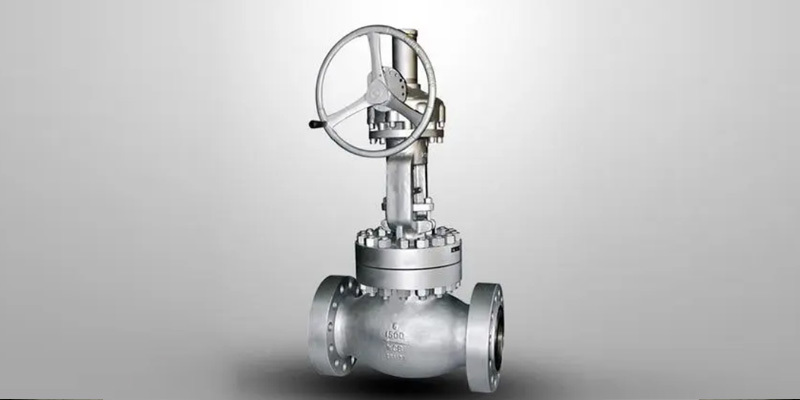
- **Globe Valves**: Ideal for throttling applications, globe valves provide excellent flow control.
- **Ball Valves**: Known for quick opening and closing, ball valves are perfect for on-off applications.
- **Butterfly Valves**: These valves are compact and lightweight, making them suitable for large-scale flow regulation.
Understanding the different designs enables industries to choose the best valve type for their particular processes.
Actuation Options
Actuation methods dictate how a control valve responds to system signals. Common actuation methods include:
- **Manual Actuators**: Require operator intervention and are best for simple on-off applications.
- **Pneumatic Actuators**: Utilize compressed air to operate the valve, offering rapid response times.
- **Electric Actuators**: Provide precise control and can be integrated with complex control systems.
Selecting the right actuation option ensures that control valves respond effectively to system demands.
Flow Characteristics
Flow characteristics define how a valve transitions from open to closed positions and how it behaves during operation. The most common flow characteristics include:
- **Linear Flow**: Provides a direct relationship between the valve opening and flow rate.
- **Equal Percentage Flow**: Offers a consistent percentage change in flow rate for each increment of valve opening, ideal for precise control.
- **Quick Opening**: Allows for rapid flow increases, suitable for applications needing immediate flow changes.
Evaluating flow characteristics helps in achieving desired process outcomes and optimizing control.
Sealing Technology
The effectiveness of a control valve is often determined by its sealing technology. Proper sealing ensures that the valve maintains pressure and prevents leaks. Key sealing technologies include:
- **Soft Seals**: Compliant materials that provide good sealing but may wear over time.
- **Metal Seals**: More durable but can be less forgiving, often used in high-temperature or high-pressure applications.
- **Composite Seals**: Combine features of both soft and metal seals for enhanced performance across various conditions.
Choosing the right sealing technology is crucial for maintaining system integrity and efficiency.
How to Select the Right Control Valve
Selecting the appropriate control valve involves several considerations:
1. **Identify the Application**: Understand the specific needs of your process, such as flow rates, pressure, and temperature conditions.
2. **Evaluate Fluid Characteristics**: Consider the type of fluid or gas being controlled, including its corrosiveness and viscosity.
3. **Determine Control Requirements**: Assess how precise the control needs to be and whether manual or automated actuation is suitable.
4. **Consult Manufacturer Specifications**: Review technical data sheets and manufacturer guidelines to ensure compatibility and performance.
5. **Consider Budget Constraints**: Balance the need for quality and performance with budget limitations.
Taking a methodical approach to valve selection enhances system performance and reduces operational risks.
Maintenance Tips for Industrial Control Valves
Regular maintenance of control valves is essential for ensuring optimal performance and longevity. Here are some tips to consider:
- **Regular Inspections**: Conduct routine checks for leaks, wear, and operational efficiency.
- **Calibrate Actuators**: Ensure actuators are calibrated to respond accurately to system signals.
- **Clean Components**: Regularly clean valve components to remove buildup and prevent blockages.
- **Monitor Performance**: Keep track of flow rates and pressure levels for any deviations that indicate maintenance needs.
- **Replace Seals and Gaskets**: Periodically check and replace seals to prevent leaks and maintain performance.
Implementing a comprehensive maintenance program can mitigate potential issues and enhance valve reliability.
Common Applications of Industrial Control Valves
Industrial control valves are employed across various sectors, including:
- **Oil and Gas**: Used for flow regulation in extraction and refining processes.
- **Chemical Processing**: Regulate flow and pressure in the production of chemicals and pharmaceuticals.
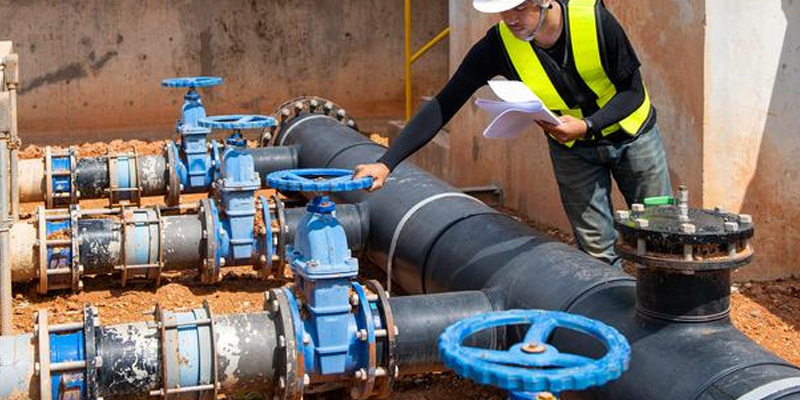
- **Water Treatment**: Control the flow of water and chemicals in treatment facilities.
- **HVAC Systems**: Manage airflow and temperature in heating and cooling applications.
Understanding the applications helps in identifying the specific requirements and selecting the appropriate valves.
Future Trends in Control Valve Technology
The industrial control valve market is evolving, driven by technological advancements and changing industry demands. Key trends include:
- **Smart Valves**: Integration of IoT technology allows for real-time monitoring and control, enhancing operational efficiency.
- **Advanced Materials**: Development of new materials that offer better resistance to extreme conditions and corrosion.
- **Predictive Maintenance**: Leveraging AI and machine learning to predict valve failures before they occur, minimizing downtime.
Staying informed about these trends helps industries adapt to changing technologies and improve operational performance.
Conclusion
In the realm of industrial operations, **control valves** are indispensable for maintaining efficiency and safety. By understanding the key features such as materials, designs, actuation methods, and sealing technologies, industries can make informed decisions that lead to enhanced performance. Regular maintenance and awareness of future trends further contribute to the longevity and reliability of control valves. Selecting the right control valve is not just a matter of function; it's a crucial step towards optimizing your industrial processes.
FAQs
1. What are the main functions of industrial control valves?
Control valves regulate the flow and pressure of fluids and gases, ensuring that systems operate within safe and efficient parameters.
2. How do I choose the right type of control valve for my application?
Consider factors such as the type of fluid, required flow rates, pressure conditions, and the need for manual or automated actuation.
3. What are the consequences of using the wrong control valve?
Using the wrong valve can lead to inefficiencies, equipment damage, safety hazards, and increased operational costs.
4. How often should control valves be maintained?
Regular inspections should occur at least annually, while more frequent checks may be necessary for valves in critical applications.
5. What is the role of smart technology in control valves?
Smart technology enables real-time monitoring and data collection, allowing for improved efficiency and predictive maintenance capabilities.
By focusing on these aspects, we ensure that this guide serves as a comprehensive resource for selecting and maintaining industrial control valves, aiding professionals in making informed decisions that optimize their operations.
Key words:
More news
Essential Installation Tips for Two-Piece Flanged Ball Valves in Industrial Settings
Understanding Cast Steel Floating Ball Valves: Key Features and Applications
Floating Ball Valve vs. Traditional Valves: What You Need to Know for Optimal Performance
Maximizing Reliability: How Customized Regulating Valves Enhance System Performance
Top Features to Look for in China’s Automatic Water Control Valves
Key Features to Look for in Quality Industrial Control Valves

National sales hotline 7*24 hours
Address: 801-805 Jingshan Road, Guannan Industrial Zone, jimei district, Xiamen City


