

-
General Purpose Valve Series Butterfly valve series Ball valve series Hydraulic control valve series Corrosion-resistant valve series Bellows valve series Regulating valve seriesThree eccentric butterfly valve series Two-way double eccentric metal hard seal butterfly valve Soft seal butterfly valve series Other Butterfly Valve SeriesHydraulic control valve series Multi-function water control valve Elastic Seated Gate Valve On-off electric valve

- All
- Product Management
- News
- Introduction
- Enterprise outlets
- FAQ
- Enterprise Video
- Enterprise Atlas
Understanding Bellows Valves: Essential Insights for Industrial Applications
Release time:
May 12,2025
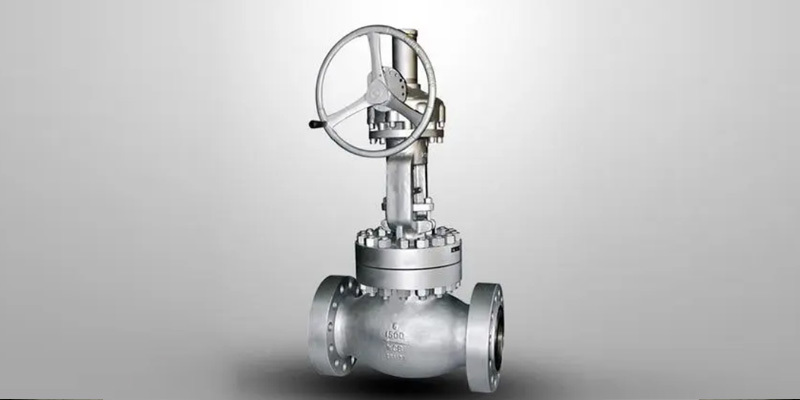
In the realm of industrial equipment and components, the bellows valve is a specialized type of valve that plays a crucial role in controlling fluid flow. This unique valve design incorporates a flexible, accordion-like bellows structure that serves multiple functions, primarily sealing and regulating the flow of gases or liquids. Understanding the intricacies of bellows valves can significantly benefit engineers and technicians involved in system design and troubleshooting.
One of the primary advantages of bellows valves is their ability to maintain a tight seal even under varying pressures and temperatures. This characteristic is particularly valuable in applications involving corrosive or hazardous fluids, as it minimizes the risk of leaks and enhances the safety of operations. The bellows design also eliminates the need for traditional packing materials, which can wear out over time, leading to potential failures. This not only simplifies maintenance but also prolongs the lifespan of the valve.
Additionally, bellows valves are often used in applications requiring high purity and cleanliness, such as pharmaceutical manufacturing and semiconductor production. The absence of packing materials reduces contamination risks, making these valves suitable for high-stakes environments. Moreover, the flexibility of the bellows allows for precise control of the flow rate, contributing to enhanced process efficiency.
In terms of installation, bellows valves can be found in various configurations, including manual, pneumatic, and electric actuated modes. This versatility makes them adaptable to a range of industrial settings, from water treatment facilities to chemical plants. Selecting the right type of actuation is crucial, as it directly impacts the valve's performance and responsiveness within a system.
When considering the implementation of bellows valves, it is essential to evaluate specific application requirements. Factors such as pressure ranges, fluid characteristics, and operational environments should be taken into account. Furthermore, conducting regular inspections and maintenance will ensure that the valves function optimally and that any potential issues are addressed before they escalate.
In conclusion, bellows valves are a vital component in many industrial applications, providing reliable performance and safety in fluid management. By understanding their functionality and advantages, professionals can make informed decisions when integrating these valves into their systems. Continuous education about valve technology, including bellows valves, is essential for maintaining competitive edge in the ever-evolving industrial landscape.
Key words:
More news
Essential Installation Tips for Two-Piece Flanged Ball Valves in Industrial Settings
Understanding Cast Steel Floating Ball Valves: Key Features and Applications
Floating Ball Valve vs. Traditional Valves: What You Need to Know for Optimal Performance
Maximizing Reliability: How Customized Regulating Valves Enhance System Performance
Top Features to Look for in China’s Automatic Water Control Valves
Key Features to Look for in Quality Industrial Control Valves

National sales hotline 7*24 hours
Address: 801-805 Jingshan Road, Guannan Industrial Zone, jimei district, Xiamen City


