

-
General Purpose Valve Series Butterfly valve series Ball valve series Hydraulic control valve series Corrosion-resistant valve series Bellows valve series Regulating valve seriesThree eccentric butterfly valve series Two-way double eccentric metal hard seal butterfly valve Soft seal butterfly valve series Other Butterfly Valve SeriesHydraulic control valve series Multi-function water control valve Elastic Seated Gate Valve On-off electric valve

- All
- Product Management
- News
- Introduction
- Enterprise outlets
- FAQ
- Enterprise Video
- Enterprise Atlas
Future Innovations in Globe Butterfly Valve Technology: What to Expect
Release time:
May 13,2025
Future Innovations in Globe Butterfly Valve Technology: What to Expect
Table of Contents
- 1. Introduction to Globe Butterfly Valves
- 2. Current Technology in Globe Butterfly Valves
- 3. Emerging Trends in Valve Technology
- 4. The Rise of Smart Globe Butterfly Valves
- 5. Material Innovations for Enhanced Performance
- 6. Energy Efficiency and Sustainability
- 7. Future Applications of Globe Butterfly Valves
- 8. Challenges and Solutions in Valve Technology
- 9. Conclusion
- 10. Frequently Asked Questions
1. Introduction to Globe Butterfly Valves
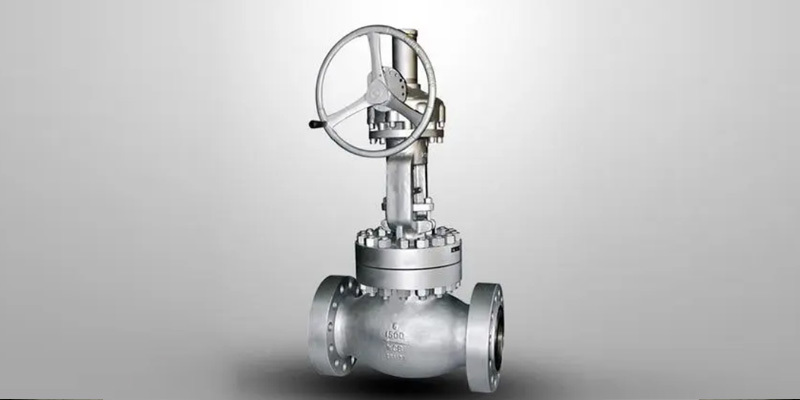
Globe butterfly valves play an essential role in various industrial applications, providing control over fluid flow and pressure. Their unique design allows for efficient throttling and isolation, making them a preferred choice in sectors like oil and gas, water treatment, and chemical processing. As technology evolves, so too does the globe butterfly valve, with innovations poised to enhance their performance, reliability, and efficiency.
2. Current Technology in Globe Butterfly Valves
The current landscape of globe butterfly valve technology is characterized by advancements in materials, design, and control mechanisms. Most modern globe butterfly valves utilize high-quality materials such as stainless steel, which offers excellent corrosion resistance and durability. Advanced manufacturing techniques, including CNC machining and precision casting, have improved the accuracy of valve components, resulting in better sealing and reduced maintenance.
Additionally, the integration of pneumatic and electric actuators allows for improved responsiveness and remote operation, offering operators greater control over flow rates and system pressures. However, while current technologies offer significant advantages, there remains room for enhancement to meet the evolving demands of industries.
3. Emerging Trends in Valve Technology
As industries strive for efficiency and sustainability, several emerging trends are shaping the future of globe butterfly valve technology. These include:
3.1 Automation and Control
Automation is becoming increasingly prevalent in industrial processes, and globe butterfly valves are no exception. The integration of advanced control systems enables operators to monitor and adjust valve positions in real-time, improving process efficiency and reducing human error.
3.2 Predictive Maintenance
Predictive maintenance strategies, using sensors and IoT technology, can help anticipate valve failures before they occur. This proactive approach minimizes downtime and repair costs, significantly enhancing operational efficiency.
3.3 Customization and Modular Design
There is a growing demand for customizable solutions tailored to specific industrial requirements. Modular designs allow for easier integration into existing systems, enabling industries to adapt to changing needs without significant overhauls.
4. The Rise of Smart Globe Butterfly Valves
Smart globe butterfly valves represent the pinnacle of innovation in valve technology. Equipped with sensors and connectivity features, these valves can relay real-time data about performance metrics, such as flow rate and pressure.
4.1 Benefits of Smart Valves
- **Data-Driven Decisions**: Access to real-time performance data allows operators to make informed decisions, optimizing processes and reducing waste.
- **Remote Monitoring**: Smart valves can be monitored and controlled remotely, enhancing operational flexibility and responsiveness.
- **Enhanced Safety**: Integrated safety features can help mitigate risks associated with fluid flow and pressure management.
4.2 Integration with Industry 4.0
As industries transition to Industry 4.0, the integration of smart globe butterfly valves will be essential. These valves will communicate with other automated systems, contributing to a more interconnected and efficient industrial ecosystem.
5. Material Innovations for Enhanced Performance
Material advancements are fundamental to improving the reliability and lifespan of globe butterfly valves. New composite materials and advanced coatings are being developed to address challenges such as corrosion and wear, offering several benefits:
5.1 Composite Materials
These materials combine the strengths of different substances to create a lightweight yet robust valve design. This innovation reduces the overall weight of the valve while maintaining its structural integrity, making it easier to install and operate.
5.2 Coating Technologies
Advanced coating technologies, such as polymer and ceramic coatings, provide exceptional resistance to abrasion and corrosion. These coatings extend the lifespan of valves, reducing maintenance requirements and enhancing overall system reliability.
6. Energy Efficiency and Sustainability
As industries increasingly prioritize sustainability, the focus on energy-efficient solutions in globe butterfly valve technology is intensifying. Innovations aimed at reducing energy consumption and minimizing environmental impact are becoming more prominent.
6.1 Low-Pressure Drop Design
Future globe butterfly valves are expected to incorporate designs that minimize pressure drop, enabling more efficient fluid flow. This innovation leads to reduced energy consumption in pumping systems, directly contributing to lower operational costs.
6.2 Eco-Friendly Manufacturing Processes
Manufacturers are adopting eco-friendly practices, such as utilizing recycled materials and reducing waste during production. These changes are integral to creating sustainable products that align with global environmental goals.
7. Future Applications of Globe Butterfly Valves
The versatility of globe butterfly valves positions them for diverse applications across various industries. As innovations continue to emerge, new applications are likely to develop:
7.1 Water Treatment
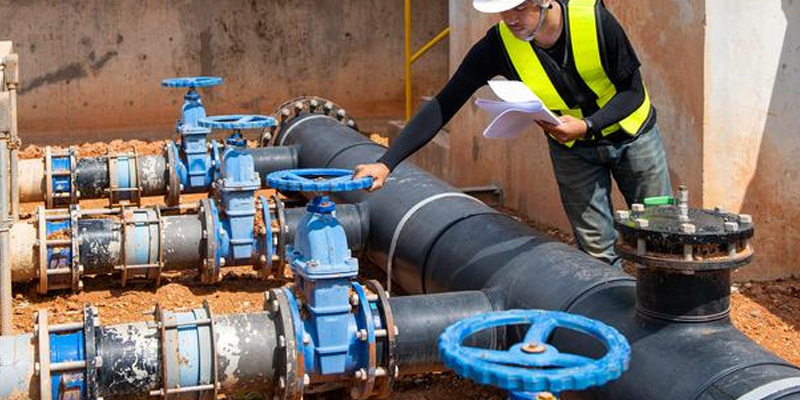
In water treatment facilities, globe butterfly valves will play a crucial role in managing flow rates and ensuring the efficient operation of treatment processes.
7.2 Oil and Gas
The oil and gas sector will benefit from enhanced valve technologies that improve safety and efficiency in challenging environments, such as offshore drilling operations.
7.3 Food and Beverage Industry
The food and beverage industry demands high hygiene standards. Future innovations will likely focus on valves made from materials that are easy to clean and maintain, ensuring compliance with strict regulations.
8. Challenges and Solutions in Valve Technology
Despite the promising advancements in globe butterfly valve technology, challenges remain. Addressing these challenges is essential for the successful implementation of new innovations.
8.1 Aging Infrastructure
Many industries operate with outdated systems that may not be compatible with new valve technologies. Upgrading infrastructure will be crucial for harnessing the benefits of innovations in globe butterfly valves.
8.2 Skill Gaps
The introduction of advanced technologies requires skilled personnel who can effectively operate and maintain these systems. Investing in training and development will help bridge the skills gap in the workforce.
9. Conclusion
The future of globe butterfly valve technology is bright, with innovations poised to enhance performance, efficiency, and sustainability. By embracing automation, smart technologies, and advanced materials, industries can expect significant improvements in their operational capabilities. As we look ahead, staying informed about these advancements will be crucial for companies aiming to remain competitive in an ever-evolving market.
10. Frequently Asked Questions
1. What are globe butterfly valves used for?
Globe butterfly valves are commonly used to control fluid flow in various industries, including oil and gas, water treatment, and chemical processing.
2. How do smart globe butterfly valves improve efficiency?
Smart globe butterfly valves enhance efficiency by providing real-time data, enabling remote monitoring, and facilitating data-driven decision-making.
3. What materials are used in modern globe butterfly valves?
Modern globe butterfly valves are typically made from high-quality materials such as stainless steel and advanced composites, often featuring protective coatings for enhanced durability.
4. What are the benefits of low-pressure drop designs?
Low-pressure drop designs in globe butterfly valves allow for more efficient fluid flow, reducing energy consumption and operational costs.
5. How can predictive maintenance benefit valve operations?
Predictive maintenance helps anticipate valve failures before they occur, minimizing downtime and repair costs, leading to improved operational efficiency.
Key words:
More news
Essential Installation Tips for Two-Piece Flanged Ball Valves in Industrial Settings
Understanding Cast Steel Floating Ball Valves: Key Features and Applications
Floating Ball Valve vs. Traditional Valves: What You Need to Know for Optimal Performance
Maximizing Reliability: How Customized Regulating Valves Enhance System Performance
Top Features to Look for in China’s Automatic Water Control Valves
Key Features to Look for in Quality Industrial Control Valves

National sales hotline 7*24 hours
Address: 801-805 Jingshan Road, Guannan Industrial Zone, jimei district, Xiamen City


