

-
General Purpose Valve Series Butterfly valve series Ball valve series Hydraulic control valve series Corrosion-resistant valve series Bellows valve series Regulating valve seriesThree eccentric butterfly valve series Two-way double eccentric metal hard seal butterfly valve Soft seal butterfly valve series Other Butterfly Valve SeriesHydraulic control valve series Multi-function water control valve Elastic Seated Gate Valve On-off electric valve

- All
- Product Management
- News
- Introduction
- Enterprise outlets
- FAQ
- Enterprise Video
- Enterprise Atlas
Unlocking Efficiency: The Critical Role of Bellows Valves in Industrial Applications
Release time:
Nov 03,2025
Unlocking Efficiency: The Critical Role of Bellows Valves in Industrial Applications
Table of Contents
- 1. Introduction to Bellows Valves
- 2. What Are Bellows Valves?
- 3. How Do Bellows Valves Work?
- 4. Benefits of Using Bellows Valves in Industry
- 5. Applications of Bellows Valves in Various Industries
- 6. Installation and Maintenance of Bellows Valves
- 7. Troubleshooting Common Issues with Bellows Valves
- 8. The Future of Bellows Valves in Industrial Applications
- 9. Conclusion
- 10. Frequently Asked Questions
1. Introduction to Bellows Valves
In the realm of industrial applications, efficiency and reliability are paramount. **Bellows valves** have emerged as a critical component in enhancing these aspects across numerous sectors. Their unique design not only provides effective flow control but also ensures longevity and minimal maintenance. This article delves into the intricacies of bellows valves, highlighting their benefits, applications, and future prospects in various industries.
2. What Are Bellows Valves?
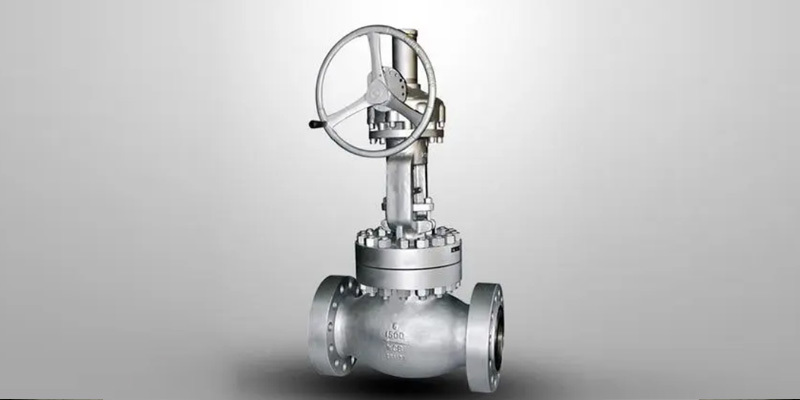
Bellows valves are specialized valves designed to regulate the flow of fluids while providing a tight seal against leakage. The key feature of these valves is the **bellows**—a flexible, accordion-like component that expands and contracts to control the valve's opening and closing. This design allows for minimal wear and tear, making bellows valves ideal for services where traditional valves may fail due to corrosion, contamination, or pressure fluctuations.
2.1 Types of Bellows Valves
Bellows valves come in several configurations, including:
- **Globe Bellows Valves**: Ideal for throttling and flow regulation.
- **Check Bellows Valves**: Prevent backflow in piping systems.
- **Butterfly Bellows Valves**: Compact design for large flow control.
Each type serves specific functions, catering to diverse industrial needs.
3. How Do Bellows Valves Work?
The operation of bellows valves is straightforward yet effective. When an external force is applied (either manually or via an actuator), the bellows compress and allow fluid to pass through the valve. Conversely, when the force is removed, the bellows expand, closing off the passage and preventing flow. This mechanism provides precise control over fluid dynamics, making bellows valves crucial for maintaining operational efficiency.
3.1 Sealing Mechanism
The seal provided by the bellows is essential. Unlike traditional valves that may require packing or gaskets, bellows valves utilize their inherent design to create a reliable seal, which drastically reduces leakage and contamination risks. This feature is particularly beneficial in industries dealing with hazardous or corrosive fluids.
4. Benefits of Using Bellows Valves in Industry
Bellows valves offer numerous advantages that enhance their value in industrial applications:
4.1 Enhanced Durability
With fewer moving parts and a robust construction, bellows valves exhibit exceptional durability. They withstand harsh operating conditions, including high temperatures and corrosive environments.
4.2 Reduced Maintenance Requirements
The unique design minimizes wear, translating to lower maintenance needs and costs. Industries can significantly cut down on downtime associated with valve repairs or replacements.
4.3 Improved Flow Control
Bellows valves provide precise flow regulation, allowing for better control over processes. This capability is essential in applications where fluid dynamics play a critical role in product quality.
4.4 Versatility
These valves can be used in a wide range of applications—from chemical processing to HVAC systems—making them an adaptable choice for various industries.
5. Applications of Bellows Valves in Various Industries
The versatility of bellows valves allows them to be utilized in a myriad of industries, each benefiting from their unique features:
5.1 Chemical Processing
In chemical plants, bellows valves manage corrosive substances while preventing leakage, ensuring safety and compliance with environmental standards.
5.2 Pharmaceutical Industry
Maintaining sterile conditions is critical in pharmaceutical manufacturing. Bellows valves provide the necessary sealing to prevent contamination during fluid transfer.
5.4 HVAC Systems
In heating, ventilation, and air conditioning systems, bellows valves regulate airflow and pressure, contributing to energy efficiency and comfort.
5.5 Oil and Gas Industry
Bellows valves handle high-pressure applications in the oil and gas sector, where durability and leak prevention are paramount.
6. Installation and Maintenance of Bellows Valves
Proper installation and maintenance practices are essential to ensure optimal performance of bellows valves.
6.1 Installation Guidelines
- **Select the Right Size**: Ensure the valve fits the piping system to prevent leaks.
- **Follow Manufacturer Instructions**: Adhere to guidelines regarding orientation and connection methods.
- **Check for Compatibility**: Ensure materials are compatible with the fluids being handled.
6.2 Maintenance Practices
- **Regular Inspections**: Check for signs of wear or damage.
- **Cleaning**: Periodically clean the valve to prevent build-up of contaminants.
- **Replace Components**: Change out any worn-out parts to maintain functionality.
7. Troubleshooting Common Issues with Bellows Valves
Even with their robust design, bellows valves can encounter issues. Here are some common problems and solutions:
7.1 Leakage
If leakage occurs, inspect the bellows for cracks or wear. Replacing the valve may be necessary if damage is extensive.
7.2 Inconsistent Flow
Inconsistent flow may indicate blockages within the valve or piping. Cleaning and ensuring the valve is free of debris can resolve this issue.
7.3 Difficulty in Operation
If the valve is difficult to operate, check for mechanical issues or misalignment during installation.
8. The Future of Bellows Valves in Industrial Applications
As industries evolve, so too will the technology surrounding bellows valves. Innovations in materials and design are likely to enhance their efficiency further. **Smart technologies**, including IoT integration, may also play a role in monitoring valve performance and predicting maintenance needs, leading to more proactive management of industrial processes.
9. Conclusion
Bellows valves play a crucial role in unlocking efficiency across various industrial applications. Their unique design not only ensures durability and minimal maintenance but also provides precise control over fluid dynamics. As industries continue to strive for greater efficiency and reliability, bellows valves will undoubtedly remain indispensable tools in achieving these goals.
10. Frequently Asked Questions
10.1 What are the key advantages of bellows valves over traditional valves?
Bellows valves offer enhanced durability, reduced maintenance needs, and better sealing capabilities, making them ideal for harsh industrial environments.
10.2 In which industries are bellows valves most commonly used?
They are commonly used in chemical processing, pharmaceuticals, HVAC systems, and the oil and gas industry.
10.3 How often should bellows valves be inspected?
Regular inspections should be conducted at least annually, or more frequently in critical applications.
10.4 Can bellows valves be repaired, or do they need to be replaced?
Depending on the extent of damage, bellows valves may be repairable, but in many cases, replacement is recommended for optimal performance.
10.5 What are the signs that a bellows valve needs maintenance?
Signs include leakage, inconsistent flow, and difficulty in operation. Regular monitoring can help detect these issues early.
Key words:
More news
Essential Installation Tips for Two-Piece Flanged Ball Valves in Industrial Settings
Understanding Cast Steel Floating Ball Valves: Key Features and Applications
Floating Ball Valve vs. Traditional Valves: What You Need to Know for Optimal Performance
Maximizing Reliability: How Customized Regulating Valves Enhance System Performance
Top Features to Look for in China’s Automatic Water Control Valves
Key Features to Look for in Quality Industrial Control Valves

National sales hotline 7*24 hours
Address: 801-805 Jingshan Road, Guannan Industrial Zone, jimei district, Xiamen City


