

-
General Purpose Valve Series Butterfly valve series Ball valve series Hydraulic control valve series Corrosion-resistant valve series Bellows valve series Regulating valve seriesThree eccentric butterfly valve series Two-way double eccentric metal hard seal butterfly valve Soft seal butterfly valve series Other Butterfly Valve SeriesHydraulic control valve series Multi-function water control valve Elastic Seated Gate Valve On-off electric valve

- All
- Product Management
- News
- Introduction
- Enterprise outlets
- FAQ
- Enterprise Video
- Enterprise Atlas
Top Features to Look for in a Globe Butterfly Valve
Release time:
Nov 07,2025
Top Features to Look for in a Globe Butterfly Valve
Introduction to Globe Butterfly Valves
In the realm of industrial equipment, valves play a critical role in controlling fluid flow within various systems. Among these, the globe butterfly valve stands out due to its unique design and functionality. Combining the features of both globe and butterfly valves, this hybrid option offers numerous advantages, making it a favored choice for many industries. In this article, we will explore the top features to look for when selecting a globe butterfly valve to ensure optimal performance and reliability.
Understanding the Basics of Globe Butterfly Valves
What is a Globe Butterfly Valve?
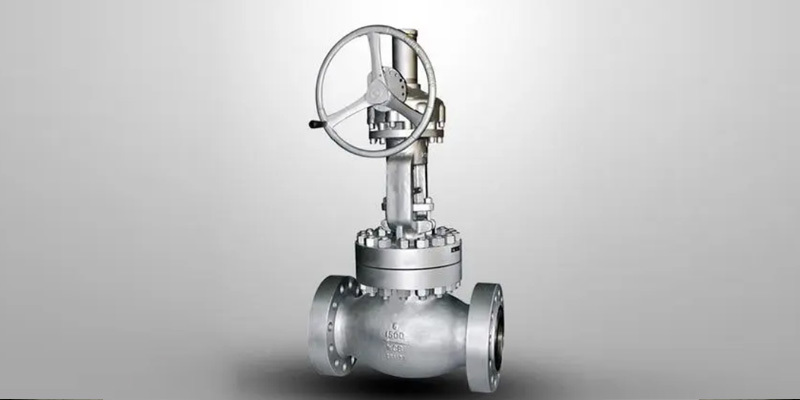
A globe butterfly valve is a type of valve that utilizes a disc to regulate flow. Unlike traditional butterfly valves, which are designed primarily for quick on/off control, globe butterfly valves offer enhanced performance for throttling applications. This valve design effectively manages both flow and pressure, making it suitable for various liquids and gases.
Applications of Globe Butterfly Valves
These valves are widely used across numerous sectors, including:
- Water treatment plants
- Chemical processing facilities
- Power generation systems
- HVAC systems
- Oil and gas industries
Their versatility makes them ideal for applications requiring precise flow control and durability.
Key Features to Consider When Choosing a Globe Butterfly Valve
1. Material Composition
The material of a globe butterfly valve significantly impacts its durability and performance. Common materials include:
- **Stainless Steel**: Offers excellent corrosion resistance, making it ideal for harsh environments.
- **Ductile Iron**: Provides strength and durability for heavy-duty applications.
- **Plastic**: Lightweight and resistant to chemicals, suitable for specific applications.
Selecting the right material based on the working environment is crucial for maximizing the valve's lifespan and performance.
2. Size and Dimensions
Globe butterfly valves come in various sizes, typically ranging from 1 inch to over 24 inches in diameter. Choosing the appropriate size is essential for ensuring effective flow control and compatibility with existing piping systems. Additionally, consider factors such as:
- **Pressure Rating**: Ensure the valve can withstand the system’s pressure requirements.
- **Flow Characteristics**: Analyze how the size affects flow rates and turbulence.
3. Seal and Gasket Design
The sealing system is vital for preventing leaks and ensuring reliable operation. Look for:
- **Soft Seals**: Often made from rubber or elastomer materials, providing good sealing performance.
- **Metal Seals**: Suitable for high-temperature and high-pressure applications.
The choice of seal type will depend on operating conditions and the fluids being handled.
4. Actuation Methods
Globe butterfly valves can be operated manually or through automated systems. Different actuation methods include:
- **Electric Actuators**: Offer precise control and are ideal for remote operation.
- **Pneumatic Actuators**: Provide fast actuation and are suitable for large valve sizes.
Consider your application needs when selecting the appropriate actuation method.
5. Flow Control Capabilities
One of the primary reasons for choosing a globe butterfly valve is its ability to control flow effectively. Evaluate the following:
- **Throttling Capability**: Ensure the valve can provide the desired flow regulation.
- **Pressure Drop**: Understand how the valve design impacts flow resistance.
These factors will influence the overall performance of the valve in your system.
6. Maintenance and Serviceability
The ease of maintenance is another critical factor. Features to look for include:
- **Access Points**: Ensure that the valve has accessible areas for inspection and servicing.
- **Replaceable Parts**: Check if components such as seals and gaskets can be replaced without removing the valve from the pipeline.
A valve that requires less maintenance can reduce downtime and operational costs.
7. Design and Construction Quality
The overall design and construction quality of the globe butterfly valve should not be overlooked. Look for:
- **Robustness**: A solid build ensures longevity and reliability.
- **Welding and Machining**: High-quality manufacturing processes can prevent leaks and failures.
Investing in a well-constructed valve will pay off in the long run by minimizing operational issues.
8. Compliance with Standards and Certifications
Ensure that the globe butterfly valve meets relevant industry standards and certifications. Commonly recognized standards include:
- **ANSI/ASME**: For pressure vessel and piping design.
- **ISO**: For quality management systems.
Choosing valves that comply with industry standards will enhance safety and reliability.
Common FAQs About Globe Butterfly Valves
1. What is the difference between a globe valve and a butterfly valve?
Globe valves are designed for throttling and flow regulation, while butterfly valves are primarily used for on/off control. Globe butterfly valves combine features from both, allowing for precise flow control.
2. How do I determine the right size of a globe butterfly valve for my application?
To select the appropriate size, consider the flow requirements, pressure rating, and compatibility with existing piping systems. Consulting with a valve expert can also be beneficial.
3. Can globe butterfly valves be used for high-temperature applications?
Yes, but it's essential to choose a valve made from materials that can withstand high temperatures, such as stainless steel or specialized alloys.
4. How often should I perform maintenance on my globe butterfly valve?
Regular inspections should be carried out as part of your maintenance routine, typically every six months to a year, depending on the application and operating conditions.
5. What should I do if my globe butterfly valve is leaking?
If a leak occurs, it’s crucial to identify the source. Inspect seals and gaskets, and replace any damaged components. If necessary, consult a valve technician for further assistance.
Conclusion
Selecting the right globe butterfly valve is critical for ensuring optimal performance in various industrial applications. By considering factors such as material composition, size, seal design, actuation methods, flow control capabilities, maintenance requirements, design quality, and compliance with standards, you can make an informed decision. Investing in a high-quality globe butterfly valve will enhance your operational efficiency, reduce downtime, and ultimately lead to cost savings. With the right features, you can ensure reliable and effective flow control for years to come.
Key words:
More news
Essential Installation Tips for Two-Piece Flanged Ball Valves in Industrial Settings
Understanding Cast Steel Floating Ball Valves: Key Features and Applications
Floating Ball Valve vs. Traditional Valves: What You Need to Know for Optimal Performance
Maximizing Reliability: How Customized Regulating Valves Enhance System Performance
Top Features to Look for in China’s Automatic Water Control Valves
Key Features to Look for in Quality Industrial Control Valves

National sales hotline 7*24 hours
Address: 801-805 Jingshan Road, Guannan Industrial Zone, jimei district, Xiamen City


