

-
General Purpose Valve Series Butterfly valve series Ball valve series Hydraulic control valve series Corrosion-resistant valve series Bellows valve series Regulating valve seriesThree eccentric butterfly valve series Two-way double eccentric metal hard seal butterfly valve Soft seal butterfly valve series Other Butterfly Valve SeriesHydraulic control valve series Multi-function water control valve Elastic Seated Gate Valve On-off electric valve

- All
- Product Management
- News
- Introduction
- Enterprise outlets
- FAQ
- Enterprise Video
- Enterprise Atlas
Unlocking Efficiency: The Impact of High-Quality Industrial Control Valves on Operational Performance
Release time:
Nov 15,2025
Unlocking Efficiency: The Impact of High-Quality Industrial Control Valves on Operational Performance
Table of Contents
- Introduction to Industrial Control Valves
- What Are Control Valves?
- The Importance of Quality in Control Valves
- Types of Industrial Control Valves
- How Do Control Valves Work?
- Applications of Control Valves in Various Industries
- Advantages of Using High-Quality Control Valves
- Choosing the Right Control Valve for Your Needs
- Maintenance and Care for Control Valves
- Conclusion: Enhancing Operational Efficiency Through Quality Control Valves
- FAQs
Introduction to Industrial Control Valves
In the world of industrial operations, efficiency is paramount. As companies strive to optimize their processes, the role of **industrial control valves** becomes increasingly significant. These components are essential for regulating the flow of fluids, ensuring that systems operate smoothly and safely. In this article, we will delve into the critical aspects of **industrial control valves**, emphasizing how high-quality options can unlock new levels of efficiency in your operations.
What Are Control Valves?
Control valves are mechanical devices used to regulate the flow, pressure, and temperature of fluids in various industrial applications. They serve as the backbone of automated control systems, allowing for precise adjustments to be made in response to changing conditions. By manipulating the flow of liquids or gases, control valves help maintain the desired operational parameters, contributing to overall system efficiency.
The Importance of Quality in Control Valves
Choosing quality control valves is critical for several reasons. Firstly, high-quality valves tend to have better durability and reliability. This reliability translates into less downtime, as higher-quality materials and construction methods withstand the rigors of industrial environments. Furthermore, they enhance safety by minimizing the risk of leaks or failures that can lead to hazardous situations. Additionally, quality control valves can lead to improved energy efficiency, as they provide more accurate flow regulation, reducing waste and operational costs.
Types of Industrial Control Valves
Understanding the different types of control valves available can help you make informed decisions tailored to your specific needs. Here are some of the most common types:
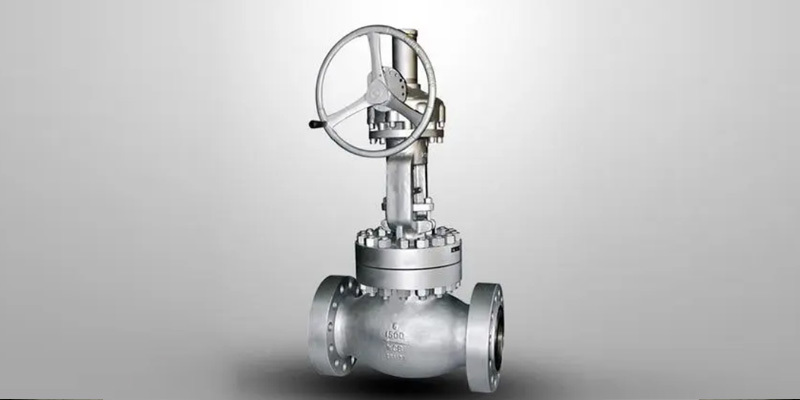
Globe Valves
Globe valves are known for their excellent throttling capabilities. Their design, which includes a spherical body and a movable plug, allows for precise flow control, making them ideal for applications requiring significant adjustments.
Ball Valves
Ball valves provide quick shut-off and are excellent for on/off control. Their spherical disc allows for minimal resistance to flow when fully open, ensuring efficient operation in pipelines.
Butterfly Valves
Butterfly valves feature a rotating disc that regulates flow. They are lightweight and compact, making them suitable for applications with limited space. Their quick operation and low pressure drop make them a popular choice in various industries.
Check Valves
Check valves prevent backflow in piping systems. They automatically close when fluid attempts to flow in the reverse direction, thereby protecting equipment and maintaining system integrity.
How Do Control Valves Work?
Control valves operate based on a control signal that determines the desired flow rate. When the signal is sent to the valve actuator, it adjusts the valve position accordingly. This adjustment alters the flow area, either increasing or decreasing the fluid flow. The precise control achieved by these valves is crucial for maintaining optimal operating conditions, leading to increased efficiency in industrial processes.
Applications of Control Valves in Various Industries
Control valves are utilized across numerous sectors, including:
1. **Oil and Gas**: In this industry, control valves regulate the flow of crude oil and natural gas, ensuring efficient transport and processing.
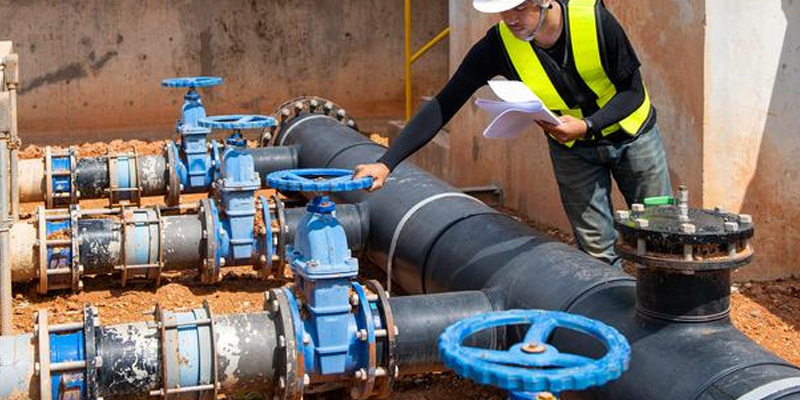
2. **Water Treatment**: Control valves manage the flow of water in treatment facilities, maintaining the necessary levels for purification processes.
3. **Chemical Processing**: In chemical plants, control valves ensure the correct mix of chemicals and maintain the desired reaction conditions.
4. **Power Generation**: Control valves play a key role in regulating steam and water flow in power plants, optimizing energy production.
5. **Pharmaceuticals**: In the pharmaceutical industry, precision is key. Control valves ensure that the production processes remain within strict parameters for safety and efficacy.
Advantages of Using High-Quality Control Valves
Investing in high-quality control valves brings several advantages:
1. **Improved Durability**: Quality materials decrease wear and tear, resulting in longer lifespans and lower replacement costs.
2. **Reduced Maintenance**: Reliable control valves require less frequent maintenance, allowing you to allocate resources more efficiently.
3. **Enhanced Performance**: High-quality valves provide better flow regulation, which can lead to energy savings and improved system performance.
4. **Increased Safety**: Well-manufactured control valves reduce the risk of leaks and failures, ensuring safer operations.
5. **Cost-Effectiveness**: While the initial investment may be higher, the long-term savings from reduced downtime and maintenance make quality valves a cost-effective choice.
Choosing the Right Control Valve for Your Needs
Selecting the appropriate control valve involves understanding your specific application requirements. Consider factors such as:
1. **Fluid Type**: Different materials are required for various fluid types, including corrosive substances.
2. **Pressure and Temperature**: Ensure the valve can handle the specific pressure and temperature conditions of your system.
3. **Flow Characteristics**: Evaluate the flow control needs, such as whether you require throttling or on/off capabilities.
4. **Size and Space Constraints**: Assess the available space and select a valve that fits your system design without compromising performance.
5. **Regulatory Compliance**: Ensure that the chosen valve meets industry standards and regulations to avoid legal and safety issues.
Maintenance and Care for Control Valves
Regular maintenance is crucial for ensuring the longevity and performance of control valves. Here are some best practices:
1. **Routine Inspections**: Conduct periodic inspections to identify signs of wear, leaks, or malfunctions early on.
2. **Cleaning**: Keep the valves free of debris and buildup that could hinder their operation.
3. **Lubrication**: Apply appropriate lubricants to moving parts as recommended by the manufacturer.
4. **Calibration**: Regularly calibrate control valves to ensure they respond accurately to control signals.
5. **Record Keeping**: Maintain detailed records of maintenance activities to track performance and schedule future inspections.
Conclusion: Enhancing Operational Efficiency Through Quality Control Valves
In conclusion, high-quality industrial control valves are integral to optimizing operational efficiency across various industries. By investing in reliable control valves, companies can reduce downtime, enhance productivity, and ensure safety within their operations. Understanding the different types of control valves, their applications, and the critical factors in choosing the right valve can lead to significant improvements in overall performance. Prioritize quality and maintenance to unlock the full potential of your industrial systems.
FAQs
1. What is the purpose of control valves in industrial applications?
Control valves regulate the flow, pressure, and temperature of fluids to maintain the desired operational parameters in industrial processes.
2. How do I know which type of control valve is best for my application?
Consider factors such as the fluid type, pressure, temperature, flow characteristics, and space constraints to determine the most suitable valve.
3. What are the benefits of using high-quality control valves?
High-quality control valves offer improved durability, reduced maintenance, enhanced performance, increased safety, and cost-effectiveness over time.
4. How often should control valves be maintained?
Regular inspections should be conducted as part of a routine maintenance schedule, typically every 6-12 months, depending on system usage and conditions.
5. Can control valves be repaired, or do they need to be replaced?
Many control valves can be repaired if they show signs of wear or malfunction, but some conditions may necessitate replacement for optimal performance.
By focusing on the importance of quality in industrial control valves and understanding their functionality, applications, and maintenance, organizations can significantly enhance their operational efficiencies and overall productivity.
Key words:
More news
Essential Installation Tips for Two-Piece Flanged Ball Valves in Industrial Settings
Understanding Cast Steel Floating Ball Valves: Key Features and Applications
Floating Ball Valve vs. Traditional Valves: What You Need to Know for Optimal Performance
Maximizing Reliability: How Customized Regulating Valves Enhance System Performance
Top Features to Look for in China’s Automatic Water Control Valves
Key Features to Look for in Quality Industrial Control Valves

National sales hotline 7*24 hours
Address: 801-805 Jingshan Road, Guannan Industrial Zone, jimei district, Xiamen City


