

-
General Purpose Valve Series Butterfly valve series Ball valve series Hydraulic control valve series Corrosion-resistant valve series Bellows valve series Regulating valve seriesThree eccentric butterfly valve series Two-way double eccentric metal hard seal butterfly valve Soft seal butterfly valve series Other Butterfly Valve SeriesHydraulic control valve series Multi-function water control valve Elastic Seated Gate Valve On-off electric valve
- All
- Product Management
- News
- Introduction
- Enterprise outlets
- FAQ
- Enterprise Video
- Enterprise Atlas
Unlocking Precision: The Role of Automatic Water Control Valves in Industrial Systems
Release time:
Nov 19,2025
Unlocking Precision: The Role of Automatic Water Control Valves in Industrial Systems
In the modern industrial landscape, efficiency and precision are paramount. Among the unsung heroes of industrial automation are **automatic water control valves**, which play a crucial role in managing fluid flow with accuracy and reliability. These valves are more than mere components; they are vital instruments that ensure optimal performance across various applications. In this article, we will explore the intricacies of automatic water control valves, their functionalities, benefits, and how they contribute to the overall efficacy of industrial systems.
Table of Contents
- Understanding Automatic Water Control Valves
- How Automatic Water Control Valves Work
- Applications of Automatic Water Control Valves in Industrial Systems
- Benefits of Using Automatic Water Control Valves
- Choosing the Right Automatic Water Control Valve
- Maintenance Best Practices for Automatic Water Control Valves
- Future Trends in Automatic Water Control Valve Technology
- Frequently Asked Questions
- Conclusion
Understanding Automatic Water Control Valves
Automatic water control valves are mechanical devices designed to regulate the flow and pressure of water in various industrial applications. These valves operate automatically, responding to changes in flow or pressure conditions without requiring manual intervention. They can be actuated by various means, including electric, hydraulic, or pneumatic systems. The primary function of these valves is to maintain desired flow rates and pressure levels, ensuring that industrial processes run smoothly and efficiently.
Types of Automatic Water Control Valves
There are several types of automatic water control valves, each designed for specific applications:
- Ball Valves: These valves use a spherical disc to control flow. They offer quick shut-off capabilities and are ideal for on/off applications.
- Gate Valves: Best suited for applications requiring minimal pressure drop, gate valves are primarily used for isolation purposes.
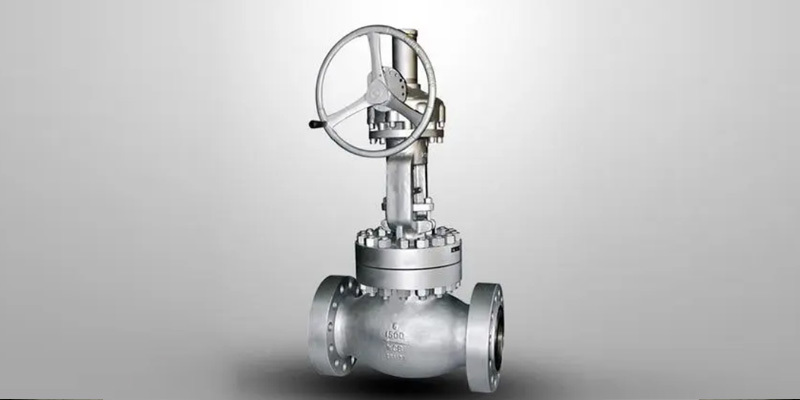
- Globe Valves: These are used for throttling and flow regulation, providing excellent control over fluid flow.
- Check Valves: These prevent backflow in piping systems, ensuring that water flows in one direction.
How Automatic Water Control Valves Work
Automatic water control valves function through a series of mechanical and electronic components designed to respond to specific conditions. The process typically involves:
Actuation Mechanisms
The actuation mechanism is central to the operation of automatic water control valves. This can include:
- Electric Actuators: These devices use electrical energy to open or close the valve, offering precise control.
- Pneumatic Actuators: Utilizing compressed air, these actuators provide fast and efficient valve control.
- Hydraulic Actuators: These operate using hydraulic fluid, ideal for high-pressure applications.
Control Systems
Automatic water control valves are often integrated with sophisticated control systems that monitor and adjust valve positions based on real-time data. These systems can include:
- Flow Meters: Measuring the flow rate helps in adjusting the valve position accordingly.
- Pressure Sensors: These sensors monitor pressure levels and signal the actuator to adjust the valve when necessary.
- Temperature Sensors: Ensuring that water temperatures remain within acceptable ranges can also trigger valve adjustments.
Applications of Automatic Water Control Valves in Industrial Systems
The versatility of automatic water control valves makes them applicable in numerous industrial sectors, including:
Water Treatment Facilities
In water treatment plants, these valves regulate the flow of water through various treatment stages, ensuring that the processes remain balanced and efficient.
HVAC Systems
Automatic water control valves are crucial in heating, ventilation, and air conditioning systems, where they help maintain climate control by managing water flow through radiators and cooling towers.
Manufacturing Processes
In manufacturing, they control water supply for cooling, lubrication, and cleaning processes, enhancing overall productivity and product quality.
Agricultural Irrigation
In agriculture, these valves optimize irrigation by managing the distribution of water, ensuring crops receive the right amount of moisture while conserving resources.
Benefits of Using Automatic Water Control Valves
Utilizing automatic water control valves offers several advantages, making them an essential component in industrial systems:
Enhanced Efficiency
By automating flow control, these valves reduce waste and energy consumption, contributing to a more sustainable operation.
Improved Precision
Automatic water control valves provide precise control over flow and pressure, ensuring optimal operating conditions for various processes.
Reduced Labor Costs
Since these valves operate automatically, they minimize the need for manual monitoring and adjustments, leading to significant labor cost savings.
Increased Safety
Automatic systems reduce the risk of human error, enhancing safety in operations where precise flow control is critical.
Choosing the Right Automatic Water Control Valve
Selecting the appropriate automatic water control valve for a specific application requires careful consideration of several factors:
Flow Requirements
Understanding the flow rate and pressure requirements of your system is crucial. Different valves are designed to handle varying flow capacities, so ensure the selected valve can accommodate your needs.
Material Compatibility
The materials used in the valve must be compatible with the fluids being controlled to prevent corrosion and degradation over time.
Operating Environment
Consider the environmental conditions, such as temperature and pressure variations, which can impact the valve's performance and longevity.
Control System Integration
Ensure that the chosen valve can be seamlessly integrated into your existing control systems for optimal functionality.
Maintenance Best Practices for Automatic Water Control Valves
Regular maintenance is essential to ensure the longevity and reliability of automatic water control valves. Implementing best practices can help mitigate issues:
Routine Inspections
Conduct regular inspections to identify wear and tear, leaks, or any signs of malfunction that could affect performance.
Cleaning and Lubrication
Keeping valves clean and adequately lubricated can prevent clogging and ensure smooth operation, especially in systems dealing with particulate matter.
Calibration Checks
Regularly check the calibration of sensors and actuators to ensure they provide accurate and consistent readings for effective control.
Future Trends in Automatic Water Control Valve Technology
The field of automatic water control valves is continuously evolving. Emerging trends include:
Smart Technology Integration
As industries embrace the Internet of Things (IoT), the integration of smart technology into water control valves is becoming commonplace. This allows for real-time monitoring and analytics, enhancing decision-making processes.
Energy Efficiency Innovations
Future developments are likely to focus on creating more energy-efficient valves that minimize power consumption while maximizing performance.
Enhanced Materials
Advancements in materials science are leading to the development of valves that withstand harsher conditions and provide greater durability.
Frequently Asked Questions
1. What is the primary function of automatic water control valves?
The primary function is to regulate the flow and pressure of water automatically, ensuring optimal performance in various industrial applications.
2. How do I know which type of valve to choose for my system?
Consider factors such as flow requirements, material compatibility, operating environment, and how well it integrates with your control system.
3. What maintenance is required for automatic water control valves?
Regular inspections, cleaning, lubrication, and calibration checks are vital for maintaining their performance and longevity.
4. Can automatic water control valves be used in HVAC systems?
Yes, they are widely used in HVAC systems to manage water flow for heating and cooling applications.
5. What are the benefits of using automatic water control valves in industrial systems?
Benefits include enhanced efficiency, improved precision, reduced labor costs, and increased safety by minimizing human error.
Conclusion
Automatic water control valves are indispensable components in industrial systems, facilitating precise control of water flow and pressure. Their ability to enhance efficiency, reduce operational costs, and improve safety makes them a vital aspect of modern industrial operations. As technology continues to advance, the future of automatic water control valves promises even greater innovations, ensuring that industries can meet their demanding operational needs with precision and reliability. By understanding their functionalities and applications, businesses can leverage these valves to optimize their processes and achieve sustainable growth.
Key words:
More news
Essential Installation Tips for Two-Piece Flanged Ball Valves in Industrial Settings
Understanding Cast Steel Floating Ball Valves: Key Features and Applications
Floating Ball Valve vs. Traditional Valves: What You Need to Know for Optimal Performance
Maximizing Reliability: How Customized Regulating Valves Enhance System Performance
Top Features to Look for in China’s Automatic Water Control Valves
Key Features to Look for in Quality Industrial Control Valves

National sales hotline 7*24 hours
Address: 801-805 Jingshan Road, Guannan Industrial Zone, jimei district, Xiamen City


