

-
General Purpose Valve Series Butterfly valve series Ball valve series Hydraulic control valve series Corrosion-resistant valve series Bellows valve series Regulating valve seriesThree eccentric butterfly valve series Two-way double eccentric metal hard seal butterfly valve Soft seal butterfly valve series Other Butterfly Valve SeriesHydraulic control valve series Multi-function water control valve Elastic Seated Gate Valve On-off electric valve

- All
- Product Management
- News
- Introduction
- Enterprise outlets
- FAQ
- Enterprise Video
- Enterprise Atlas
Why Quality Industrial Control Valves Are Essential for Streamlined Processes
Release time:
Dec 25,2025
Why Quality Industrial Control Valves Are Essential for Streamlined Processes
Understanding Industrial Control Valves
Industrial control valves are critical components in a wide range of processes across various industries. They are used to regulate the flow of fluids or gases by varying the size of the flow passage, thus controlling variables such as pressure, temperature, and flow rate. The reliability and efficiency of these valves can significantly impact an entire manufacturing operation.
The Role of Control Valves in Industrial Processes
Control valves serve many functions, including:
1. **Flow Control**: Adjusting the flow rate of liquids or gases based on the requirements of a specific application.
2. **Pressure Regulation**: Maintaining optimal pressure levels to ensure safe operation and prevent system failures.
3. **Temperature Management**: Regulating temperatures within systems to promote efficiency and prevent overheating.
4. **Safety Mechanisms**: Ensuring that any abnormal conditions trigger a safety response to protect equipment and personnel.
Key Characteristics of Quality Control Valves
Quality industrial control valves exhibit several key characteristics that enhance their performance and reliability:
Material Selection
The materials used in manufacturing control valves significantly influence their durability and effectiveness. High-quality valves are typically made from corrosion-resistant materials such as stainless steel or special alloys that can withstand harsh conditions.
Precision Engineering
A well-engineered control valve ensures precise operation. Features such as tight shut-off capabilities and minimal leakage rates contribute to improved process control.
Actuation Mechanisms
The actuation mechanism—whether manual, pneumatic, or electric—determines how the valve responds to changes in the system. Quality valves offer reliable actuators that can quickly and accurately respond to control signals.
The Benefits of Using High-Quality Control Valves
Investing in quality industrial control valves yields numerous benefits that can enhance the overall efficiency of manufacturing processes.
Increased Operational Efficiency
Quality control valves optimize flow control, thereby reducing energy consumption and improving the efficiency of processes. This results in lower operational costs and increased productivity.
Enhanced Safety
Reliable control valves reduce the risk of system failures that can lead to hazardous situations. High-quality valves are designed to handle extreme conditions, ensuring safe operations.
Improved Process Consistency
Quality valves provide stable and consistent flow rates, leading to uniform product quality. This consistency is crucial for meeting industry standards and customer expectations.
Long-Term Cost Savings
Although quality control valves may come with a higher initial cost, their longevity and reduced maintenance needs result in substantial long-term savings. Quality valves require fewer replacements and repairs, making them a wise investment.
Choosing the Right Control Valve for Your Application
Selecting the right control valve involves considering multiple factors, including:
Application Requirements
Understand the specific requirements of your application, such as pressure ratings, temperature ranges, and fluid characteristics, to ensure that the chosen valve meets operational demands.
Valve Type
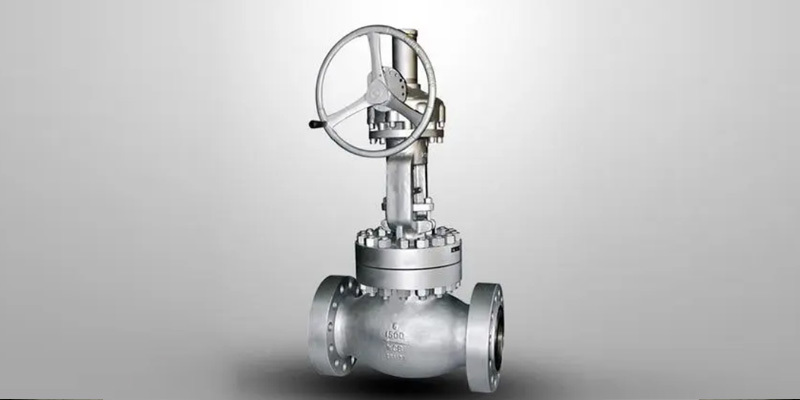
Different types of control valves—such as globe, ball, and butterfly valves—offer various advantages depending on the application. Select a valve type that aligns with your process needs.
Flow Characteristics
Consider the flow characteristics of the valve, including the valve’s capacity to handle fluctuations in pressure and flow rates. This characteristic is essential for ensuring optimal performance.
Maintenance and Support
Evaluate the availability of maintenance services and technical support for the valves you choose. Manufacturers that offer comprehensive support can enhance your overall experience and operational success.
Common Industries Utilizing Control Valves
Several industries rely heavily on quality control valves to ensure optimal operations:
Oil and Gas
In the oil and gas sector, control valves are used for drilling, refining, and distribution processes. Their reliability can significantly affect safety and efficiency.
Chemical Processing
Chemical plants depend on control valves to manage reactions and maintain safe operating conditions. Quality valves ensure precise control of corrosive and volatile substances.
Water Treatment
In water treatment facilities, control valves regulate the flow of chemicals and water, ensuring optimal treatment processes and compliance with safety standards.
Pharmaceuticals
The pharmaceutical industry relies on control valves to maintain sterile conditions and precise dosing in drug manufacturing processes, emphasizing the need for quality components.
FAQs About Industrial Control Valves
1. What factors should I consider when selecting a control valve?
When selecting a control valve, consider the application requirements, valve type, flow characteristics, and maintenance support.
2. How do quality control valves impact operational efficiency?
Quality control valves optimize flow control, reduce energy consumption, and enhance productivity, leading to overall operational efficiency.
3. What are the common types of control valves used in industries?
Common types of control valves include globe, ball, butterfly, and gate valves, each offering unique benefits based on application needs.
4. How can I ensure the longevity of my control valves?
To ensure the longevity of control valves, choose high-quality materials, perform regular maintenance, and operate them within their specified limits.
5. Are high-quality control valves worth the investment?
Yes, high-quality control valves may have a higher initial cost, but they offer long-term savings through reduced maintenance and fewer replacements.
Conclusion
Quality industrial control valves are essential for streamlined processes across various industries. Their ability to deliver precise control over flow, pressure, and temperature not only enhances operational efficiency but also ensures safety and reliability. By investing in high-quality control valves, businesses can improve process consistency, achieve long-term cost savings, and ultimately enhance their competitive edge in the market. For any industrial operation seeking to optimize its processes, prioritizing quality control valves is a decision that pays off in numerous ways.
Key words:
More news
Essential Installation Tips for Two-Piece Flanged Ball Valves in Industrial Settings
Understanding Cast Steel Floating Ball Valves: Key Features and Applications
Floating Ball Valve vs. Traditional Valves: What You Need to Know for Optimal Performance
Maximizing Reliability: How Customized Regulating Valves Enhance System Performance
Top Features to Look for in China’s Automatic Water Control Valves
Key Features to Look for in Quality Industrial Control Valves

National sales hotline 7*24 hours
Address: 801-805 Jingshan Road, Guannan Industrial Zone, jimei district, Xiamen City


