

-
General Purpose Valve Series Butterfly valve series Ball valve series Hydraulic control valve series Corrosion-resistant valve series Bellows valve series Regulating valve seriesThree eccentric butterfly valve series Two-way double eccentric metal hard seal butterfly valve Soft seal butterfly valve series Other Butterfly Valve SeriesHydraulic control valve series Multi-function water control valve Elastic Seated Gate Valve On-off electric valve
- All
- Product Management
- News
- Introduction
- Enterprise outlets
- FAQ
- Enterprise Video
- Enterprise Atlas
Understanding Cast Steel Floating Ball Valves: Key Features and Applications
Release time:
Jun 19,2026
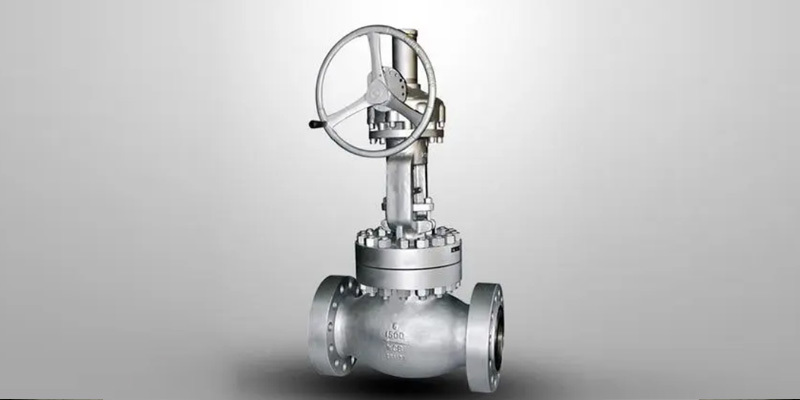
One of the primary advantages of cast steel floating ball valves is their robust construction. Cast steel, known for its strength and durability, provides excellent resistance to high pressures and temperatures. This makes these valves suitable for harsh environments and critical applications, including oil and gas, chemical processing, and water treatment. The ability to withstand significant stress without deforming is crucial in maintaining the integrity of the system in which they are installed.
The design of a cast steel floating ball valve typically includes a spherical ball that fits snugly in the valve seat. When the valve is opened, the ball rotates, allowing fluid to flow through. When closed, the ball presses against the seat, creating a tight seal that prevents leakage. This mechanism not only ensures reliable operation but also minimizes the risk of fluid contamination, an essential consideration in many industrial processes.
Additionally, the floating ball design contributes to a self-centering feature, which enhances the seal's effectiveness over time. This characteristic reduces wear and tear on the valve components, leading to a longer service life and reduced maintenance costs. Users can benefit from this reliability, as it translates to fewer interruptions in operations and lower overall expenses related to valve replacement or repairs.
Another important aspect of cast steel floating ball valves is their versatility. They can be found in various configurations, accommodating different pipe sizes and pressure ratings. This adaptability makes them suitable for diverse applications, from simple on/off control to more complex systems requiring precise flow regulation. Industries often choose these valves for their ability to handle a wide range of fluids, including corrosive substances, thanks to the options for protective coatings or specific materials.
Moreover, ease of installation and operation is a significant benefit. Many cast steel floating ball valves come with standardized flange connections, simplifying the integration process into existing systems. Operators appreciate the straightforward design, which allows for quick adjustments and minimal downtime during maintenance.
In conclusion, cast steel floating ball valves represent a critical piece of technology in industrial settings, providing reliability, durability, and versatility. Understanding their features and applications can lead to better decision-making when it comes to fluid control systems in various sectors, ultimately enhancing operational effectiveness and safety. By selecting the right valve for specific needs, industries can ensure optimal performance and longevity in their systems.
Key words:
More news
Essential Installation Tips for Two-Piece Flanged Ball Valves in Industrial Settings
Understanding Cast Steel Floating Ball Valves: Key Features and Applications
Floating Ball Valve vs. Traditional Valves: What You Need to Know for Optimal Performance
Maximizing Reliability: How Customized Regulating Valves Enhance System Performance
Top Features to Look for in China’s Automatic Water Control Valves
Key Features to Look for in Quality Industrial Control Valves

National sales hotline 7*24 hours
Address: 801-805 Jingshan Road, Guannan Industrial Zone, jimei district, Xiamen City


