

-
General Purpose Valve Series Butterfly valve series Ball valve series Hydraulic control valve series Corrosion-resistant valve series Bellows valve series Regulating valve seriesThree eccentric butterfly valve series Two-way double eccentric metal hard seal butterfly valve Soft seal butterfly valve series Other Butterfly Valve SeriesHydraulic control valve series Multi-function water control valve Elastic Seated Gate Valve On-off electric valve

- All
- Product Management
- News
- Introduction
- Enterprise outlets
- FAQ
- Enterprise Video
- Enterprise Atlas
Key Features to Look for in Quality Industrial Control Valves
Release time:
Jun 03,2026
Key Features to Look for in Quality Industrial Control Valves
Introduction to Industrial Control Valves
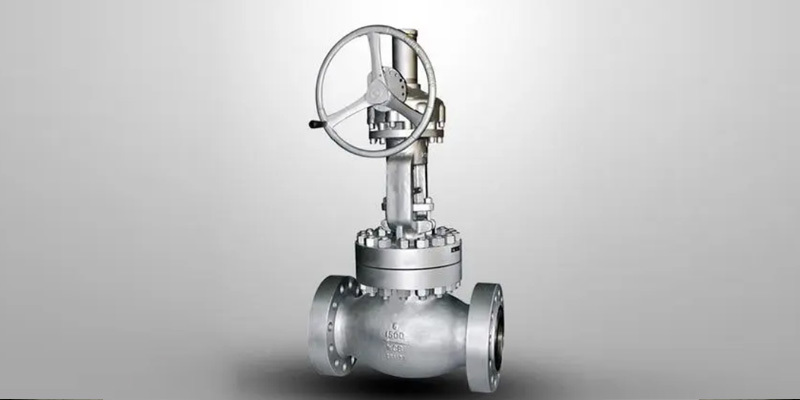
Industrial control valves play a crucial role in regulating the flow of fluids in various applications, ranging from oil and gas to water treatment and chemical processing. Understanding the **key features of quality industrial control valves** is essential for selecting the right valve for your specific needs. This article delves into the essential attributes that characterize high-quality industrial control valves, helping engineers and procurement professionals make informed decisions.
Table of Contents
- 1. Understanding Control Valves
- 2. Key Features of Quality Control Valves
- 2.1 Durability and Material Selection
- 2.2 Flow Characteristics
- 2.3 Valve Actuation Methods
- 2.4 Leakage Prevention Features
- 2.5 Sizing and Performance Metrics
- 3. Applications of Industrial Control Valves
- 4. Best Practices for Selecting Control Valves
- 5. FAQs
- 6. Conclusion
1. Understanding Control Valves
Control valves are essential components in industrial processes, functioning to regulate flow, pressure, temperature, or liquid levels. These valves can adjust the flow rate based on signals from control systems, making them vital for maintaining optimal operating conditions. Understanding their design and function is critical in ensuring effective process control and efficiency.
2. Key Features of Quality Control Valves
When assessing industrial control valves, several key features should be prioritized to ensure high performance, reliability, and suitability for the intended application.
2.1 Durability and Material Selection
The durability of a control valve greatly depends on the materials used in its construction. High-quality valves are often made from **stainless steel, brass, or special alloys** that can withstand harsh environments and corrosive substances. Choosing the right material not only extends the lifespan of the valve but also reduces the risk of failure due to environmental stressors. Look for valves with **protective coatings** or **corrosion-resistant features** to enhance their durability.
2.2 Flow Characteristics
The flow characteristic of a valve describes how the flow rate changes as the valve opens or closes. Quality control valves should exhibit predictable flow characteristics, such as **linear, equal percentage, or quick opening**. These characteristics affect how the valve responds to changes in system pressure and flow demands. Selecting a valve with the appropriate flow characteristic for your application is crucial for maintaining efficient process control.
2.3 Valve Actuation Methods
Control valves can be actuated using various methods, including **electric, pneumatic, or hydraulic** actuators. The choice of actuation method influences the valve's responsiveness and overall performance. Electric actuators provide precise control and are often preferred in automated systems, while pneumatic actuators are known for their speed and reliability. Evaluate the actuation needs based on the specific application to ensure optimal performance.
2.4 Leakage Prevention Features
Leakage in control valves can lead to significant operational inefficiencies and safety hazards. Quality control valves are designed with **leakage prevention features** such as **double-seated designs, soft-seated trims, and effective sealing mechanisms**. Ensuring that the chosen valve meets industry standards for leakage is vital for maintaining system integrity and performance.
2.5 Sizing and Performance Metrics
Proper sizing of control valves is essential for optimal performance. An undersized valve may lead to excessive pressure drops, while an oversized valve can cause poor control and inefficiencies. Look for valves that provide **performance metrics**, such as **flow coefficients (Cv)**, to aid in the selection process. Accurate sizing ensures that the valve operates effectively within the system's flow requirements.
3. Applications of Industrial Control Valves
Industrial control valves are utilized across various sectors, including:
- **Oil and Gas**: Managing the flow and pressure of oil and gas products.
- **Water Treatment**: Regulating water flow and chemical dosing in treatment plants.
- **Chemical Processing**: Controlling various chemical reactions and processes.
- **Pharmaceuticals**: Ensuring precise control over ingredients and processes.
Understanding the specific application requirements can significantly influence the selection of the right control valve.
4. Best Practices for Selecting Control Valves
Selecting the right industrial control valve involves several best practices:
- **Evaluate System Requirements**: Understand the specific requirements of your application, including flow rate, pressure, and temperature.
- **Consult with Manufacturers**: Engage with valve manufacturers to gain insights into their products and recommendations based on your needs.
- **Consider Maintenance Needs**: Choose valves that are easy to maintain, ensuring longevity and reliability in operation.
- **Review Industry Standards**: Familiarize yourself with industry standards and regulations that may affect valve selection.
Following these best practices can aid in the selection process and ensure optimal performance for your operations.
5. FAQs
What is the difference between a control valve and a stop valve?
Control valves are designed to regulate the flow and pressure within a system, while stop valves are primarily used to block flow completely.
How do I determine the right size for my control valve?
Sizing can be determined using flow coefficients (Cv) and considering the system's flow requirements and pressure drop.
What materials are best for corrosive environments?
Stainless steel and specialized alloys are ideal for corrosive environments, as they offer enhanced durability and resistance to wear.
How often should control valves be inspected?
Regular inspections are recommended based on manufacturer guidelines, typically every 6 to 12 months, depending on application conditions.
Can control valves be automated?
Yes, many control valves can be equipped with electric, pneumatic, or hydraulic actuators for automated operation.
6. Conclusion
Choosing the right industrial control valve is essential for ensuring efficient and safe operations across various applications. By understanding the key features such as material selection, flow characteristics, actuation methods, leakage prevention, and proper sizing, professionals can make informed decisions that enhance productivity and reliability in their processes. Investing in quality control valves ultimately contributes to the long-term success of industrial operations.
Key words:
More news
Essential Installation Tips for Two-Piece Flanged Ball Valves in Industrial Settings
Understanding Cast Steel Floating Ball Valves: Key Features and Applications
Floating Ball Valve vs. Traditional Valves: What You Need to Know for Optimal Performance
Maximizing Reliability: How Customized Regulating Valves Enhance System Performance
Top Features to Look for in China’s Automatic Water Control Valves
Key Features to Look for in Quality Industrial Control Valves

National sales hotline 7*24 hours
Address: 801-805 Jingshan Road, Guannan Industrial Zone, jimei district, Xiamen City


