

-
General Purpose Valve Series Butterfly valve series Ball valve series Hydraulic control valve series Corrosion-resistant valve series Bellows valve series Regulating valve seriesThree eccentric butterfly valve series Two-way double eccentric metal hard seal butterfly valve Soft seal butterfly valve series Other Butterfly Valve SeriesHydraulic control valve series Multi-function water control valve Elastic Seated Gate Valve On-off electric valve

- All
- Product Management
- News
- Introduction
- Enterprise outlets
- FAQ
- Enterprise Video
- Enterprise Atlas
Customized Regulating Valves: Tailoring Solutions for Optimal Flow Control
Release time:
Jan 02,2026
Customized Regulating Valves: Tailoring Solutions for Optimal Flow Control
In the realm of industrial equipment, **regulating valves** play an indispensable role in managing flow rates, pressure levels, and overall system efficiency. As industries evolve, so do the demands placed on these components. Customizing regulating valves is no longer a luxury; it is a necessity for businesses aiming to enhance their operational efficiency and reliability. In this article, we will delve into the intricacies of **customized regulating valves**, their benefits, design considerations, and applications in various sectors.
Table of Contents
- Understanding Regulating Valves
- The Importance of Customization in Regulating Valves
- Design Considerations for Customized Valves
- Materials and Manufacturing Techniques
- Applications of Custom Regulating Valves
- Benefits of Customized Regulating Valves
- Trends in Regulating Valve Technology
- Frequently Asked Questions
Understanding Regulating Valves
Regulating valves are essential components that manage the flow of liquids and gases within industrial systems. These valves adjust flow rates based on specific demands, ensuring systems operate efficiently. By controlling pressure and flow, regulating valves enhance **process stability** and improve overall system performance. Their design and functionality can vary significantly based on the application and the medium being regulated.
Types of Regulating Valves
There are several types of regulating valves, each serving unique purposes:
- Control Valves: These valves adjust flow based on input signals from sensors and controllers.
- Pressure Relief Valves: Designed to protect systems from overpressure by releasing excess fluid.
- Flow Control Valves: Regulate the flow rate to maintain desired levels within systems.
The Importance of Customization in Regulating Valves
In today’s fast-paced industrial environment, one-size-fits-all solutions often fall short. Customized regulating valves allow businesses to tailor their flow control systems to meet specific needs and operational challenges. The importance of customization can be highlighted through several key aspects:
Meeting Specific Operational Requirements
Every industrial application presents unique challenges. Customized valves can be designed to suit specific temperature, pressure, and flow rate requirements, ensuring optimal performance.
Enhancing System Efficiency
By accurately managing flow and pressure, customized regulating valves minimize energy consumption, reducing operational costs. Efficient systems are paramount for maintaining profitability in competitive markets.
Improving Reliability and Safety
Customized valves are engineered with the specific risks of an operation in mind, enhancing overall system reliability and safety. This minimizes downtime and the potential for accidents, leading to a more secure working environment.
Design Considerations for Customized Valves
The design of customized regulating valves requires a comprehensive understanding of the application, operating conditions, and specific requirements. Several critical factors must be considered during the design process:
Flow Characteristics
Understanding the flow characteristics of the medium being regulated is crucial. Factors such as viscosity, density, and phase (liquid or gas) play a significant role in determining the appropriate valve design.
Pressure and Temperature Constraints
Valves must be designed to withstand specific pressure and temperature ranges. Using materials that can endure the operational extremes is vital for ensuring long-term performance.
Actuation Methods
Different applications may require various actuation methods, including electric, pneumatic, or hydraulic actuators. Selecting the right actuation method is essential for achieving precise control.
Materials and Manufacturing Techniques
The choice of materials significantly impacts the performance and longevity of customized regulating valves. Common materials include:
- Stainless Steel: Corrosion-resistant and suitable for a wide range of applications.
- Bronze: Excellent for marine and chemical applications due to its resistance to corrosion.
- Plastic Composites: Ideal for light-duty applications and corrosive environments.
Modern manufacturing techniques, such as **3D printing** and **CNC machining**, allow for precision in designing complex valve geometries that enhance flow characteristics and control capabilities.
Applications of Custom Regulating Valves
Customized regulating valves find applications across various industries, including:
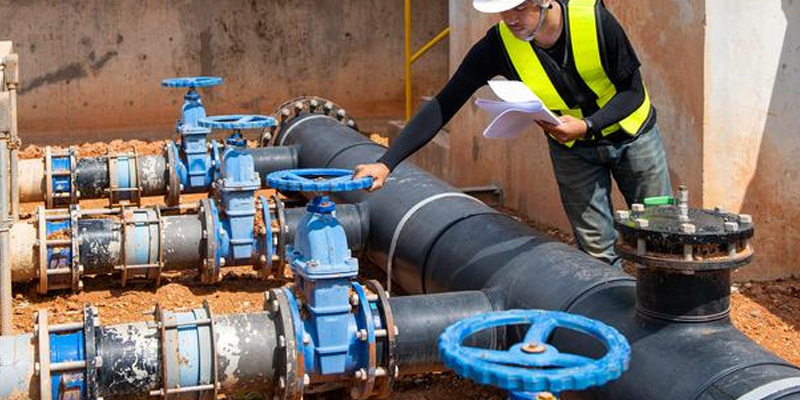
Water and Wastewater Management
In water treatment plants, customized valves help regulate flow rates and pressure to ensure efficient operation and compliance with environmental standards.
Oil and Gas Industry
In this sector, regulating valves control the flow of hydrocarbons, ensuring safe and efficient operations in drilling, refining, and transportation.
Pharmaceutical Manufacturing
In pharmaceuticals, precision is critical. Customized valves ensure the accurate flow of materials, maintaining stringent quality and safety standards.
Benefits of Customized Regulating Valves
The advantages of implementing customized regulating valves are multifaceted, offering significant value to industrial operations. Here are some key benefits:
Improved Process Control
Customized valves allow for precise control over flow rates and pressure, resulting in enhanced process stability and efficiency.
Reduced Maintenance Costs
By selecting the right materials and designs, businesses can reduce wear and tear on their systems, leading to lower maintenance expenses and increased uptime.
Enhanced Energy Efficiency
Efficient flow management translates to lower energy consumption, making customized regulating valves a sustainable choice for modern industries.
Trends in Regulating Valve Technology
As technology advances, so too does the landscape of regulating valve design and functionality. Key trends include:
Smart Valves
Integrating IoT technology into regulating valves allows for real-time monitoring and control, providing valuable data for optimizing system performance.
Increased Automation
Automation in regulating valve systems enhances operational efficiency and reduces the need for manual intervention, leading to faster response times and improved accuracy.
Frequently Asked Questions
1. What are customized regulating valves?
Customized regulating valves are tailored solutions designed to meet specific flow control needs based on individual operational requirements.
2. Why is customization important for regulating valves?
Customization ensures that valves meet unique operational challenges, enhancing efficiency, reliability, and safety in industrial applications.
3. What materials are commonly used for customized regulating valves?
Common materials include stainless steel, bronze, and plastic composites, selected based on the application’s requirements.
4. What applications benefit from customized regulating valves?
Industries such as water management, oil and gas, and pharmaceuticals frequently utilize customized regulating valves for enhanced performance and compliance.
5. How do smart valves improve efficiency?
Smart valves utilize IoT technology for real-time monitoring and data analytics, allowing for optimized flow control and process management.
Conclusion
Customized regulating valves are vital components in the continuous pursuit of efficiency and reliability in industrial processes. By tailoring solutions to meet specific operational needs, industries can achieve improved flow control, enhanced safety, and reduced operational costs. As technology advances, embracing innovations such as smart valves and automation will further enhance the role of customized regulating valves in optimizing system performance. To thrive in a competitive landscape, investing in tailor-made solutions for flow control is not just advantageous; it is essential.
Key words:
More news
Essential Installation Tips for Two-Piece Flanged Ball Valves in Industrial Settings
Understanding Cast Steel Floating Ball Valves: Key Features and Applications
Floating Ball Valve vs. Traditional Valves: What You Need to Know for Optimal Performance
Maximizing Reliability: How Customized Regulating Valves Enhance System Performance
Top Features to Look for in China’s Automatic Water Control Valves
Key Features to Look for in Quality Industrial Control Valves

National sales hotline 7*24 hours
Address: 801-805 Jingshan Road, Guannan Industrial Zone, jimei district, Xiamen City


