

-
General Purpose Valve Series Butterfly valve series Ball valve series Hydraulic control valve series Corrosion-resistant valve series Bellows valve series Regulating valve seriesThree eccentric butterfly valve series Two-way double eccentric metal hard seal butterfly valve Soft seal butterfly valve series Other Butterfly Valve SeriesHydraulic control valve series Multi-function water control valve Elastic Seated Gate Valve On-off electric valve

- All
- Product Management
- News
- Introduction
- Enterprise outlets
- FAQ
- Enterprise Video
- Enterprise Atlas
Exploring Innovative Solutions: Types of Bellows Valves You Should Consider
Release time:
Jan 22,2026
Exploring Innovative Solutions: Types of Bellows Valves You Should Consider
Table of Contents
- 1. Introduction to Bellows Valves
- 2. What Are Bellows Valves?
- 3. Benefits of Bellows Valves
- 4. Types of Bellows Valves
- 5. Applications of Bellows Valves
- 6. How to Choose the Right Bellows Valve
- 7. Maintenance of Bellows Valves
- 8. Common Issues and Solutions
- 9. FAQs About Bellows Valves
- 10. Conclusion
1. Introduction to Bellows Valves
Bellows valves play a crucial role in fluid control systems across various industries. As technology advances, the demand for more reliable and efficient solutions continues to grow. This article aims to shed light on the innovative types of bellows valves available, focusing on their unique characteristics and applications.
2. What Are Bellows Valves?
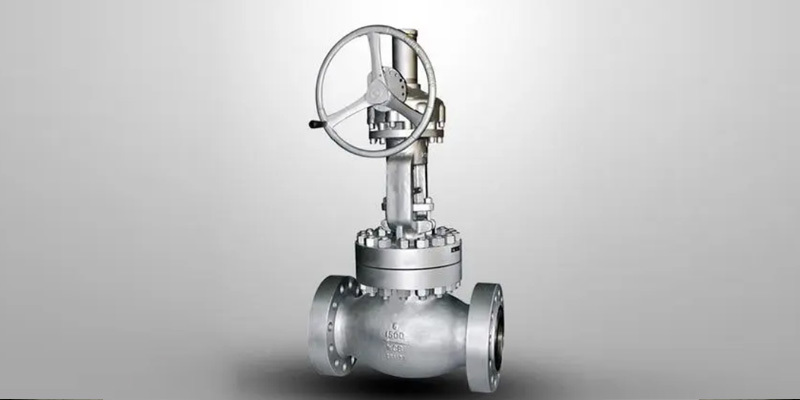
Bellows valves are specialized valves that utilize a flexible, sealed bellows component to control fluid flow. Unlike traditional valves, bellows valves provide a leak-proof seal, ensuring the safe containment of hazardous materials. Their design allows for precise control over a variety of substances, making them an ideal choice for chemical processing, pharmaceuticals, and other critical applications.
3. Benefits of Bellows Valves
Bellows valves offer several distinct advantages over traditional valve designs:
3.1 Enhanced Leak Protection
Due to their unique construction, bellows valves are less prone to leaks, which is especially critical when dealing with hazardous materials.
3.2 High Durability
With their robust design, bellows valves can withstand extreme temperatures and pressures, ensuring long-lasting performance in demanding environments.
3.3 Precise Control
Bellows valves provide accurate flow control, which is essential for applications requiring specific fluid handling.
3.4 Low Maintenance Requirements
The sealed nature of bellows valves reduces the need for frequent maintenance, allowing for more efficient operation in industrial settings.
4. Types of Bellows Valves
When considering bellows valves, it is essential to understand the various types available. Each type offers unique features suited for specific applications.
4.1 Metal Bellows Valves
Metal bellows valves are constructed from materials such as stainless steel, providing exceptional strength and resistance to corrosion. These valves are ideal for high-pressure applications and environments where chemical resistance is critical.
4.2 Rubber Bellows Valves
Rubber bellows valves are often used in less demanding applications where flexibility and cost-effectiveness are priorities. They can handle moderate pressures and are suitable for various fluids, including water and oils.
4.3 PTFE Bellows Valves
PTFE (Polytetrafluoroethylene) bellows valves offer superior chemical resistance, making them an excellent choice for highly corrosive substances. Their low friction properties ensure smooth operation, enhancing process efficiency.
5. Applications of Bellows Valves
Bellows valves are utilized in a wide range of industries, including:
5.1 Chemical Processing
In chemical processing plants, bellows valves are crucial for safely managing corrosive substances and ensuring leak-free operation.
5.2 Pharmaceutical Manufacturing
The pharmaceutical industry relies on bellows valves to handle sensitive materials without risk of contamination.
5.3 Food and Beverage Industry
In food processing, maintaining hygienic conditions is vital. Bellows valves meet these requirements by providing a sanitized solution for fluid handling.
5.4 Oil and Gas
The oil and gas sector utilizes bellows valves for their durability and ability to function in extreme conditions, ensuring the safe transport of fuels.
6. How to Choose the Right Bellows Valve
Selecting the appropriate bellows valve involves considering several factors:
6.1 Application Requirements
Evaluate the specific requirements of your application, including temperature, pressure, and the type of fluid being handled.
6.2 Material Compatibility
Ensure that the valve material is compatible with the fluid to prevent corrosion and degradation.
6.3 Size and Connection Type
Choose the correct size and connection type to ensure a proper fit within your existing system.
6.4 Cost Considerations
While quality is paramount, it is essential to balance performance and cost to find the most effective solution for your needs.
7. Maintenance of Bellows Valves
Proper maintenance is crucial for the longevity and performance of bellows valves:
7.1 Regular Inspections
Conduct regular inspections to identify any signs of wear or damage that may compromise the valve's integrity.
7.2 Cleaning
Ensure that the valves are cleaned appropriately, especially in industries where contamination is a concern.
7.3 Replacement of Worn Parts
If any components show signs of degradation, replace them promptly to prevent further issues.
8. Common Issues and Solutions
Despite their durability, bellows valves can face common issues:
8.1 Leakage
If a leak occurs, check for proper installation and wear on the bellows. Replacement may be necessary.
8.2 Difficulty in Operation
This can be caused by debris buildup or wear. Regular cleaning and maintenance will mitigate this issue.
8.3 Corrosion
Ensure that the selected material matches the fluid's chemical properties to avoid corrosion-related failures.
9. FAQs About Bellows Valves
9.1 What is the primary function of a bellows valve?
The primary function of a bellows valve is to control fluid flow while providing a leak-proof seal, especially in applications involving hazardous materials.
9.2 How do I determine the right type of bellows valve for my application?
Consider factors like fluid type, temperature, pressure, and compatibility with existing systems to choose the appropriate bellows valve.
9.3 Can bellows valves be used in high-temperature applications?
Yes, certain types of bellows valves, particularly metal bellows valves, are designed for high-temperature applications.
9.4 Are bellows valves easy to maintain?
Yes, bellows valves have low maintenance requirements, but regular inspections and cleaning are essential to ensure optimal performance.
9.5 What industries commonly use bellows valves?
Industries such as chemical processing, pharmaceuticals, food and beverage, and oil and gas commonly utilize bellows valves for their durability and reliability.
10. Conclusion
In conclusion, bellows valves represent a significant advancement in fluid control technology, offering innovative solutions that address the challenges faced in various industries. By understanding the different types of bellows valves, their applications, and maintenance needs, professionals can make informed decisions that enhance operational efficiency and safety. As industries continue to evolve, the importance of reliable and innovative valve solutions will only grow, making bellows valves an essential component of modern fluid handling systems.
Key words:
More news
Essential Installation Tips for Two-Piece Flanged Ball Valves in Industrial Settings
Understanding Cast Steel Floating Ball Valves: Key Features and Applications
Floating Ball Valve vs. Traditional Valves: What You Need to Know for Optimal Performance
Maximizing Reliability: How Customized Regulating Valves Enhance System Performance
Top Features to Look for in China’s Automatic Water Control Valves
Key Features to Look for in Quality Industrial Control Valves

National sales hotline 7*24 hours
Address: 801-805 Jingshan Road, Guannan Industrial Zone, jimei district, Xiamen City


