

-
General Purpose Valve Series Butterfly valve series Ball valve series Hydraulic control valve series Corrosion-resistant valve series Bellows valve series Regulating valve seriesThree eccentric butterfly valve series Two-way double eccentric metal hard seal butterfly valve Soft seal butterfly valve series Other Butterfly Valve SeriesHydraulic control valve series Multi-function water control valve Elastic Seated Gate Valve On-off electric valve

- All
- Product Management
- News
- Introduction
- Enterprise outlets
- FAQ
- Enterprise Video
- Enterprise Atlas
Maximize Performance: Choosing Quality Industrial Control Valves for Your Systems
Release time:
Feb 03,2026
Maximize Performance: Choosing Quality Industrial Control Valves for Your Systems
Table of Contents
- 1. Introduction to Industrial Control Valves
- 2. Understanding Industrial Control Valves
- 3. The Importance of Choosing Quality Control Valves
- 4. Types of Industrial Control Valves
- 5. Key Factors to Consider When Selecting Control Valves
- 5.1 Application Requirements
- 5.2 Material Selection
- 5.3 Valve Design and Configuration
- 5.4 Actuation Type
- 5.5 Flow Characteristics
- 6. Quality Certifications and Standards
- 7. Expert Tips for Selecting Control Valves
- 8. Common FAQs About Industrial Control Valves
- 9. Conclusion
1. Introduction to Industrial Control Valves
In the realm of industrial operations, control valves serve as the unsung heroes of fluid control systems. These essential components play a critical role in regulating the flow of liquids and gases, ensuring optimal performance across various applications. Selecting the right industrial control valve can significantly impact system efficiency, reliability, and safety.
This article aims to guide you in making informed decisions when it comes to choosing quality industrial control valves for your systems, maximizing their performance, and minimizing potential operational setbacks.
2. Understanding Industrial Control Valves
Control valves function as mechanical devices that manage fluid flow by varying the size of the flow passage. They are equipped with a mechanism that can either open, close, or partially obstruct the flow of fluid, thereby controlling various parameters such as pressure, temperature, and flow rate. The precise operation of these valves is crucial for maintaining system stability and efficiency.
Control valves can be found in diverse industries, including oil and gas, water treatment, chemical processing, and power generation. Each application demands unique valve characteristics, which makes understanding their functionality fundamental to optimizing system performance.
3. The Importance of Choosing Quality Control Valves
Investing in quality industrial control valves is critical for several reasons:
1. **Reliability**: Quality valves are built to withstand harsh operating conditions and provide consistent performance over time.
2. **Efficiency**: High-quality valves ensure optimal flow regulation, reducing energy consumption and minimizing waste.
3. **Safety**: Reliable valves reduce the risk of leaks and system failures, protecting both personnel and equipment.
4. **Longevity**: Well-constructed valves have a longer service life, resulting in lower maintenance costs and fewer replacements.
In contrast, subpar valves can lead to operational inefficiencies, increased downtime, and costly repairs. Prioritizing quality in your valve selection process is paramount for achieving long-term success.
4. Types of Industrial Control Valves
Understanding the various types of industrial control valves is essential for making the right choice for your specific application. The most common types include:
4.1 Globe Valves
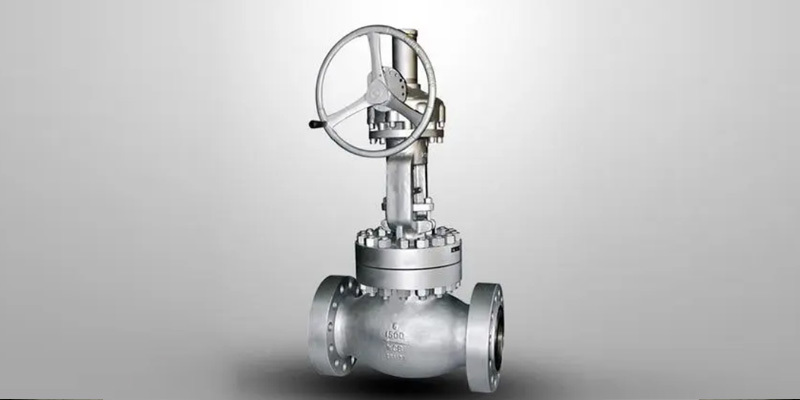
Globe valves are known for their excellent throttling capabilities and are widely used in applications requiring precise flow control. Their design features a spherical body and a movable disk that can adjust the flow passage effectively.
4.2 Ball Valves
Ball valves offer quick and reliable shut-off capabilities, making them ideal for applications where rapid flow interruption is required. They consist of a hollow ball that rotates within a valve body, allowing for smooth flow control.
4.3 Butterfly Valves
Butterfly valves are lightweight and compact, suitable for large volume flow applications. They utilize a rotating disc to regulate flow, making them an efficient choice for various industrial uses.
4.4 Check Valves
Check valves prevent backflow in systems and are essential for maintaining pressure differential. They allow flow in one direction while automatically closing to prevent reverse flow.
5. Key Factors to Consider When Selecting Control Valves
When it comes to selecting industrial control valves, several key factors deserve careful consideration:
5.1 Application Requirements
Understanding the specific requirements of your application is crucial. Consider factors such as the type of fluid, temperature, pressure, and flow rates. Each application may demand a different type of valve for optimal performance.
5.2 Material Selection
The material of the control valve can significantly influence its performance and durability. Common materials include stainless steel, brass, and plastic. Choose a material that can withstand the corrosiveness and temperature of the fluid to ensure longevity.
5.3 Valve Design and Configuration
The design and configuration of the valve play a vital role in its operation. Factors such as size, port configuration, and flow path affect how well a valve can control flow and pressure.
5.4 Actuation Type
Control valves can be manually operated or automated using actuators. Actuated valves offer remote control capabilities and can improve response times in process control applications. Evaluate the actuation type that best aligns with your operational needs.
5.5 Flow Characteristics
The flow characteristics of a valve determine its performance under various conditions. Consider whether you need linear or equal percentage flow characteristics, as this will impact how the valve responds to changing flow conditions.
6. Quality Certifications and Standards
When selecting industrial control valves, it’s essential to consider manufacturers that adhere to recognized quality certifications and standards. Look for valves that comply with ISO, ANSI, and API standards, as these certifications ensure reliability and performance.
Manufacturers with a proven track record of quality assurance are more likely to produce valves that meet the rigorous demands of industrial applications.
7. Expert Tips for Selecting Control Valves
To further assist you in your selection process, here are some expert tips:
1. **Consult with Industry Experts**: Engage with engineers or consultants experienced in valve selection to gain insights specific to your application.
2. **Conduct a Cost-Benefit Analysis**: Weigh the initial cost against the long-term benefits of investing in quality valves.
3. **Request Samples or Demonstrations**: Before making a purchase, evaluate samples or request demonstrations to assess performance.
4. **Evaluate Manufacturer Support**: Consider the level of technical support and after-sales service the manufacturer provides.
5. **Stay Informed on Technological Advances**: Keep abreast of new technologies and innovations in valve design that may enhance your system’s performance.
8. Common FAQs About Industrial Control Valves
What is the primary function of a control valve?
Control valves regulate fluid flow, pressure, and temperature within a system, ensuring optimal performance and stability.
How do I determine the right size of control valve for my application?
To determine the correct valve size, consider the flow rate, pressure drop, and the nature of the fluid. Consulting with valve sizing software or experts can also help.
What materials are best for corrosive fluids?
For corrosive fluids, stainless steel or specialized alloys are recommended due to their resistance to corrosion and wear.
What are the common failure modes for industrial control valves?
Common failure modes include leakage, actuator failure, and mechanical wear. Regular maintenance can help mitigate these issues.
How often should control valves be inspected or maintained?
The frequency of inspections and maintenance depends on the specific application, but generally, routine checks should occur at least annually, with more frequent checks for critical systems.
9. Conclusion
Choosing quality industrial control valves is paramount for maximizing performance in your systems. By understanding the types of valves, key selection factors, and expert recommendations, you can make informed decisions that enhance efficiency, reliability, and safety in your operations. Prioritize quality and stay proactive in your maintenance strategies to ensure your control valves contribute positively to your overall system performance.
Key words:
More news
Essential Installation Tips for Two-Piece Flanged Ball Valves in Industrial Settings
Understanding Cast Steel Floating Ball Valves: Key Features and Applications
Floating Ball Valve vs. Traditional Valves: What You Need to Know for Optimal Performance
Maximizing Reliability: How Customized Regulating Valves Enhance System Performance
Top Features to Look for in China’s Automatic Water Control Valves
Key Features to Look for in Quality Industrial Control Valves

National sales hotline 7*24 hours
Address: 801-805 Jingshan Road, Guannan Industrial Zone, jimei district, Xiamen City


