

-
General Purpose Valve Series Butterfly valve series Ball valve series Hydraulic control valve series Corrosion-resistant valve series Bellows valve series Regulating valve seriesThree eccentric butterfly valve series Two-way double eccentric metal hard seal butterfly valve Soft seal butterfly valve series Other Butterfly Valve SeriesHydraulic control valve series Multi-function water control valve Elastic Seated Gate Valve On-off electric valve

- All
- Product Management
- News
- Introduction
- Enterprise outlets
- FAQ
- Enterprise Video
- Enterprise Atlas
Why Your Industrial Setup Needs Customized Regulating Valves Now: Unleashing Efficiency and Precision in Operations
Release time:
Feb 11,2026
Why Your Industrial Setup Needs Customized Regulating Valves Now
The industrial landscape is becoming increasingly complex, with companies striving to optimize operations while ensuring safety and compliance. A crucial component in achieving these objectives is the effective management of flow control, which is where customized regulating valves come into play. In this article, we will explore why your industrial setup requires these specialized valves and how they can significantly enhance efficiency and precision in your operations.
The Importance of Regulating Valves in Industrial Applications
Regulating valves play a pivotal role in numerous industrial applications. They control the flow of fluids, gases, or steam, ensuring that processes run smoothly and efficiently. In industries ranging from oil and gas to pharmaceuticals, the need for precise control over flow rates and pressures cannot be overstated. Customized regulating valves offer tailored solutions that address specific operational requirements, enhancing overall system performance.
Understanding Customized Regulating Valves
Customized regulating valves are specifically designed to meet the unique demands of individual applications. Unlike standard valves, which may not fully accommodate the intricacies of certain processes, customized options are engineered with precision to optimize performance. This includes considerations such as material selection, size, and flow characteristics, tailored to the specific needs of your operation.
Key Benefits of Customized Regulating Valves
1. **Enhanced Efficiency**: Customized regulating valves ensure that flow rates and pressures are maintained at optimal levels, resulting in improved process efficiency. This translates to lower energy consumption and reduced operational costs.
2. **Improved Precision**: With tailored specifications, these valves provide accurate control over fluid dynamics, minimizing fluctuations that can lead to equipment wear or process inefficiencies.
3. **Increased Safety**: Customized solutions can be designed with safety features that are crucial for handling hazardous materials or operating under extreme conditions. This ensures compliance with industry regulations and enhances workplace safety.
4. **Longer Lifespan**: Selecting the right materials and specifications for your regulating valves can drastically improve their lifespan. Customized valves are built to withstand the specific demands of your application, reducing the frequency of replacements.
5. **Adaptability**: As industrial processes evolve, the ability to adapt quickly is essential. Customized regulating valves can be engineered to accommodate changes in processes or materials, offering flexibility that standard valves often lack.
Types of Customized Regulating Valves
Understanding the various types of customized regulating valves available is crucial for making an informed selection. Here are some common types found in industrial applications:
1. Globe Valves
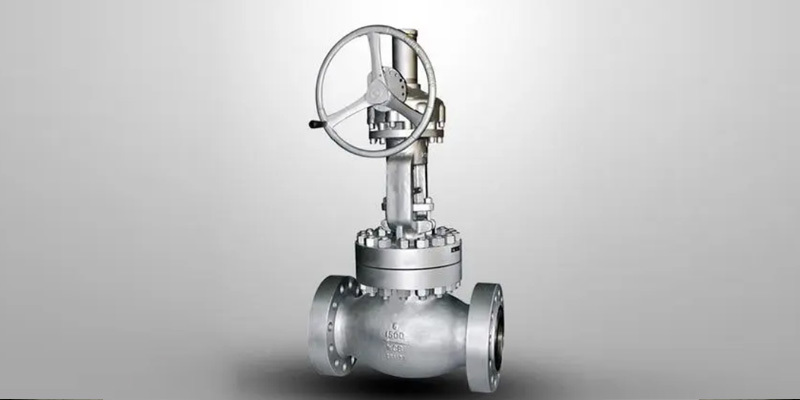
Globe valves are ideal for precise flow control. Their unique design allows for a variety of flow patterns, making them suitable for throttling applications. Businesses that require accurate control over flow rates often opt for customized globe valves.
2. Butterfly Valves
For larger applications requiring quick shut-off capabilities, customized butterfly valves are often employed. Their design allows for minimal pressure drop and swift operation, making them suitable for high-flow environments.
3. Ball Valves
Ball valves provide excellent sealing and are ideal for applications requiring tight shut-off. Customized options can be formulated to handle specific fluids or pressures, ensuring reliability and efficiency.
4. Control Valves
These valves automatically adjust based on signals from control systems, making them crucial for automated industrial setups. Customized control valves can be engineered to integrate seamlessly with your existing infrastructure.
Factors to Consider When Choosing Customized Regulating Valves
When selecting customized regulating valves for your industrial setup, several key factors should be taken into account:
1. Application Requirements
The first step in choosing the right valve is to thoroughly understand your application requirements. This includes the type of fluid being controlled, pressure, temperature, and flow characteristics. Customized valves can be tailored to meet these specifications.
2. Material Selection
The choice of materials is critical in ensuring valve longevity and performance. Depending on the fluids involved, materials must be resistant to corrosion, wear, and pressure fluctuations. Customized solutions can incorporate materials that best suit your operational environment.
3. Size and Configuration
The size and configuration of the valve must align with your system's design. Customized options can be developed to fit existing piping layouts, ensuring seamless integration into your industrial processes.
4. Regulatory Compliance
Different industries are subject to various regulations concerning safety and environmental standards. Customizing valves to meet these regulations is essential for compliance and operational safety.
5. Cost Considerations
While customized solutions may come at a higher initial investment, the long-term savings associated with efficiency improvements and reduced maintenance costs often justify the expense. Analyzing your budget in conjunction with potential savings is crucial.
Case Studies: Successful Implementation of Customized Regulating Valves
Real-life examples can illustrate the tangible benefits of customized regulating valves in industrial settings.
Case Study 1: Oil and Gas Industry
A major oil and gas producer faced challenges with flow control in one of its drilling operations. By implementing customized globe valves, they achieved a 15% increase in flow efficiency, reducing operational costs significantly while enhancing safety measures.
Case Study 2: Chemical Processing
In a chemical processing facility, fluctuating pressures were causing equipment failure. The introduction of customized control valves reduced pressure fluctuations by 30%, leading to improved process stability and safety compliance.
Case Study 3: Water Treatment Plants
A municipal water treatment plant required precise control over water flow rates. By integrating customized regulating valves, they improved water quality and enhanced operational efficiency, leading to a 20% reduction in energy costs.
FAQs About Customized Regulating Valves
1. What are the key advantages of using customized regulating valves over standard options?
Customized regulating valves offer tailored solutions that address specific operational needs, resulting in enhanced efficiency, improved precision, and longer lifespans.
2. How do I determine the right type of valve for my application?
Understanding your application requirements, including fluid type, pressure, and temperature, is crucial. Consulting with valve manufacturers can help identify the best options.
3. Are customized valves more expensive than standard valves?
While the initial cost may be higher, the long-term savings in efficiency and reduced maintenance often outweigh the upfront investment.
4. How can I ensure my customized valves comply with industry regulations?
Working with experienced manufacturers who understand your industry’s regulatory requirements is essential for compliance.
5. Can customized regulating valves be retrofitted into existing systems?
Yes, many customized valves can be designed to fit existing piping layouts, ensuring seamless integration into current systems.
Conclusion
In an era where efficiency and precision are paramount, the importance of customized regulating valves in industrial setups cannot be understated. These valves offer tailored solutions that improve flow control, enhance safety, and reduce operational costs. By investing in customized regulating valves, companies can not only optimize their processes but also adapt to the ever-evolving demands of their respective industries. Embracing these advanced solutions is not merely an option; it is a necessity for businesses aiming for sustained success in today's competitive landscape.
Key words:
More news
Essential Installation Tips for Two-Piece Flanged Ball Valves in Industrial Settings
Understanding Cast Steel Floating Ball Valves: Key Features and Applications
Floating Ball Valve vs. Traditional Valves: What You Need to Know for Optimal Performance
Maximizing Reliability: How Customized Regulating Valves Enhance System Performance
Top Features to Look for in China’s Automatic Water Control Valves
Key Features to Look for in Quality Industrial Control Valves

National sales hotline 7*24 hours
Address: 801-805 Jingshan Road, Guannan Industrial Zone, jimei district, Xiamen City


