

-
General Purpose Valve Series Butterfly valve series Ball valve series Hydraulic control valve series Corrosion-resistant valve series Bellows valve series Regulating valve seriesThree eccentric butterfly valve series Two-way double eccentric metal hard seal butterfly valve Soft seal butterfly valve series Other Butterfly Valve SeriesHydraulic control valve series Multi-function water control valve Elastic Seated Gate Valve On-off electric valve

- All
- Product Management
- News
- Introduction
- Enterprise outlets
- FAQ
- Enterprise Video
- Enterprise Atlas
How to Evaluate a Bellows Valve Supplier for Quality Assurance
Release time:
Mar 03,2026
How to Evaluate a Bellows Valve Supplier for Quality Assurance
In the industrial landscape, ensuring the quality of components like bellows valves is crucial for optimal performance and reliability. As organizations seek to streamline operations and enhance overall efficiency, selecting the right bellows valve supplier becomes paramount. This guide explores the vital criteria for evaluating a bellows valve supplier, empowering industries to make informed decisions for quality assurance.
Table of Contents
- Understanding Bellows Valves
- The Importance of Quality in Bellows Valves
- Key Criteria for Evaluating Suppliers
- Assessing Manufacturing Capabilities
- Evaluating Certifications and Industry Standards
- Reviewing Supplier Reputation and Customer Feedback
- Conducting Product Performance Tests
- Establishing Communication and Support
- Conclusion
- FAQs
Understanding Bellows Valves
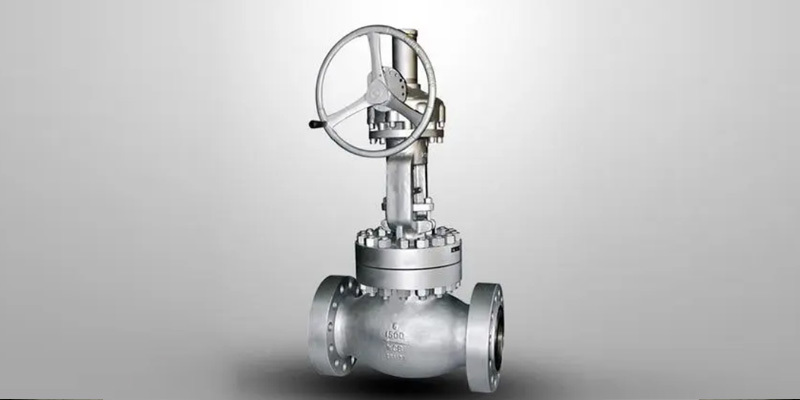
Bellows valves are essential components in various industrial applications, designed to provide reliable sealing and precise control over fluid flow. These valves utilize a flexible bellows element, which adapts to pressure changes while maintaining a secure seal. Their applications range from handling corrosive substances to high-temperature environments, making them indispensable in sectors such as chemical processing, oil and gas, and pharmaceuticals.
Types of Bellows Valves
There are several types of bellows valves, including:
- Globe Bellows Valves: Commonly used for flow regulation.
- Check Bellows Valves: Prevent backflow in piping systems.
- Isolation Bellows Valves: Provide a tight seal to prevent leakage.
Understanding these types is crucial for selecting the right valve for specific applications.
The Importance of Quality in Bellows Valves
Quality assurance in bellows valves directly impacts operational efficiency, safety, and longevity. Poorly manufactured valves can lead to leaks, equipment failure, and costly downtime. Thus, evaluating suppliers for their commitment to quality is not just beneficial but essential.
Consequences of Low-Quality Valves
Low-quality bellows valves can result in:
- Reduced operational efficiency.
- Increased maintenance costs.
- Potential safety hazards due to leaks or failures.
Key Criteria for Evaluating Suppliers
When selecting a bellows valve supplier, several critical criteria should be considered:
- Manufacturing Standards: Ensure the supplier adheres to relevant industry standards.
- Material Quality: Assess the quality of materials used in valve production.
- Product Range: Evaluate the variety of bellows valves offered.
Supplier Experience and Expertise
Experience in the industry often correlates with quality. Suppliers with a long-standing reputation are likely to understand market needs and technological advancements better.
Assessing Manufacturing Capabilities
Understanding a supplier's manufacturing capabilities is vital. This assessment can be performed through site visits, where you can observe equipment, processes, and workforce skills firsthand.
Technology and Innovation
Investigate whether the supplier uses modern technology and innovative practices in their manufacturing processes. Advanced machinery and automation can enhance precision and reduce defects.
Evaluating Certifications and Industry Standards
Certifications such as ISO 9001, ASME, and API indicate a supplier's adherence to quality management systems and standards. Verifying these certifications is a crucial step in evaluating a supplier’s commitment to quality assurance.
Relevance of Certifications
Each certification has specific relevance depending on your industry and the application of the bellows valves. For instance, API standards are vital for oil and gas sectors, while ISO standards apply broadly across industries.
Reviewing Supplier Reputation and Customer Feedback
Conducting thorough research on customer reviews and testimonials can provide insight into supplier reliability and service quality. Look for feedback on product performance, delivery times, and customer service interactions.
Case Studies and References
Request case studies or references from previous clients. This direct feedback can offer a clearer picture of the supplier's capabilities and reliability.
Conducting Product Performance Tests
Before finalizing your supplier choice, conducting performance tests on the bellows valves can validate claims regarding quality and reliability. These tests should mimic the actual operating conditions to ensure accurate results.
Testing Parameters
Key testing parameters may include:
- Pressure tolerance.
- Temperature resistance.
- Leakage testing.
Establishing Communication and Support
A reliable supplier should provide excellent communication and support. Assess their responsiveness, willingness to provide technical assistance, and overall customer service approach. A good supplier will prioritize customer needs and offer solutions promptly.
Long-Term Relationships
Building a long-term relationship with your supplier can lead to better pricing, priority service, and enhanced collaboration on future projects.
Conclusion
Evaluating a bellows valve supplier for quality assurance involves a comprehensive assessment of various factors, including manufacturing capabilities, certifications, reputation, and communication. By thoroughly investigating these elements, industries can ensure that they select a supplier who not only meets their needs but also upholds high standards of quality. The right supplier can make a significant difference in operational efficiency and long-term success, making this evaluation process crucial for any organization reliant on bellows valves.
FAQs
What is a bellows valve?
A bellows valve is a type of valve that uses a flexible bellows element for sealing and flow control, commonly used in various industrial applications.
Why is quality assurance important for bellows valves?
Quality assurance ensures the reliability and safety of bellows valves, preventing leaks and failures that could lead to downtime or safety hazards.
What certifications should I look for in a bellows valve supplier?
Look for certifications like ISO 9001, ASME, and API, which indicate adherence to quality management and industry standards.
How can I assess a supplier’s manufacturing capabilities?
You can assess a supplier's manufacturing capabilities through site visits, reviewing their technology, and understanding their production processes.
What should I consider when testing bellows valves?
Consider key parameters such as pressure tolerance, temperature resistance, and leakage testing to ensure the valves meet operational requirements.
Key words:
More news
Essential Installation Tips for Two-Piece Flanged Ball Valves in Industrial Settings
Understanding Cast Steel Floating Ball Valves: Key Features and Applications
Floating Ball Valve vs. Traditional Valves: What You Need to Know for Optimal Performance
Maximizing Reliability: How Customized Regulating Valves Enhance System Performance
Top Features to Look for in China’s Automatic Water Control Valves
Key Features to Look for in Quality Industrial Control Valves

National sales hotline 7*24 hours
Address: 801-805 Jingshan Road, Guannan Industrial Zone, jimei district, Xiamen City


