

-
General Purpose Valve Series Butterfly valve series Ball valve series Hydraulic control valve series Corrosion-resistant valve series Bellows valve series Regulating valve seriesThree eccentric butterfly valve series Two-way double eccentric metal hard seal butterfly valve Soft seal butterfly valve series Other Butterfly Valve SeriesHydraulic control valve series Multi-function water control valve Elastic Seated Gate Valve On-off electric valve

- All
- Product Management
- News
- Introduction
- Enterprise outlets
- FAQ
- Enterprise Video
- Enterprise Atlas
Understanding the Manufacturing Process of Globe Butterfly Valves: An In-Depth Guide
Release time:
Apr 16,2026
Understanding the Manufacturing Process of Globe Butterfly Valves
Table of Contents
- 1. Introduction to Globe Butterfly Valves
- 2. Importance of Globe Butterfly Valves in Industries
- 3. Choosing the Right Raw Materials for Manufacturing
- 4. Design Considerations for Globe Butterfly Valves
- 5. The Step-by-Step Manufacturing Process
- 6. Quality Control Measures in Manufacturing
- 7. Applications of Globe Butterfly Valves
- 8. The Future of Globe Butterfly Valves Manufacturing
- 9. Frequently Asked Questions
- 10. Conclusion
1. Introduction to Globe Butterfly Valves
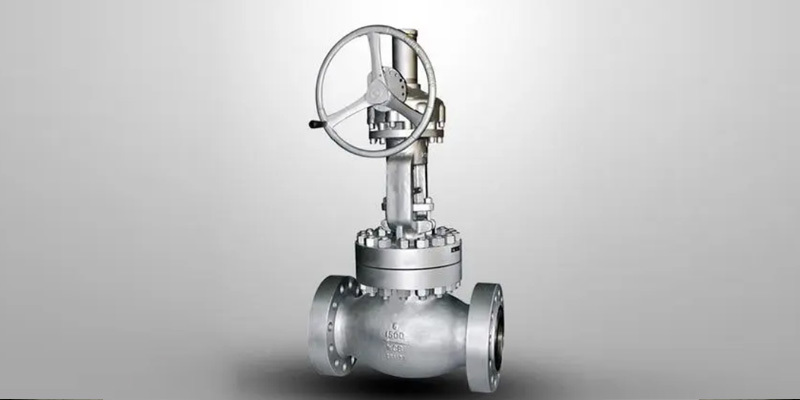
Globe butterfly valves are essential components in various industrial systems, particularly for controlling the flow of liquids and gases. Their unique design allows for efficient throttling and shut-off capabilities, making them a popular choice in a range of applications from water treatment plants to oil refineries. Understanding the manufacturing process of these valves is crucial for industry professionals, as it impacts both performance and reliability.
2. Importance of Globe Butterfly Valves in Industries
The importance of globe butterfly valves cannot be overstated. These valves play a critical role in managing fluid dynamics within pipelines and systems, ensuring optimal performance and safety. Their ability to regulate flow with precision means they are favored in applications where accuracy is paramount, such as in chemical processing and HVAC systems. The durability and efficiency of these valves directly influence operational costs and maintenance schedules, underscoring their significance in industrial settings.
3. Choosing the Right Raw Materials for Manufacturing
The first step in the manufacturing process of globe butterfly valves involves selecting high-quality raw materials. Common materials include:
- **Cast Iron**: Known for its strength and durability, cast iron is often used for larger valves.
- **Stainless Steel**: This material is resistant to corrosion and is ideal for valves used in harsh environments.
- **Bronze**: Offering excellent resistance to corrosion and wear, bronze is frequently utilized in marine applications.
Each material has its advantages and is chosen based on the specific requirements of the application, including temperature, pressure, and fluid type.
4. Design Considerations for Globe Butterfly Valves
The design of globe butterfly valves is pivotal to their performance. Key considerations include:
- **Flow Characteristics**: The design must facilitate smooth flow with minimal turbulence.
- **Seat Design**: Proper seat design ensures leak-proof sealing during operation.
- **Actuation Method**: The choice between manual, electric, or pneumatic actuators affects ease of use and efficiency.
Computational Fluid Dynamics (CFD) simulations are often utilized during the design phase to optimize flow and performance characteristics.
5. The Step-by-Step Manufacturing Process
The manufacturing of globe butterfly valves encompasses several critical steps, each contributing to the final product's quality and functionality.
5.1. Casting Techniques
Casting is one of the primary methods for shaping the body of the valve. The most common casting techniques include:
- **Sand Casting**: This traditional method is cost-effective and produces complex shapes.
- **Investment Casting**: Ideal for intricate designs, investment casting provides high accuracy and a smooth finish.
The choice of casting method depends on the production volume and complexity of the valve design.
5.2. Machining Processes
Post-casting, the valve components undergo machining processes to achieve precise dimensions and smooth surfaces. Key machining processes include:
- **CNC Machining**: Computer Numerical Control (CNC) technology allows for high precision in shaping and finishing components.
- **Drilling and Tapping**: Critical for preparing holes for bolts and fittings, ensuring proper assembly.
These machining processes enhance the valve's functionality and ensure it meets the specified tolerances.
5.3. Assembly Procedures
Once all components are machined, they move to the assembly stage. This phase involves:
- **Fitting the Disc and Shaft**: The disc is attached to the shaft, allowing for movement within the valve body.
- **Sealing Components**: Gaskets and seals are integrated to prevent leaks.
- **Quality Checks**: Each assembled valve undergoes rigorous testing to ensure it meets operational standards.
Effective assembly techniques are crucial for the longevity and performance of the valve.
6. Quality Control Measures in Manufacturing
Quality control is an integral part of the manufacturing process. It encompasses various stages, including:
- **Material Inspection**: Assessing raw materials for quality and compliance with specifications.
- **In-Process Inspection**: Regular checks during manufacturing ensure adherence to design standards.
- **Final Testing**: Each valve must pass pressure tests and leak tests to confirm its reliability before being shipped.
Implementing stringent quality control measures reduces the likelihood of failures and enhances customer satisfaction.
7. Applications of Globe Butterfly Valves
Globe butterfly valves find use across a diverse range of industries, including:
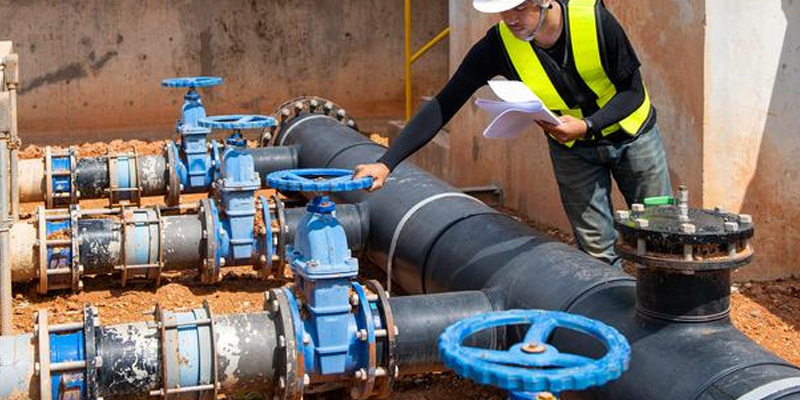
- **Water Treatment Plants**: Regulating flow in treatment processes to ensure safe drinking water.
- **Oil and Gas**: Controlling the flow of crude oil and natural gas in pipelines and refineries.
- **Chemical Processing**: Managing the flow of aggressive chemicals and materials.
Their versatility and reliability make them indispensable in modern industrial applications.
8. The Future of Globe Butterfly Valves Manufacturing
As industries evolve, the manufacturing process for globe butterfly valves is also expected to progress. Innovations such as smart valve technology, which incorporates IoT devices for remote monitoring and control, are on the horizon. Additionally, advancements in materials science may lead to the development of even more resilient and efficient valve designs. Staying abreast of these trends will be vital for manufacturers aiming to maintain a competitive edge.
9. Frequently Asked Questions
What are globe butterfly valves?
Globe butterfly valves are flow control devices used in piping systems to regulate the flow of liquids or gases.
What materials are commonly used in the manufacturing of globe butterfly valves?
Common materials include cast iron, stainless steel, and bronze, each chosen for specific applications based on their properties.
How does the design of a globe butterfly valve affect its performance?
The design impacts flow characteristics, sealing capabilities, and ease of operation, all crucial for effective performance.
What quality control measures are employed in the manufacturing process?
Quality control includes material inspection, in-process checks, and final testing to ensure compliance with industry standards.
Where are globe butterfly valves typically used?
They are used in various industries, including water treatment, oil and gas, and chemical processing.
10. Conclusion
Understanding the manufacturing process of globe butterfly valves provides valuable insights into their functionality and importance in industrial applications. From material selection to quality control, each step in the manufacturing process plays a vital role in ensuring these valves perform optimally. As industries continue to evolve, staying informed about technological advancements and best practices will be crucial for professionals in the field. By appreciating the complexities involved in the production of globe butterfly valves, stakeholders can make informed decisions that enhance operational efficiency and reliability.
Key words:
More news
Essential Installation Tips for Two-Piece Flanged Ball Valves in Industrial Settings
Understanding Cast Steel Floating Ball Valves: Key Features and Applications
Floating Ball Valve vs. Traditional Valves: What You Need to Know for Optimal Performance
Maximizing Reliability: How Customized Regulating Valves Enhance System Performance
Top Features to Look for in China’s Automatic Water Control Valves
Key Features to Look for in Quality Industrial Control Valves

National sales hotline 7*24 hours
Address: 801-805 Jingshan Road, Guannan Industrial Zone, jimei district, Xiamen City


