

-
General Purpose Valve Series Butterfly valve series Ball valve series Hydraulic control valve series Corrosion-resistant valve series Bellows valve series Regulating valve seriesThree eccentric butterfly valve series Two-way double eccentric metal hard seal butterfly valve Soft seal butterfly valve series Other Butterfly Valve SeriesHydraulic control valve series Multi-function water control valve Elastic Seated Gate Valve On-off electric valve

- All
- Product Management
- News
- Introduction
- Enterprise outlets
- FAQ
- Enterprise Video
- Enterprise Atlas
How Quality Industrial Control Valves Enhance Safety in Industrial Applications
Release time:
Apr 24,2026
How Quality Industrial Control Valves Enhance Safety in Industrial Applications
Table of Contents
1. Introduction to Industrial Control Valves
2. The Importance of Safety in Industrial Settings
3. How Industrial Control Valves Function
3.1 Types of Industrial Control Valves
3.2 Key Components of Control Valves
4. Quality Standards for Control Valves
5. Benefits of High-Quality Control Valves for Safety
5.1 Reliability and Consistency
5.2 Prevention of Catastrophic Failures
5.3 Enhanced Operational Efficiency
6. Case Studies: Control Valve Safety Enhancements
7. FAQs about Industrial Control Valves and Safety
8. Conclusion
1. Introduction to Industrial Control Valves
Industrial control valves play a pivotal role in managing the flow of fluids and gases in a variety of sectors, including oil and gas, chemical processing, water treatment, and power generation. These devices are designed to regulate flow rates, maintain pressure, and ensure that systems operate efficiently and safely. The quality of control valves is crucial in preventing system failures and ensuring operational safety.
2. The Importance of Safety in Industrial Settings
Safety is paramount in industrial environments, where the potential for accidents and hazardous situations is ever-present. **Workplace safety** is not just a regulatory requirement but a fundamental aspect of operational integrity and employee well-being. Quality industrial control valves are instrumental in minimizing risks associated with fluid and gas control, ensuring that processes remain stable and secure.
3. How Industrial Control Valves Function
Understanding the functioning of industrial control valves is essential to appreciate their impact on safety. Control valves regulate the flow of fluids by adjusting their opening or closing based on signals from control systems.
3.1 Types of Industrial Control Valves
There are several types of industrial control valves, each designed for specific applications. Some of the most common types include:
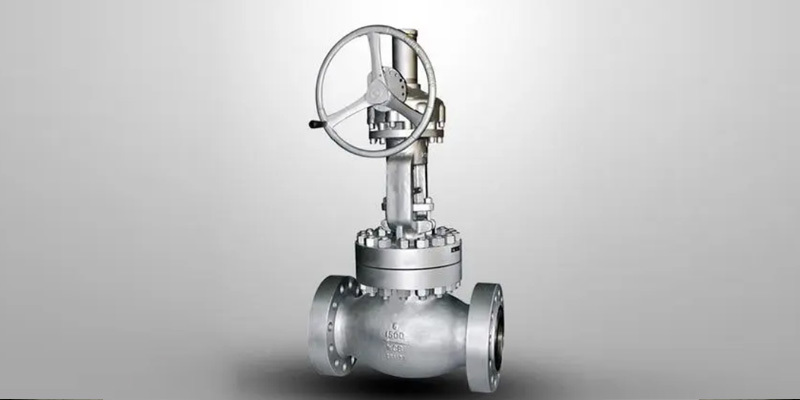
- **Globe Valves**: Ideal for precise flow control, they are commonly used in throttling.
- **Ball Valves**: Known for their quick shut-off capabilities, ball valves provide minimal pressure drop and are suitable for on-off applications.
- **Butterfly Valves**: These valves are used for regulating flow, especially in large pipes due to their lightweight and compact design.
- **Check Valves**: Prevent backflow in piping systems and are vital for protecting upstream equipment.
3.2 Key Components of Control Valves
A control valve comprises several key components, including:
- **Actuator**: Converts control signals into mechanical movement.
- **Body**: Houses the main flow path and is responsible for the valve's overall durability.
- **Trim**: The internal parts that control the flow of the fluid.
- **Bonnet**: Provides a seal for the valve body and protects the internal components.
4. Quality Standards for Control Valves
Adhering to quality standards is crucial for ensuring the safety and reliability of industrial control valves. Various organizations establish standards that govern the design, manufacturing, and testing of these valves. Compliance with ISO, ANSI, and API standards, among others, helps guarantee that control valves meet safety and performance expectations.
5. Benefits of High-Quality Control Valves for Safety
Investing in high-quality industrial control valves yields several benefits that significantly enhance safety in industrial applications.
5.1 Reliability and Consistency
High-quality control valves are designed for durability and reliable performance, minimizing the risk of unexpected failures. Consistent operation ensures that processes run smoothly, reducing the likelihood of accidents caused by equipment malfunction.
5.2 Prevention of Catastrophic Failures
Quality control valves are essential in preventing catastrophic failures that can lead to workplace accidents, environmental disasters, and financial losses. By maintaining optimal flow and pressure conditions, these valves mitigate the risk of leaks, explosions, and other hazardous events.
5.3 Enhanced Operational Efficiency
Well-designed control valves optimize the efficiency of industrial processes, which, in turn, contributes to safety. Efficient operations lead to reduced wear and tear on equipment, lower energy consumption, and less risk associated with operational anomalies.
6. Case Studies: Control Valve Safety Enhancements
Examining real-world case studies can provide insight into how quality control valves have enhanced safety in various industries. For instance, in a chemical processing plant, the implementation of high-quality control valves resulted in a significant reduction in leaks and spills. The valves' reliability ensured that pressure remained within safe limits, preventing hazardous situations. Another case involved a power generation facility where upgrading to advanced control valve technology improved response times to system fluctuations, thereby mitigating risks associated with sudden pressure changes.
7. FAQs about Industrial Control Valves and Safety
**Q1: What role do control valves play in industrial safety?**
A1: Control valves are essential for regulating fluid and gas flow, helping to maintain safe operating conditions and preventing accidents.
**Q2: How can I identify a high-quality control valve?**
A2: Look for valves that comply with industry standards, offer reliable performance, and have a reputation for durability.
**Q3: Are all types of control valves suitable for all applications?**
A3: No, the suitability of a control valve depends on the specific application, including the type of fluid, pressure conditions, and required flow control.
**Q4: Can quality control valves affect operational costs?**
A4: Yes, investing in high-quality control valves can reduce operational costs by enhancing efficiency and minimizing maintenance and downtime.
**Q5: What maintenance practices are recommended for control valves?**
A5: Regular inspection, cleaning, and testing of control valves are essential to ensure they remain in good working condition and continue to operate safely.
8. Conclusion
In conclusion, the importance of quality industrial control valves cannot be overstated when it comes to enhancing safety in industrial applications. By understanding the function, types, and benefits of these valves, industries can make informed decisions that prioritize both operational efficiency and safety. Investing in high-quality control valves is a proactive approach to mitigating risks and safeguarding personnel and equipment in various industrial environments. Emphasizing the role of these valves in maintaining safe operations is essential in today's fast-paced industrial landscape.
Key words:
More news
Essential Installation Tips for Two-Piece Flanged Ball Valves in Industrial Settings
Understanding Cast Steel Floating Ball Valves: Key Features and Applications
Floating Ball Valve vs. Traditional Valves: What You Need to Know for Optimal Performance
Maximizing Reliability: How Customized Regulating Valves Enhance System Performance
Top Features to Look for in China’s Automatic Water Control Valves
Key Features to Look for in Quality Industrial Control Valves

National sales hotline 7*24 hours
Address: 801-805 Jingshan Road, Guannan Industrial Zone, jimei district, Xiamen City


