

-
General Purpose Valve Series Butterfly valve series Ball valve series Hydraulic control valve series Corrosion-resistant valve series Bellows valve series Regulating valve seriesThree eccentric butterfly valve series Two-way double eccentric metal hard seal butterfly valve Soft seal butterfly valve series Other Butterfly Valve SeriesHydraulic control valve series Multi-function water control valve Elastic Seated Gate Valve On-off electric valve

- All
- Product Management
- News
- Introduction
- Enterprise outlets
- FAQ
- Enterprise Video
- Enterprise Atlas
Exploring Innovative Uses for Customized Regulating Valves in Various Industries
Release time:
May 02,2026
Exploring Innovative Uses for Customized Regulating Valves in Various Industries
Table of Contents
- 1. Introduction to Customized Regulating Valves
- 2. What Are Regulating Valves?
- 3. The Importance of Customization in Regulating Valves
- 4. Industrial Applications of Customized Regulating Valves
- 5. Innovative Technologies in Regulating Valves
- 6. Challenges and Solutions in Implementing Customized Valves
- 7. Future Trends in Regulating Valve Technology
- 8. Conclusion
- 9. Frequently Asked Questions (FAQs)
1. Introduction to Customized Regulating Valves
Customized regulating valves have emerged as essential components in various industrial applications, optimizing fluid flow and enhancing process efficiency. These valves allow for precise control over the flow and pressure of liquids and gases, ensuring that systems operate smoothly and reliably. As industries evolve, the need for tailored solutions becomes paramount, and customized regulating valves offer the flexibility required to meet diverse operational demands.
2. What Are Regulating Valves?
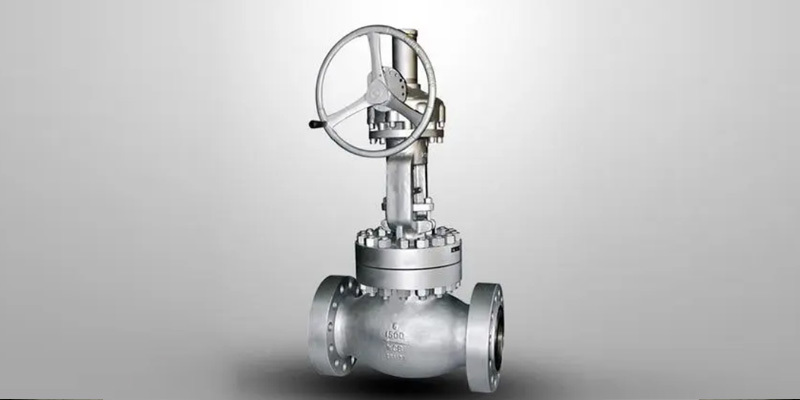
Regulating valves are devices used to control the flow of fluids within a system. They are designed to maintain desired flow rates and pressure levels, preventing system overloads and ensuring operational safety. Unlike standard valves, which can only open or close, regulating valves provide adjustable flow characteristics, making them integral to complex industrial processes. By monitoring system conditions, these valves can automatically adjust their position, providing real-time flow regulation.
3. The Importance of Customization in Regulating Valves
The unique requirements of different industries necessitate customized solutions for valve applications. Customization allows for the design of valves that can withstand specific conditions, such as extreme temperatures, corrosive environments, or high pressures. Tailored features may include specialized materials, specific control mechanisms, and integration with advanced monitoring systems. By investing in customized regulating valves, companies can enhance system efficiency, reduce maintenance costs, and improve overall performance.
4. Industrial Applications of Customized Regulating Valves
Customized regulating valves find applications across a wide range of industries. Their versatility and adaptability make them suitable for various processes, from oil and gas extraction to food production.
4.1 Oil and Gas Industry
In the oil and gas sector, regulating valves play a critical role in controlling the flow of hydrocarbons from extraction to processing. Customized solutions ensure that valves can handle the corrosive nature of certain materials while maintaining safety standards. For instance, valves equipped with advanced sealing technologies prevent leaks, thereby protecting both the environment and personnel.
4.2 Chemical Processing
The chemical processing industry relies heavily on customized regulating valves to manage highly reactive and potentially hazardous materials. Tailored valves can be designed to withstand extreme pressures and temperatures, ensuring safe handling during chemical reactions. Furthermore, the integration of automation and control technologies allows for precise flow adjustments, enhancing overall process control.
4.3 Water Treatment
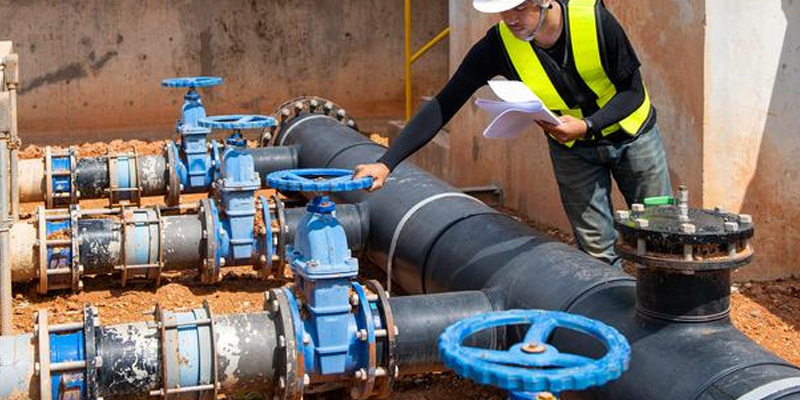
In water treatment facilities, customized regulating valves manage the flow of water through various stages of purification. These valves can be designed to function efficiently in varying water qualities, ensuring that flow rates are maintained even under changing conditions. By implementing customized solutions, water treatment plants can achieve higher efficiency and better compliance with environmental regulations.
4.4 Food and Beverage Industry
The food and beverage industry demands strict hygiene and safety standards. Customized regulating valves made from food-grade materials ensure that products remain uncontaminated during processing. These valves not only control flow rates but also facilitate automated cleaning processes, meeting the industry's need for hygienic practices while optimizing production efficiency.
5. Innovative Technologies in Regulating Valves
The advancement of technology has significantly impacted the design and functionality of customized regulating valves. Innovations such as smart sensors, IoT integration, and advanced materials are transforming how these valves operate. Smart valves can communicate with centralized control systems, providing real-time data analytics for better decision-making. This technological integration leads to improved efficiency, reduced downtime, and optimized maintenance schedules.
6. Challenges and Solutions in Implementing Customized Valves
While customized regulating valves offer numerous benefits, their implementation can present challenges. One significant hurdle is the initial investment required for custom design and manufacturing. However, the long-term savings in maintenance and operational efficiency often outweigh these upfront costs.
Another challenge is ensuring compatibility with existing systems. Conducting thorough assessments and collaborating with valve manufacturers during the design phase can mitigate this risk, ensuring seamless integration and functionality.
7. Future Trends in Regulating Valve Technology
As industries continue to evolve, several trends are shaping the future of customized regulating valves. Sustainability is becoming a focal point, with a growing emphasis on eco-friendly materials and energy-efficient designs. Additionally, the rise of Industry 4.0 is pushing for increased automation and data analytics in valve technology. These trends will likely drive further innovations, leading to even more efficient and reliable regulating valves.
8. Conclusion
Customized regulating valves are transforming industrial processes across various sectors. By offering tailored solutions that enhance control, efficiency, and safety, these valves are crucial in meeting the unique demands of modern industries. As technology advances, the possibilities for customization and innovation will continue to expand, unlocking new potentials for performance and efficiency. Investing in customized regulating valves not only provides immediate benefits but also positions companies for long-term success in an ever-evolving industrial landscape.
9. Frequently Asked Questions (FAQs)
1. What industries benefit from customized regulating valves?
Customized regulating valves are beneficial in various industries, including oil and gas, chemical processing, water treatment, and food and beverage.
2. How do customized valves differ from standard valves?
Customized valves are designed to meet specific operational requirements, such as unique pressure, temperature, or material compatibility, whereas standard valves are mass-produced without tailored features.
3. What materials are commonly used for customized regulating valves?
Common materials include stainless steel, brass, and specialized alloys, selected based on the application’s environmental conditions and fluid characteristics.
4. How can smart technologies enhance regulating valves?
Smart technologies allow for real-time monitoring, data analytics, and remote control, leading to improved operational efficiency and predictive maintenance.
5. What are the cost considerations for implementing customized regulating valves?
While the initial investment for customized valves may be higher, the long-term savings in maintenance and increased efficiency often justify the cost.
Key words:
More news
Essential Installation Tips for Two-Piece Flanged Ball Valves in Industrial Settings
Understanding Cast Steel Floating Ball Valves: Key Features and Applications
Floating Ball Valve vs. Traditional Valves: What You Need to Know for Optimal Performance
Maximizing Reliability: How Customized Regulating Valves Enhance System Performance
Top Features to Look for in China’s Automatic Water Control Valves
Key Features to Look for in Quality Industrial Control Valves

National sales hotline 7*24 hours
Address: 801-805 Jingshan Road, Guannan Industrial Zone, jimei district, Xiamen City


