

-
General Purpose Valve Series Butterfly valve series Ball valve series Hydraulic control valve series Corrosion-resistant valve series Bellows valve series Regulating valve seriesThree eccentric butterfly valve series Two-way double eccentric metal hard seal butterfly valve Soft seal butterfly valve series Other Butterfly Valve SeriesHydraulic control valve series Multi-function water control valve Elastic Seated Gate Valve On-off electric valve

- All
- Product Management
- News
- Introduction
- Enterprise outlets
- FAQ
- Enterprise Video
- Enterprise Atlas
Understanding Bellows Valves: Functionality and Applications in Industrial Equipment
Release time:
Apr 22,2025
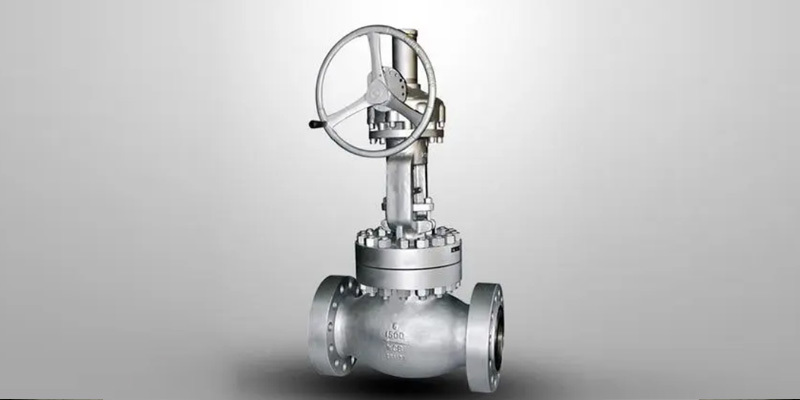
Bellows valves are specialized types of valves widely used in industrial equipment and components, particularly in situations where leakage prevention and precise flow control are crucial. What sets bellows valves apart from conventional valve designs is their use of a flexible bellows element, which acts as a seal, providing a robust barrier against the passage of fluids while accommodating movement and pressure fluctuations.
One of the primary advantages of bellows valves is their ability to minimize the risk of leakage. Traditional valves often rely on packing materials, which can wear down over time, leading to potential leaks. In contrast, the bellows design eliminates this concern by utilizing a metal or elastomeric bellows that can withstand high pressures and temperatures without compromising the seal. This feature is particularly valuable in industries such as pharmaceuticals, chemicals, and food processing, where contamination risks must be meticulously managed.
In terms of operation, bellows valves are typically actuated either manually or automatically. The actuator applies force to compress the bellows, allowing fluid to flow through the valve. Once the actuator is released, the bellows expand to seal off the flow, ensuring complete closure. This mechanism not only provides reliable shut-off capabilities but also allows for precise control of fluid flow rates, which is essential in applications requiring strict adherence to process specifications.
Another significant benefit of bellows valves is their longevity and low maintenance requirements. The robust construction and elimination of wear-prone components mean that these valves often outlast their conventional counterparts. This durability translates to reduced downtime and lower replacement costs, making bellows valves a cost-effective solution for many industrial applications.
Moreover, bellows valves can be designed to handle a wide range of media, including corrosive substances and high-purity fluids. This versatility makes them suitable for various industries such as oil and gas, water treatment, and power generation, where different operational environments demand specialized equipment.
In conclusion, bellows valves are a pivotal component in the industrial sector, offering superior sealing capabilities, operational efficiency, and longevity. Their unique design and functionality make them an ideal choice for applications where fluid control and leakage prevention are paramount. Understanding the role of bellows valves can help businesses select the right equipment for their specific needs, ultimately improving system performance and reliability.
Key words:
More news
Essential Installation Tips for Two-Piece Flanged Ball Valves in Industrial Settings
Understanding Cast Steel Floating Ball Valves: Key Features and Applications
Floating Ball Valve vs. Traditional Valves: What You Need to Know for Optimal Performance
Maximizing Reliability: How Customized Regulating Valves Enhance System Performance
Top Features to Look for in China’s Automatic Water Control Valves
Key Features to Look for in Quality Industrial Control Valves

National sales hotline 7*24 hours
Address: 801-805 Jingshan Road, Guannan Industrial Zone, jimei district, Xiamen City


