

-
General Purpose Valve Series Butterfly valve series Ball valve series Hydraulic control valve series Corrosion-resistant valve series Bellows valve series Regulating valve seriesThree eccentric butterfly valve series Two-way double eccentric metal hard seal butterfly valve Soft seal butterfly valve series Other Butterfly Valve SeriesHydraulic control valve series Multi-function water control valve Elastic Seated Gate Valve On-off electric valve

- All
- Product Management
- News
- Introduction
- Enterprise outlets
- FAQ
- Enterprise Video
- Enterprise Atlas
How to Ensure Compliance with Globe Butterfly Valve Standards: A Comprehensive Guide
Release time:
Apr 23,2025
How to Ensure Compliance with Globe Butterfly Valve Standards
In the world of industrial equipment, particularly in valve technology, ensuring compliance with standards is crucial for safety, efficiency, and reliability. Globe butterfly valves are widely used in various applications, including water supply systems, chemical processing, and HVAC systems. This comprehensive guide will delve into the numerous aspects of compliance with globe butterfly valve standards, providing you with actionable insights and best practices to follow.
Understanding Globe Butterfly Valves
Before diving into compliance requirements, it's vital to understand what globe butterfly valves are and how they function.
What are Globe Butterfly Valves?
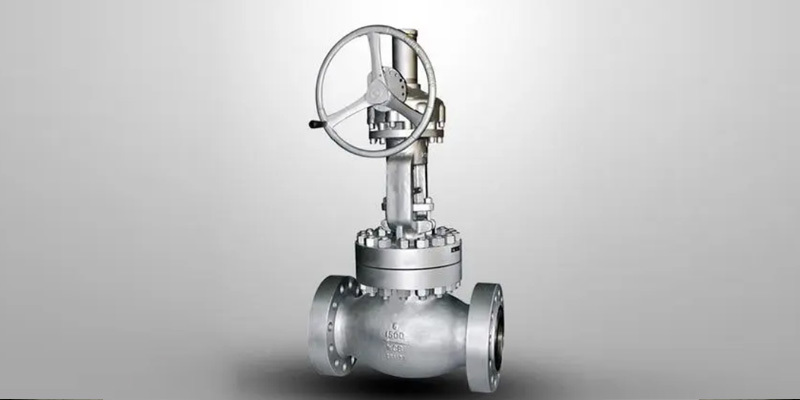
Globe butterfly valves are a type of valve that regulates the flow of fluids through pipes. They are characterized by a circular disc that rotates within the valve body to open or close the flow path. This design allows for efficient throttling and excellent flow control, making them suitable for various applications.
Applications of Globe Butterfly Valves
These valves are commonly used in:
- **Water Treatment Plants**: For controlling water flow and pressure.
- **Chemical Processing**: To manage the flow of corrosive substances.
- **HVAC Systems**: For regulating airflow in heating and cooling systems.
The Importance of Compliance with Standards
Compliance with globe butterfly valve standards is not merely a regulatory obligation; it also ensures:
- **Safety**: Preventing leaks and failures that could lead to hazardous situations.
- **Efficiency**: Enhancing performance and reducing downtime.
- **Quality Assurance**: Ensuring that the valves meet industry benchmarks for durability and reliability.
Key Standards for Globe Butterfly Valves
Various organizations set forth standards to ensure the quality and safety of globe butterfly valves. Some of the most notable include:
- **American National Standards Institute (ANSI)**
- **American Society for Testing and Materials (ASTM)**
- **International Organization for Standardization (ISO)**
Understanding these standards and their implications is crucial for manufacturers, suppliers, and end-users.
Steps to Ensure Compliance with Globe Butterfly Valve Standards
Ensuring compliance requires a systematic approach that involves several critical steps.
1. Familiarize Yourself with Relevant Standards
Start by thoroughly researching the applicable standards for globe butterfly valves. Understanding the specific requirements outlined by organizations like ANSI, ASTM, and ISO is vital to ensure compliance.
2. Select Quality Materials
The materials used in manufacturing globe butterfly valves play a significant role in their performance and longevity. Compliance often requires using corrosion-resistant materials and adhering to specific metallurgical standards.
Common Materials Used
- **Cast Iron**: Commonly used for its strength and durability.
- **Stainless Steel**: Preferred for its corrosion resistance.
- **Bronze**: Often used for marine applications due to its resistance to seawater.
3. Implement Quality Control Measures
Quality control is paramount in ensuring compliance. Implement rigorous testing protocols during the manufacturing process to verify that each valve meets the required standards.
Testing Methods
- **Hydrostatic Testing**: To check for leaks and ensure pressure resistance.
- **Dimensional Inspection**: Ensuring that all components meet specified measurements.
- **Material Testing**: Conducting tests to verify the quality of materials used.
4. Regular Maintenance and Inspection
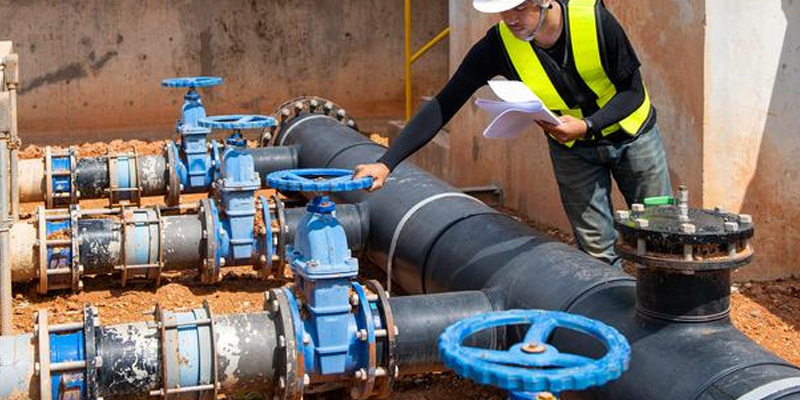
Post-manufacturing, it is essential to maintain and inspect globe butterfly valves regularly. Scheduled maintenance helps identify potential issues before they escalate, ensuring ongoing compliance.
Maintenance Checklist
- **Visual Inspections**: Look for signs of wear, corrosion, or damage.
- **Functionality Tests**: Ensure the valve operates smoothly and effectively.
- **Lubrication**: Regularly lubricate moving parts to prevent friction and wear.
5. Employee Training and Awareness
Ensuring compliance is not just about the valves themselves; it also involves the people working with them. Regular training sessions for employees on compliance standards and best practices can significantly enhance safety and efficiency.
Common Challenges in Compliance
While ensuring compliance with globe butterfly valve standards is critical, various challenges may arise.
1. Evolving Regulations
Regulatory standards are continually evolving. Staying updated with the latest changes can be challenging, but it's essential to ensure compliance.
2. Inconsistent Quality from Suppliers
Working with multiple suppliers can lead to inconsistencies in quality. Establishing robust supplier relationships and conducting regular audits can mitigate this issue.
3. Lack of Resources
Smaller organizations may find it challenging to allocate the necessary resources for compliance. Leveraging industry partnerships and outsourcing certain functions can help alleviate these constraints.
Conclusion
Ensuring compliance with globe butterfly valve standards is an ongoing process that requires diligence, knowledge, and commitment. By familiarizing yourself with relevant standards, selecting quality materials, implementing thorough quality control measures, and fostering a culture of safety through employee training, you can fulfill compliance requirements effectively. Regular maintenance and proactive inspections will not only ensure compliance but also enhance the overall performance and longevity of your globe butterfly valves. By following these best practices, you can achieve operational excellence and ensure the safety and reliability of your systems.
FAQs
1. What are the consequences of non-compliance with globe butterfly valve standards?
Non-compliance can lead to safety hazards, operational inefficiencies, and potential legal liabilities.
2. How often should globe butterfly valves be inspected?
Valves should be inspected regularly, typically every six months, or as recommended by specific operational guidelines.
3. Are there specific certifications required for globe butterfly valves?
Yes, certain certifications, such as ISO and ANSI certifications, may be required depending on the industry and application.
4. What is the best way to train employees on compliance standards?
Regular workshops and training sessions that include hands-on demonstrations and updated information on standards can be effective.
5. How can I choose a reliable supplier for globe butterfly valves?
Research potential suppliers, check their certifications, read customer reviews, and consider their history of compliance with regulatory standards.
Key words:
More news
Essential Installation Tips for Two-Piece Flanged Ball Valves in Industrial Settings
Understanding Cast Steel Floating Ball Valves: Key Features and Applications
Floating Ball Valve vs. Traditional Valves: What You Need to Know for Optimal Performance
Maximizing Reliability: How Customized Regulating Valves Enhance System Performance
Top Features to Look for in China’s Automatic Water Control Valves
Key Features to Look for in Quality Industrial Control Valves

National sales hotline 7*24 hours
Address: 801-805 Jingshan Road, Guannan Industrial Zone, jimei district, Xiamen City


