

-
General Purpose Valve Series Butterfly valve series Ball valve series Hydraulic control valve series Corrosion-resistant valve series Bellows valve series Regulating valve seriesThree eccentric butterfly valve series Two-way double eccentric metal hard seal butterfly valve Soft seal butterfly valve series Other Butterfly Valve SeriesHydraulic control valve series Multi-function water control valve Elastic Seated Gate Valve On-off electric valve

- All
- Product Management
- News
- Introduction
- Enterprise outlets
- FAQ
- Enterprise Video
- Enterprise Atlas
Exploring the Mechanism Behind Globe Butterfly Valves: A Comprehensive Guide
Release time:
Jun 22,2025
Exploring the Mechanism Behind Globe Butterfly Valves: A Comprehensive Guide
Table of Contents
- 1. Introduction to Globe Butterfly Valves
- 2. Understanding the Working Mechanism of Globe Butterfly Valves
- 3. Key Components of Globe Butterfly Valves
- 4. Applications of Globe Butterfly Valves in Industry
- 5. Advantages of Using Globe Butterfly Valves
- 6. Maintenance Tips for Globe Butterfly Valves
- 7. Troubleshooting Common Issues with Globe Butterfly Valves
- 8. Conclusion
- 9. FAQs
1. Introduction to Globe Butterfly Valves
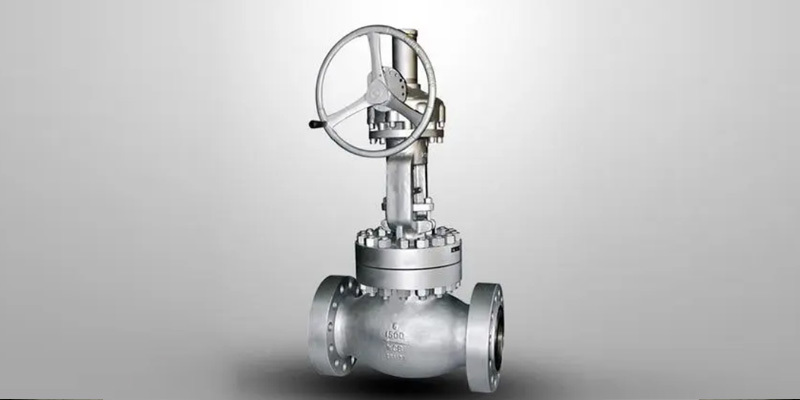
Globe butterfly valves are essential elements in various industrial applications, primarily used for regulating flow in piping systems. These valves combine the functionality of globe valves and butterfly valves, providing a unique solution for controlling fluid dynamics. Understanding their mechanism is crucial for engineers, technicians, and anyone involved in industrial processes. This guide aims to provide a comprehensive overview of globe butterfly valves, including their construction, operation, applications, and maintenance.
2. Understanding the Working Mechanism of Globe Butterfly Valves
The working mechanism of globe butterfly valves involves a disc that rotates around a fixed shaft. This rotation allows the valve to control the flow of fluids effectively. When the disc is positioned parallel to the flow, the valve is open, allowing maximum fluid passage. Conversely, when the disc is turned perpendicular to the flow, the valve closes, restricting fluid movement.
**Key features of the working mechanism include:**
- **Disc Rotation:** The disc is mounted on a vertical shaft and can rotate 90 degrees to open or close the valve.
- **Flow Control:** The design allows for precise regulation of flow, making it ideal for applications requiring accurate flow management.
- **Sealing Mechanism:** A resilient seat material ensures that the valve seals tightly when closed, minimizing leakage.
3. Key Components of Globe Butterfly Valves
To fully appreciate the functionality of globe butterfly valves, it is essential to understand their components. The main parts include:
3.1. Valve Body
The valve body houses the internal components and is typically made from durable materials like stainless steel or cast iron. This robust construction ensures longevity and resistance to corrosion.
3.2. Disc
The disc is the primary component that regulates flow. Its design often incorporates a streamlined shape to reduce turbulence and pressure loss when open.
3.3. Shaft
The shaft connects the disc to the actuator and allows for precise control over its rotation. It must be strong enough to withstand operational stresses.
3.4. Actuator
The actuator can be manual or automated, enabling remote control of the valve. Electric, pneumatic, and hydraulic actuators are common choices based on application needs.
3.5. Seat Material
The seat material is crucial for sealing. Common choices include rubber, PTFE, and other elastomers, selected based on the fluid type and temperature.
4. Applications of Globe Butterfly Valves in Industry
Globe butterfly valves find applications across various industries due to their versatility and efficiency. Some prominent uses include:
4.1. Water Treatment Plants
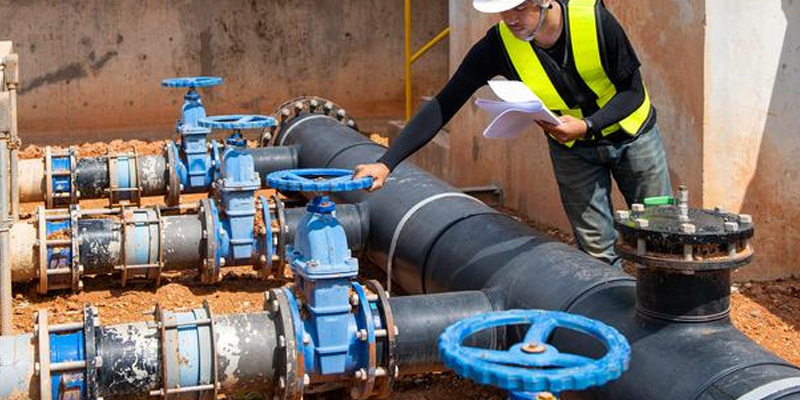
In water treatment facilities, globe butterfly valves regulate flow and pressure, ensuring optimal treatment processes.
4.2. Oil and Gas Industry
These valves handle the flow of crude oil and natural gas, providing reliable control in high-pressure environments.
4.3. Chemical Processing
Chemical plants utilize globe butterfly valves to manage the flow of corrosive and hazardous materials safely.
4.4. HVAC Systems
In heating, ventilation, and air conditioning systems, these valves control airflow and maintain desired temperatures.
4.5. Food and Beverage Industry
In food processing, hygiene is critical. Globe butterfly valves are designed for easy cleaning and maintenance, making them suitable for this sector.
5. Advantages of Using Globe Butterfly Valves
Globe butterfly valves offer several advantages that make them preferable in various applications:
5.1. Space Efficiency
Due to their compact design, globe butterfly valves require less installation space compared to other valve types, making them ideal for tight spaces.
5.2. Lightweight Design
The lightweight construction reduces the overall weight of the piping system, facilitating easier handling and installation.
5.3. Low Pressure Drop
The streamlined design minimizes pressure loss across the valve, ensuring efficient fluid flow.
5.4. Ease of Maintenance
These valves typically feature accessible components, simplifying maintenance and reducing downtime.
5.5. Cost-Effectiveness
Given their durability and efficiency, globe butterfly valves represent a cost-effective solution over their lifespan.
6. Maintenance Tips for Globe Butterfly Valves
Regular maintenance of globe butterfly valves is essential to ensure their longevity and reliable operation. Here are some practical tips:
6.1. Regular Inspections
Conduct periodic inspections to check for leaks, corrosion, and wear. Early detection of issues can prevent costly repairs.
6.2. Clean the Valve Body
Debris and buildup in the valve body can impair functionality. Regular cleaning is vital, especially in applications with particulate matter.
6.3. Check the Actuator
Ensure the actuator is functioning correctly. Test its responsiveness and inspect it for wear or damage.
6.4. Lubrication
Apply lubricant to the shaft and moving parts to minimize friction and wear, ensuring smooth operation.
6.5. Replace Worn Components
If any components show signs of wear, replace them promptly to maintain optimal performance.
7. Troubleshooting Common Issues with Globe Butterfly Valves
Despite their reliability, globe butterfly valves may encounter issues over time. Here are some common problems and their solutions:
7.1. Leakage
If the valve leaks, check the seat material for wear or damage. Replacing the seat can often resolve this issue.
7.2. Difficulty in Operation
If the valve is hard to operate, inspect the actuator and lubricate moving parts as necessary.
7.3. Unresponsive Actuator
If the actuator fails to respond, check the power supply or pneumatic connections, depending on the actuator type.
7.4. Excessive Noise
If the valve produces noise during operation, it may indicate turbulence or cavitation. Evaluate the flow conditions and adjust as required.
8. Conclusion
Globe butterfly valves play a pivotal role in managing fluid flow across numerous industrial applications. Their unique mechanism, efficient design, and various advantages make them a favored choice among engineers and operators. By understanding their components, working principles, and maintenance practices, users can ensure these valves operate optimally, contributing to the overall efficiency of industrial systems. With proper care and timely troubleshooting, globe butterfly valves can provide reliable service, adapting to diverse operational conditions.
9. FAQs
What is a globe butterfly valve?
A globe butterfly valve is a type of valve that combines the features of a globe valve and a butterfly valve, allowing for efficient flow control in piping systems.
How does a globe butterfly valve work?
It operates by rotating a disc around a fixed shaft to control fluid flow. The disc can be opened or closed by adjusting its position relative to the flow direction.
What are the main components of a globe butterfly valve?
The main components include the valve body, disc, shaft, actuator, and sealing material.
Where are globe butterfly valves commonly used?
They are widely used in water treatment plants, oil and gas industries, chemical processing, HVAC systems, and food and beverage manufacturing.
How can I maintain globe butterfly valves?
Regular inspections, cleaning, lubrication, and timely replacement of worn parts are essential for maintaining globe butterfly valves.
Key words:
More news
Essential Installation Tips for Two-Piece Flanged Ball Valves in Industrial Settings
Understanding Cast Steel Floating Ball Valves: Key Features and Applications
Floating Ball Valve vs. Traditional Valves: What You Need to Know for Optimal Performance
Maximizing Reliability: How Customized Regulating Valves Enhance System Performance
Top Features to Look for in China’s Automatic Water Control Valves
Key Features to Look for in Quality Industrial Control Valves

National sales hotline 7*24 hours
Address: 801-805 Jingshan Road, Guannan Industrial Zone, jimei district, Xiamen City


