

-
General Purpose Valve Series Butterfly valve series Ball valve series Hydraulic control valve series Corrosion-resistant valve series Bellows valve series Regulating valve seriesThree eccentric butterfly valve series Two-way double eccentric metal hard seal butterfly valve Soft seal butterfly valve series Other Butterfly Valve SeriesHydraulic control valve series Multi-function water control valve Elastic Seated Gate Valve On-off electric valve

- All
- Product Management
- News
- Introduction
- Enterprise outlets
- FAQ
- Enterprise Video
- Enterprise Atlas
Enhancing Process Control with Advanced Industrial Control Valves: A Comprehensive Guide
Release time:
Oct 02,2025
Enhancing Process Control with Advanced Industrial Control Valves
Table of Contents
- 1. Introduction to Industrial Control Valves
- 2. Importance of Control Valves in Process Control
- 3. Types of Advanced Industrial Control Valves
- 4. Key Features of Advanced Control Valves
- 5. Benefits of Using Advanced Control Valves
- 6. Applications of Control Valves in Various Industries
- 7. How to Choose the Right Control Valve
- 8. The Future of Industrial Control Valves
- 9. Frequently Asked Questions
- 10. Conclusion
1. Introduction to Industrial Control Valves
Industrial control valves are crucial components in various industries, responsible for regulating flow, pressure, temperature, and fluid levels. These devices play a pivotal role in ensuring efficient and safe operations across a range of applications, from oil and gas to pharmaceuticals and food processing. As industries evolve, advanced control valves are emerging, equipped with cutting-edge technology to enhance process control and improve overall reliability.
2. Importance of Control Valves in Process Control
Control valves serve as the backbone of process control systems. Their primary function is to modulate fluid flow by varying the size of the flow passage as directed by a controller signal. This modulation is essential for maintaining desired process conditions—failure to do so can lead to inefficiencies, increased operational costs, and safety hazards. Advanced control valves provide enhanced control over processes, leading to improved energy efficiency, reduced emissions, and increased product quality.
3. Types of Advanced Industrial Control Valves
Understanding the different types of control valves is crucial for selecting the right one for your application. Here are the most common types:
3.1 Globe Valves
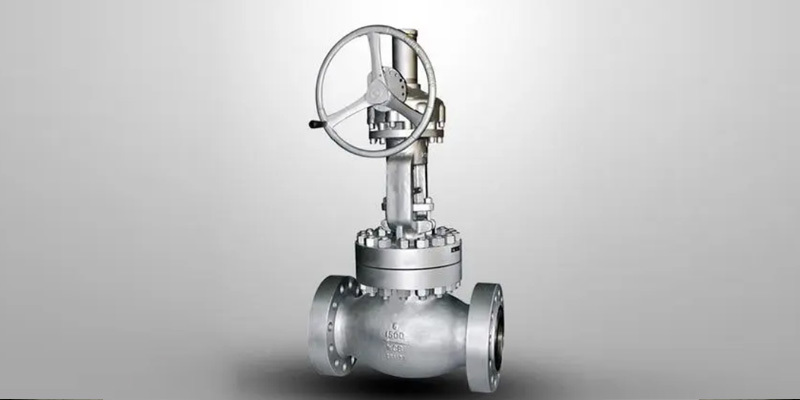
Globe valves are known for their excellent throttling capabilities. They feature a spherical body and provide precise control over flow rates. These valves are ideal for applications where flow needs to be regulated accurately.
3.2 Ball Valves
Ball valves utilize a spherical disc to control flow. They are favored for their durability and ability to seal tightly, making them suitable for on/off control. Recent advancements in ball valve technology allow for better flow regulation.
3.3 Butterfly Valves
Butterfly valves are designed for quick shut-off and easy operation. They feature a rotating disc that regulates flow. These valves are lightweight and compact, making them ideal for large-diameter pipes.
3.4 Check Valves
Check valves prevent backflow in pipelines, ensuring that fluids flow only in one direction. They are crucial in protecting equipment from possible damage due to reverse flow.
4. Key Features of Advanced Control Valves
Advanced control valves come equipped with a variety of features that enhance their performance and reliability:
- **Smart Actuation**: Utilizing advanced actuators that can respond to real-time data, allowing for precise control and automation.
- **Integrated Diagnostics**: Many modern control valves have self-diagnostic capabilities, enabling predictive maintenance and reducing downtime.
- **Advanced Materials**: The use of corrosion-resistant and high-temperature materials extends the lifespan of the valves and enhances performance under challenging conditions.
- **Remote Monitoring**: With the integration of IoT technology, operators can monitor valve performance remotely, improving responsiveness and decision-making.
5. Benefits of Using Advanced Control Valves
Incorporating advanced control valves into your process control systems can yield significant benefits, including:
- **Enhanced Efficiency**: Improved flow regulation leads to better energy utilization and reduced operational costs.
- **Increased Safety**: Advanced features such as real-time monitoring help in identifying potential issues before they escalate, ensuring a safer work environment.
- **Higher Product Quality**: Consistent flow control results in better product consistency and quality, minimizing waste and rework.
- **Extended Equipment Lifespan**: Improved materials and designs contribute to longer-lasting valves, reducing replacement frequency and maintenance costs.
6. Applications of Control Valves in Various Industries
Control valves find applications in numerous sectors, each with unique requirements. Some key industries include:
- **Oil and Gas**: Control valves regulate flow and pressure in pipelines, ensuring safe and efficient transport of hydrocarbons.
- **Chemical Processing**: In chemical plants, precise control of temperature and pressure is vital for safety and product quality.
- **Water Treatment**: Control valves manage the flow of water and chemicals throughout treatment processes, ensuring effective purification.
- **Food and Beverage**: In this industry, hygiene and safety are paramount. Control valves help maintain optimum conditions for processing and preserving food.
7. How to Choose the Right Control Valve
Selecting the appropriate control valve involves several considerations:
1. **Application Requirements**: Understand the specific needs of your process, including flow rates, pressure conditions, and fluid types.
2. **Material Compatibility**: Ensure the valve materials are compatible with the fluids being handled to prevent corrosion and degradation.
3. **Control Method**: Determine whether you need on/off control or precise flow regulation.
4. **Size and Connection Type**: Choose the right size to match pipe dimensions and ensure correct connection types for easy installation.
8. The Future of Industrial Control Valves
The future of industrial control valves is set to be shaped by advancements in automation, artificial intelligence, and Industry 4.0 technologies. These innovations will allow for even more precise control and monitoring, leading to optimized processes and improved sustainability. As industries continue to prioritize efficiency and safety, the role of advanced control valves will become increasingly crucial.
9. Frequently Asked Questions
What are industrial control valves?
Industrial control valves are devices used to regulate fluid flow, pressure, and temperature in various industrial processes.
Why are control valves important?
Control valves are essential for maintaining desired process conditions, ensuring safety, efficiency, and product quality.
What types of control valves are available?
Common types include globe valves, ball valves, butterfly valves, and check valves, each serving distinct purposes.
How do advanced control valves improve efficiency?
Advanced control valves incorporate modern technology, enabling better flow regulation, energy savings, and reduced operational costs.
How do I select the right control valve for my application?
Consider application requirements, material compatibility, control method, size, and connection type when selecting a control valve.
10. Conclusion
The integration of advanced industrial control valves into process control systems is transforming how industries operate. By providing enhanced efficiency, increased safety, and improved product quality, these valves are essential for modern industrial applications. As technology continues to evolve, the future promises even greater advancements, making it crucial for businesses to stay informed and adapt to these changes. Embracing advanced control valves not only optimizes process control but also paves the way for a more sustainable and efficient industrial landscape.
Key words:
More news
Essential Installation Tips for Two-Piece Flanged Ball Valves in Industrial Settings
Understanding Cast Steel Floating Ball Valves: Key Features and Applications
Floating Ball Valve vs. Traditional Valves: What You Need to Know for Optimal Performance
Maximizing Reliability: How Customized Regulating Valves Enhance System Performance
Top Features to Look for in China’s Automatic Water Control Valves
Key Features to Look for in Quality Industrial Control Valves

National sales hotline 7*24 hours
Address: 801-805 Jingshan Road, Guannan Industrial Zone, jimei district, Xiamen City


