

-
General Purpose Valve Series Butterfly valve series Ball valve series Hydraulic control valve series Corrosion-resistant valve series Bellows valve series Regulating valve seriesThree eccentric butterfly valve series Two-way double eccentric metal hard seal butterfly valve Soft seal butterfly valve series Other Butterfly Valve SeriesHydraulic control valve series Multi-function water control valve Elastic Seated Gate Valve On-off electric valve
- All
- Product Management
- News
- Introduction
- Enterprise outlets
- FAQ
- Enterprise Video
- Enterprise Atlas

Share:
Cast steel floating ball valve
If you are interested in our products, Please contact us
Product classification
Product Details
Cast steel floating ball valve
Seat temperature • pressure rating
- The use of floating ball valve produced by Simac is based on the temperature and pressure of the medium. There are four kinds of valve seat materials, which are selected according to the temperature.
- Part is the fixed ball valve range of CLASS150, 300 and PN16, 25, 40. For GM seats and RPPL seats, they are not limited by this table.
- The valve body class in the table is in accordance with ANSI B16.34. Seat rating is as per BS5351 standard. (But the full bore 250mm and the necking type 300mm is according to TJ standard)
Test pressure
Full-bore type
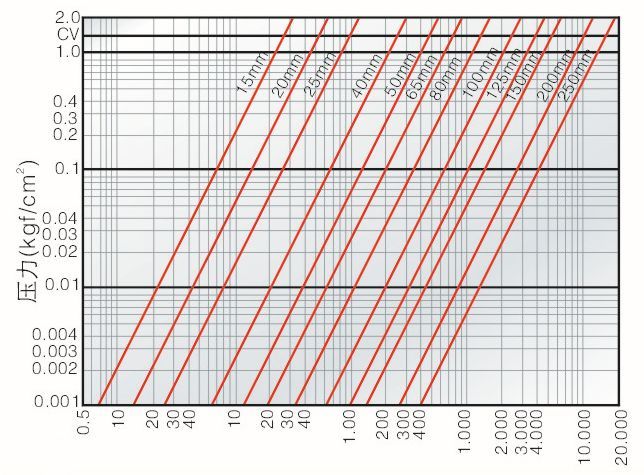
Shrinkhole type
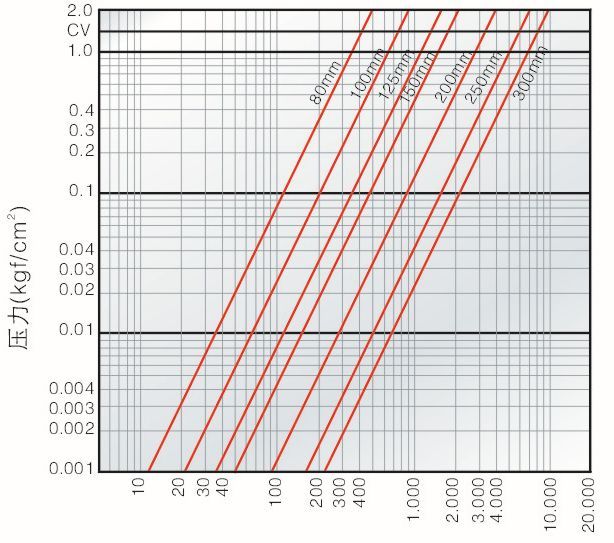
Turbo rod-turbine driver
Simac production of floating ball valve generally DN250 ~ diameter (NPS10-NP12) using turbine driver. The operation of the vortex rod-turbine is light and labor-saving and flexible. Can also be based on user requirements for DN15 ~ DN150 floating ball valve using turbine drive. A fully sealed scroll bar-turbine can be used for outdoor piping valves.
Wrench
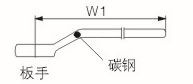
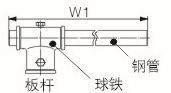
According to the operating torque of the floating ball valve, the size of the diameter and other factors, the wrench structure is divided into two types, the selection of the material must be considered from the fire, high temperature, deformation and other factors.
Lock No. • Size
See the following table for lock size of Simac floating ball valve
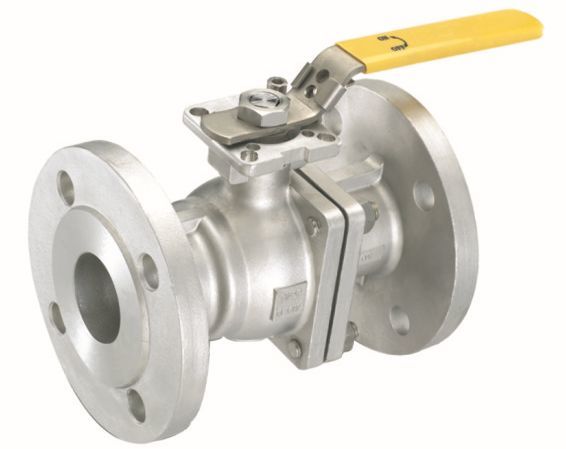
Cast Steel Floating Ball Valve: An Ideal Choice for Fluid Control
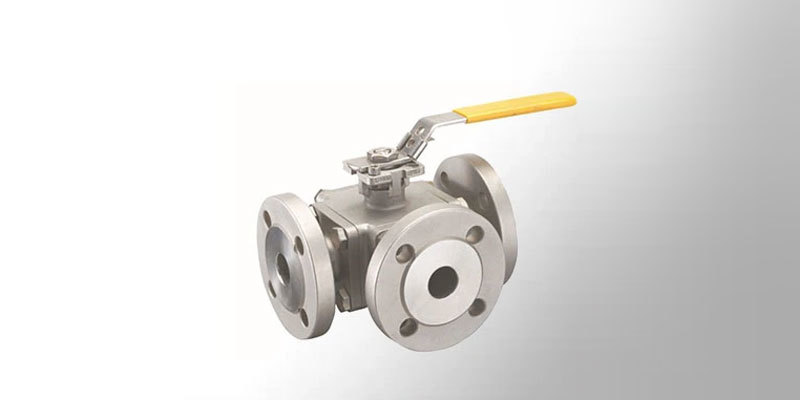
A cast steel floating ball valve is a crucial component in various industrial applications for fluid control.
**1. Robust Construction**
Cast steel is used in its manufacturing, which endows the valve with excellent strength and durability. This material can withstand high pressure and extreme temperature conditions, making it suitable for use in demanding environments such as oil refineries, chemical plants, and power generation facilities.
**2. Floating Ball Design**
The floating ball within the valve plays a key role. It is free to move slightly, allowing for a tight seal against the valve seats. This design ensures effective shut - off of the fluid flow, preventing leakage even under high - pressure differentials.
**3. Precise Flow Control**
The valve offers precise control over the flow rate of the fluid. By adjusting the position of the ball, operators can regulate the amount of fluid passing through the valve with a high degree of accuracy.
**4. Corrosion Resistance**
Cast steel can be treated or alloyed to have good corrosion - resistant properties. This protects the valve from the corrosive effects of various fluids, extending its service life and reducing maintenance costs.
**5. Easy Installation and Maintenance**
It is designed for easy installation in piping systems. And with its simple structure, routine maintenance such as inspection and replacement of parts can be carried out relatively easily.
In conclusion, the cast steel floating ball valve combines strength, reliability, and efficient flow control, making it a top - notch solution for fluid - handling systems in many industries.
Get Quote
Related Products

National sales hotline 7*24 hours
Address: 801-805 Jingshan Road, Guannan Industrial Zone, jimei district, Xiamen City


