

-
General Purpose Valve Series Butterfly valve series Ball valve series Hydraulic control valve series Corrosion-resistant valve series Bellows valve series Regulating valve seriesThree eccentric butterfly valve series Two-way double eccentric metal hard seal butterfly valve Soft seal butterfly valve series Other Butterfly Valve SeriesHydraulic control valve series Multi-function water control valve Elastic Seated Gate Valve On-off electric valve

- All
- Product Management
- News
- Introduction
- Enterprise outlets
- FAQ
- Enterprise Video
- Enterprise Atlas
Exploring the Benefits of Using High-Quality Industrial Control Valves for Enhanced Operational Efficiency
Release time:
Mar 15,2026
Exploring the Benefits of Using High-Quality Industrial Control Valves for Enhanced Operational Efficiency
In the realm of industrial operations, the significance of high-quality control valves cannot be overstated. These essential components play a pivotal role in regulating the flow of liquids and gases, ensuring that systems operate smoothly and efficiently. This article delves into the multitude of benefits that stem from using high-quality industrial control valves, highlighting their importance in optimizing performance, reducing costs, and enhancing overall reliability.
Table of Contents
- Understanding Industrial Control Valves
- The Importance of High-Quality Control Valves
- Benefits of Using High-Quality Control Valves
- Applications of Control Valves in Various Industries
- Key Features to Look for in High-Quality Control Valves
- Choosing the Right Control Valve for Your Needs
- Conclusion
- FAQs about Industrial Control Valves
Understanding Industrial Control Valves
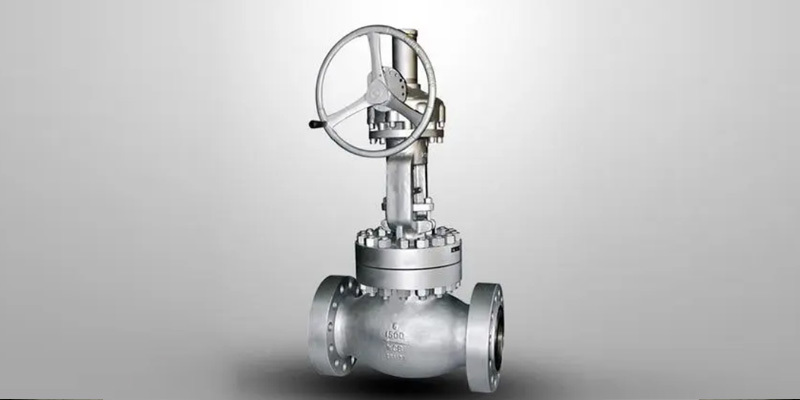
Industrial control valves are mechanical devices designed to control the flow and pressure of fluids within a system. These are pivotal in various sectors, including oil and gas, chemical processing, water treatment, and power generation. By adjusting the size of the flow passage, control valves manage the rate of fluid flow and ensure that processes operate under optimal conditions.
The Importance of High-Quality Control Valves
High-quality control valves are engineered to withstand the rigors of industrial environments. They are constructed from superior materials and feature precise manufacturing processes, which contribute to their durability and functionality. Investing in high-quality valves translates to fewer system failures, reduced downtimes, and significant cost savings over time. Therefore, it is essential to prioritize quality when selecting control valves for your operations.
Benefits of Using High-Quality Control Valves
Enhanced Efficiency and Performance
One of the most significant advantages of high-quality industrial control valves is their ability to enhance efficiency and performance. These valves precisely regulate flow rates and pressures, allowing for optimal process control. When systems operate efficiently, energy consumption is minimized, leading to reduced operational costs. Moreover, high-quality control valves maintain consistent performance over time, ensuring reliability in critical applications.
Reduced Maintenance Costs
Opting for high-quality control valves can lead to substantial reductions in maintenance costs. Inferior valves may require frequent repairs and replacements, resulting in endless downtime and increased labor costs. In contrast, premium valves are designed for longevity, reducing the frequency of maintenance interventions. This reliability not only saves money but also allows for smoother operations without unexpected interruptions.
Improved Safety and Compliance
Safety is paramount in industrial operations, and high-quality control valves contribute significantly to maintaining safety standards. These valves are built to handle extreme conditions without failure, ensuring that systems operate safely. Furthermore, reliable control valves assist in meeting regulatory compliance requirements, minimizing risks associated with hazardous material handling and environmental safety.
Applications of Control Valves in Various Industries
High-quality control valves are utilized across diverse industries, each with unique requirements. Some of the common applications include:
- Oil and Gas: Control valves are critical in managing the flow of crude oil and natural gas, ensuring efficient extraction and processing.
- Chemical Processing: In chemical plants, control valves regulate the flow of various chemicals, maintaining precise conditions necessary for reactions.
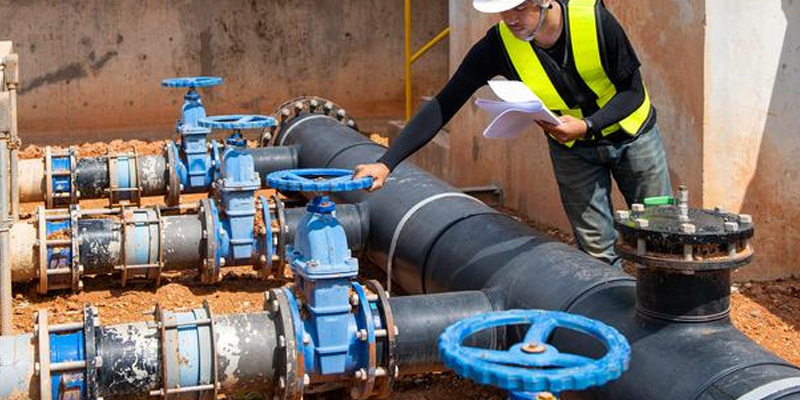
- Water Treatment: Control valves are essential in managing the treatment processes in water supply systems, ensuring safe and clean water delivery.
- Power Generation: In power plants, control valves play a vital role in steam and cooling water management, optimizing energy production.
Key Features to Look for in High-Quality Control Valves
When selecting control valves for industrial applications, consider the following key features:
- Material Quality: High-quality materials enhance durability and resistance to corrosion and wear.
- Precision Engineering: Look for valves that offer precise control for optimal flow management.
- Easy Maintenance: Consider designs that facilitate quick maintenance and repair to minimize downtime.
- Safety Features: Valves should incorporate safety mechanisms to prevent failures and hazards.
- Compatibility: Ensure the valve is compatible with the specific fluids and pressures of your application.
Choosing the Right Control Valve for Your Needs
Selecting the right control valve requires careful consideration of several factors, including:
- Application Requirements: Determine the specific needs of your operations, such as fluid type, flow rate, and pressure.
- Control Method: Evaluate the control method best suited for your application, whether it be manual, pneumatic, or electronic.
- Budget Considerations: While high-quality valves may have a higher upfront cost, consider their long-term savings on maintenance and efficiency.
Conclusion
In conclusion, the benefits of using high-quality industrial control valves are vast and significant. From enhanced efficiency and reduced maintenance costs to improved safety and compliance, these valves are critical components in ensuring smooth and reliable operations across various industries. By prioritizing quality and choosing the right control valves for your specific needs, businesses can achieve greater operational efficiency, lower costs, and increased profitability.
FAQs about Industrial Control Valves
1. What are industrial control valves used for?
Industrial control valves are used to regulate the flow and pressure of fluids in various industrial applications, ensuring optimal process control and efficiency.
2. How do high-quality control valves improve safety?
High-quality control valves are built to withstand harsh conditions, minimizing the risk of failure and ensuring safe operation of systems that handle hazardous materials.
3. What types of control valves are available?
Several types of control valves are available, including globe valves, ball valves, butterfly valves, and check valves, each suited for different applications and requirements.
4. How can I determine the right control valve for my application?
Choosing the right control valve involves evaluating application requirements, control methods, and ensuring compatibility with the fluids and pressures involved.
5. What are the common materials used in high-quality control valves?
Common materials for high-quality control valves include stainless steel, carbon steel, and various alloys, chosen for their durability and resistance to corrosion and wear.
Key words:
More news
Essential Installation Tips for Two-Piece Flanged Ball Valves in Industrial Settings
Understanding Cast Steel Floating Ball Valves: Key Features and Applications
Floating Ball Valve vs. Traditional Valves: What You Need to Know for Optimal Performance
Maximizing Reliability: How Customized Regulating Valves Enhance System Performance
Top Features to Look for in China’s Automatic Water Control Valves
Key Features to Look for in Quality Industrial Control Valves

National sales hotline 7*24 hours
Address: 801-805 Jingshan Road, Guannan Industrial Zone, jimei district, Xiamen City


