

-
General Purpose Valve Series Butterfly valve series Ball valve series Hydraulic control valve series Corrosion-resistant valve series Bellows valve series Regulating valve seriesThree eccentric butterfly valve series Two-way double eccentric metal hard seal butterfly valve Soft seal butterfly valve series Other Butterfly Valve SeriesHydraulic control valve series Multi-function water control valve Elastic Seated Gate Valve On-off electric valve

- All
- Product Management
- News
- Introduction
- Enterprise outlets
- FAQ
- Enterprise Video
- Enterprise Atlas
How Automatic Water Control Valves Enhance Efficiency in Industrial Applications
Release time:
Mar 19,2026
How Automatic Water Control Valves Enhance Efficiency in Industrial Applications
Table of Contents
1. Introduction to Automatic Water Control Valves
2. Understanding the Mechanism of Automatic Water Control Valves
3. The Role of Automatic Water Control Valves in Industrial Applications
3.1. Water Supply Management
3.2. Wastewater Treatment
3.3. Cooling Systems
4. Key Advantages of Automatic Water Control Valves
4.1. Enhanced Operational Efficiency
4.2. Cost Reduction
4.3. Improved Safety Standards
5. Selecting the Right Automatic Water Control Valve
5.1. Types of Automatic Water Control Valves
5.2. Considerations for Selection
6. Integrating Automatic Water Control Valves into Existing Systems
7. Case Studies: Success Stories of Automatic Water Control Valves in Action
8. Frequently Asked Questions (FAQs)
9. Conclusion
1. Introduction to Automatic Water Control Valves
Automatic water control valves are essential components in modern industrial settings, where efficiency and precision are paramount. These valves function autonomously, adjusting water flow based on specific conditions without requiring manual intervention. By integrating these advanced systems, industries can significantly optimize operations, reduce waste, and lower costs.
2. Understanding the Mechanism of Automatic Water Control Valves
The operational mechanics of automatic water control valves are fascinating. These valves typically operate on principles of pressure, flow, and level detection. Utilizing sensors and control mechanisms, they can automatically adjust the opening and closing of the valve in response to variable conditions. This allows for real-time management of water flow, ensuring that systems maintain optimal conditions without human oversight.
3. The Role of Automatic Water Control Valves in Industrial Applications
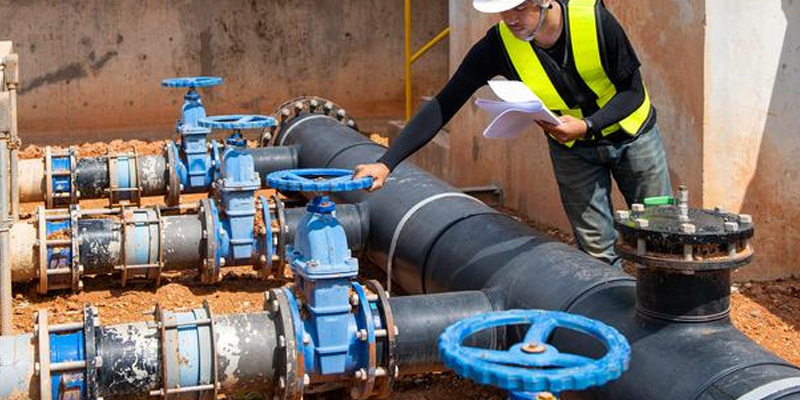
Automatic water control valves play a pivotal role in various industrial applications, where water management is crucial.
3.1. Water Supply Management
Efficient water supply management is vital for any industrial operation. Automatic water control valves help ensure that processes receive the precise amount of water needed, avoiding over or under-supply. This precision leads to increased productivity and minimizes water wastage.
3.2. Wastewater Treatment
In wastewater treatment facilities, automatic water control valves help regulate the flow of wastewater through various treatment stages. By optimizing flow rates, these valves enhance the efficiency of treatment processes, ensuring compliance with environmental standards while reducing operational costs.
3.3. Cooling Systems
Cooling systems in industrial plants often require precise water flow rates to maintain optimal temperatures. Automatic water control valves adjust the flow based on temperature sensors, ensuring that cooling systems operate efficiently and reliably, thus preventing equipment failures.
4. Key Advantages of Automatic Water Control Valves
Investing in automatic water control valves offers a myriad of advantages that drive efficiency in industrial applications.
4.1. Enhanced Operational Efficiency
Automatic water control valves reduce the need for manual adjustments, allowing for continuous operation without human intervention. This continuous operation leads to a more streamlined workflow, minimizing downtime and enhancing overall efficiency.
4.2. Cost Reduction
Industries can achieve significant cost savings through the implementation of automatic water control valves. By minimizing water wastage and optimizing energy use in processes like cooling, facilities can reduce both water and energy costs, leading to substantial long-term savings.
4.3. Improved Safety Standards
Safety is paramount in industrial environments. Automatic water control valves can prevent hazardous situations by automatically shutting off water flow in the event of a malfunction or emergency, thereby protecting both personnel and equipment.
5. Selecting the Right Automatic Water Control Valve
Choosing the appropriate automatic water control valve is crucial for ensuring optimal performance.
5.1. Types of Automatic Water Control Valves
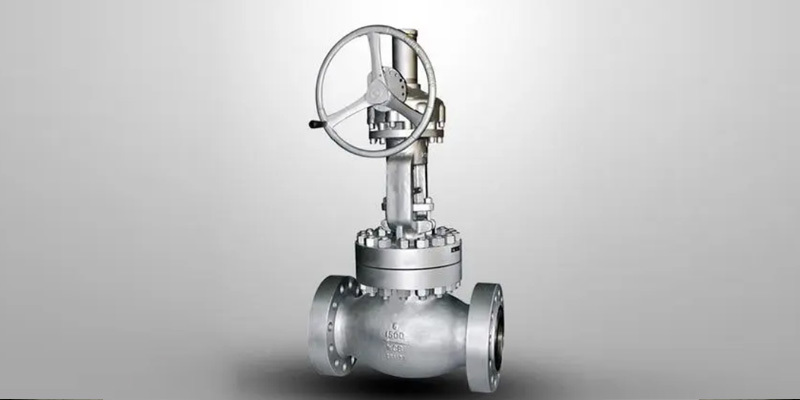
Various types of automatic water control valves are available, including globe valves, gate valves, and ball valves. Each type has its own unique advantages, making it essential to understand the specific requirements of your application before making a selection.
5.2. Considerations for Selection
When selecting an automatic water control valve, consider factors such as flow requirements, pressure ratings, and compatibility with existing systems. Additionally, assessing the valve's material and durability is essential for ensuring long-term performance.
6. Integrating Automatic Water Control Valves into Existing Systems
Integrating automatic water control valves into existing systems can provide immediate benefits. This process often requires a thorough analysis of current systems to identify areas where valves can be installed for maximum impact. Collaborating with experienced professionals can facilitate a smooth integration process, ensuring that your systems operate seamlessly.
7. Case Studies: Success Stories of Automatic Water Control Valves in Action
Numerous industries have successfully implemented automatic water control valves, resulting in remarkable improvements in efficiency. For example, a large manufacturing plant experienced a 30% reduction in water usage after installing these valves in their cooling systems, demonstrating the significant impact of technology on operational efficiency.
8. Frequently Asked Questions (FAQs)
What are automatic water control valves?
Automatic water control valves are devices that regulate water flow automatically, based on sensor inputs and pre-defined conditions.
How do automatic water control valves work?
These valves utilize sensors to detect changes in pressure, flow rate, or water level, automatically adjusting their position to maintain optimal conditions.
What are the benefits of using automatic water control valves in industrial settings?
Benefits include enhanced operational efficiency, cost reduction, improved safety standards, and optimized water management.
Can automatic water control valves be integrated into existing systems?
Yes, they can be integrated into existing systems after careful analysis and consideration of system compatibility.
What factors should I consider when selecting an automatic water control valve?
Consider flow requirements, pressure ratings, valve type, material compatibility, and the specific needs of your application.
9. Conclusion
The integration of automatic water control valves into industrial applications brings about transformative improvements in efficiency and cost-effectiveness. By automating water management processes, industries can enhance productivity, reduce waste, and ensure a safer working environment. As technology continues to evolve, the importance of these advanced systems will only grow, making them indispensable for modern industrial operations. Embracing these innovations is essential for staying competitive in today's fast-paced industrial landscape.
Key words:
More news
Essential Installation Tips for Two-Piece Flanged Ball Valves in Industrial Settings
Understanding Cast Steel Floating Ball Valves: Key Features and Applications
Floating Ball Valve vs. Traditional Valves: What You Need to Know for Optimal Performance
Maximizing Reliability: How Customized Regulating Valves Enhance System Performance
Top Features to Look for in China’s Automatic Water Control Valves
Key Features to Look for in Quality Industrial Control Valves

National sales hotline 7*24 hours
Address: 801-805 Jingshan Road, Guannan Industrial Zone, jimei district, Xiamen City


