

-
General Purpose Valve Series Butterfly valve series Ball valve series Hydraulic control valve series Corrosion-resistant valve series Bellows valve series Regulating valve seriesThree eccentric butterfly valve series Two-way double eccentric metal hard seal butterfly valve Soft seal butterfly valve series Other Butterfly Valve SeriesHydraulic control valve series Multi-function water control valve Elastic Seated Gate Valve On-off electric valve

- All
- Product Management
- News
- Introduction
- Enterprise outlets
- FAQ
- Enterprise Video
- Enterprise Atlas
Achieving Precision: The Crucial Role of Customized Regulating Valves in Process Control
Release time:
Mar 23,2026
Achieving Precision: The Crucial Role of Customized Regulating Valves in Process Control
Table of Contents
- Introduction to Customized Regulating Valves
- Understanding the Importance of Customized Regulating Valves
- Types of Regulating Valves and Their Applications
- The Design Process of Customized Regulating Valves
- Benefits of Customized Regulating Valves in Process Control
- How to Select the Right Customized Regulating Valve
- Installation and Maintenance of Customized Regulating Valves
- The Future of Customized Regulating Valves in Industry
- Frequently Asked Questions
- Conclusion
Introduction to Customized Regulating Valves
Customized regulating valves play a pivotal role in modern industrial processes, ensuring the precise control of fluids in a wide array of applications. These valves are engineered to meet specific operational requirements, allowing industries to maintain optimal performance and efficiency. As process control becomes more complex, the demand for precision in regulating valves has surged, paving the way for innovative designs and functionalities that cater to diverse needs.
Understanding the Importance of Customized Regulating Valves
The significance of customized regulating valves cannot be overstated. In industries such as oil and gas, pharmaceuticals, and water treatment, the ability to control flow rates accurately translates to enhanced operational reliability and safety. Customized valves offer tailored solutions that address unique challenges, such as varying pressure conditions, fluid characteristics, and environmental factors. This adaptability is essential for maintaining the integrity of complex systems, minimizing downtime, and optimizing resource utilization.
Enhanced Efficiency and Performance
Customized regulating valves are designed to optimize fluid dynamics, resulting in improved efficiency and performance. By accurately controlling flow rates and pressure drops, these valves help maintain desired process conditions, reducing energy consumption and operational costs. The result is a more sustainable operation that aligns with modern industry standards for efficiency and environmental responsibility.
Increased Safety Standards
Safety is a paramount concern in industrial operations. Customized regulating valves contribute to enhanced safety by ensuring that fluids are controlled within specified parameters. This minimizes the risk of accidents, such as leaks or bursts, which can have catastrophic consequences. By integrating advanced materials and designs, manufacturers can create valves that withstand harsh conditions while providing reliable performance.
Types of Regulating Valves and Their Applications
When it comes to customized regulating valves, various types are available, each tailored for specific applications. Understanding these types can help in selecting the right valve for your process control needs.
Globe Valves
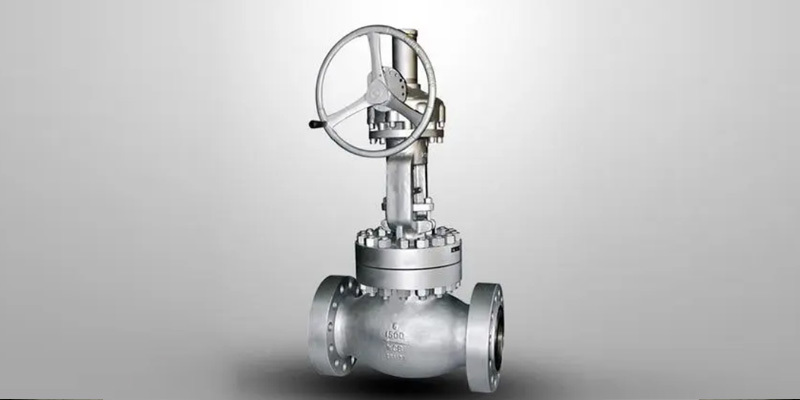
Globe valves are commonly used for regulating flow due to their ability to provide precise control. They feature a spherical body shape that allows for gradual flow regulation through linear motion. These valves are ideal for applications requiring frequent adjustments and throttling.
Ball Valves
Ball valves are known for their quick shut-off capabilities. While more commonly used as on/off valves, specialized designs can allow for flow regulation. These valves are suitable for applications where rapid response times are crucial.
Butterfly Valves
Butterfly valves offer compact designs and are effective for applications requiring large flow rates. Their lightweight structure makes them ideal for installation in tight spaces. Customized butterfly valves can be engineered to handle specific fluid dynamics for optimal performance.
Control Valves
Control valves are designed explicitly for regulating flow, pressure, and temperature in processes. They often integrate electronic actuators and positioners, allowing for automated control and enhanced precision in maintaining process parameters.
The Design Process of Customized Regulating Valves
The design of customized regulating valves involves several critical steps to ensure they meet the specific requirements of the application. This process typically includes the following phases:
Requirement Analysis
Understanding the specific requirements of the application is the first step. This includes analyzing factors such as fluid type, temperature, pressure, and flow characteristics. Collaboration with process engineers can lead to a clearer understanding of the needs, ensuring the design aligns with operational goals.
Material Selection
Choosing the right materials is crucial for the performance and durability of customized regulating valves. Factors such as corrosion resistance, temperature tolerance, and pressure ratings must be considered when selecting materials. Custom valves can be manufactured using a variety of materials, including stainless steel, brass, and specialized alloys.
Prototyping and Testing
Once the design is finalized, prototyping is essential. Creating a prototype allows for testing under simulated operational conditions. This phase helps identify potential issues and ensures that the valve performs as intended before full-scale production.
Manufacturing and Quality Control
The manufacturing process involves precision machining and assembly of the valve components. Rigorous quality control measures should be implemented to ensure that each valve meets the specified design standards. This includes pressure testing, flow testing, and inspection for dimensional accuracy.
Benefits of Customized Regulating Valves in Process Control
The advantages of utilizing customized regulating valves in process control extend beyond mere functionality. They offer a range of benefits that contribute to the overall productivity and reliability of industrial operations.
Tailored Solutions for Unique Challenges
Every industry faces its own set of challenges. Customized regulating valves provide tailored solutions that address specific operational hurdles. This adaptability ensures that businesses can maintain control over their processes despite varying conditions.
Improved Process Accuracy
Precision is a critical factor in process control. Customized valves are engineered to provide accurate flow regulation, which translates to improved process accuracy. This heightened level of control leads to better product quality and consistency.
Cost-Effectiveness
Although the initial investment in customized regulating valves may be higher than off-the-shelf solutions, the long-term savings are significant. Enhanced efficiency, reduced maintenance needs, and minimized downtime all contribute to a more cost-effective operation over time.
How to Select the Right Customized Regulating Valve
Selecting the appropriate customized regulating valve for your process requires careful consideration. The following factors should be evaluated:
Application Requirements
Understanding the specific requirements of your application is paramount. Consider factors such as the type of fluid, flow rate, pressure range, and temperature. Each of these elements will influence your choice of valve.
Valve Type
Choosing the right valve type is crucial for achieving the desired control. Assess the benefits and limitations of each type of valve, including globe, ball, butterfly, and control valves, to determine which one aligns best with your operational needs.
Manufacturer Expertise
Partnering with an experienced manufacturer is essential for ensuring quality and performance. Look for manufacturers that specialize in customized solutions and have a proven track record in your industry.
Budget Considerations
While it's important to invest in quality, budget considerations cannot be overlooked. Evaluate the total cost of ownership, including initial costs, maintenance, and potential downtime, to make an informed decision.
Installation and Maintenance of Customized Regulating Valves
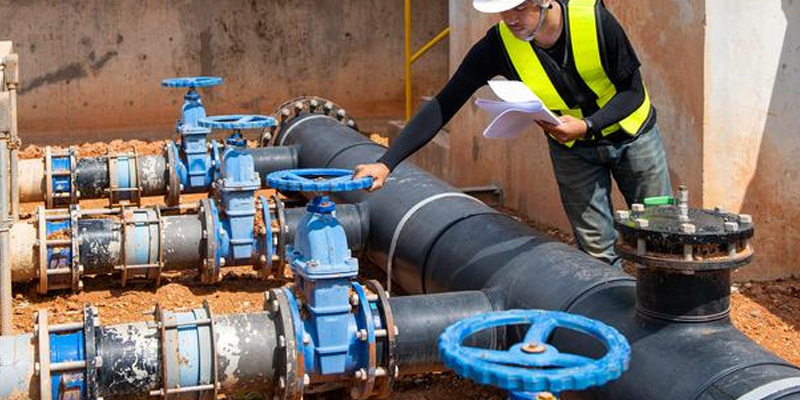
Proper installation and maintenance are crucial for the optimal performance of customized regulating valves. Following best practices can significantly extend the lifespan of these essential components.
Installation Best Practices
1. **Pre-Installation Inspection**: Before installation, inspect the valve for any defects or damage.
2. **Follow Manufacturer Guidelines**: Adhere to the manufacturer’s installation instructions to ensure proper fitting and alignment.
3. **Use Appropriate Tools**: Utilize the right tools and equipment to prevent damage during installation.
Maintenance Recommendations
1. **Regular Inspections**: Schedule regular inspections to identify potential issues before they escalate.
2. **Cleaning**: Keep the valves clean to prevent buildup that could impede performance.
3. **Lubrication**: Regularly lubricate moving parts to ensure smooth operation and reduce wear.
The Future of Customized Regulating Valves in Industry
The future of customized regulating valves appears promising, driven by advancements in technology and the increasing complexity of industrial processes. Innovations in materials, automation, and data analytics are set to redefine how these valves are designed and utilized.
Integration of Smart Technologies
Smart technologies, such as IoT sensors and AI-driven analytics, are transforming process control. Customized regulating valves can be equipped with smart sensors that provide real-time data on performance, allowing for proactive maintenance and enhanced control.
Sustainability Focus
As industries strive for sustainability, customized regulating valves are evolving to minimize environmental impact. This includes the use of eco-friendly materials and designs that improve energy efficiency.
Frequently Asked Questions
1. What are customized regulating valves?
Customized regulating valves are specifically designed valves that are tailored to meet the unique requirements of various industrial processes. They provide precise control over the flow of fluids.
2. What industries benefit from customized regulating valves?
Industries such as oil and gas, pharmaceuticals, food and beverage, and water treatment benefit significantly from customized regulating valves due to their need for precise process control.
3. How do I determine the right valve type for my application?
To determine the right valve type, assess your application’s specific requirements, including fluid type, pressure, flow rate, and temperature. Consult with a valve expert for tailored recommendations.
4. Are customized valves more expensive than standard valves?
While the initial cost of customized valves may be higher, they can lead to long-term savings through improved efficiency and reduced maintenance costs.
5. How often should customized regulating valves be maintained?
Regular maintenance schedules should be established based on usage and operational conditions. Routine inspections and cleaning are recommended to ensure optimal performance.
Conclusion
Customized regulating valves are integral to achieving precision and efficiency in process control across various industries. Their tailored designs address unique operational challenges, enhancing safety, reducing costs, and improving overall performance. As technology continues to evolve, these valves will play an increasingly vital role in shaping the future of industrial processes. By investing in customized solutions, businesses can ensure they stay ahead in a competitive landscape, maximizing their operational capabilities while minimizing risks.
Key words:
More news
Essential Installation Tips for Two-Piece Flanged Ball Valves in Industrial Settings
Understanding Cast Steel Floating Ball Valves: Key Features and Applications
Floating Ball Valve vs. Traditional Valves: What You Need to Know for Optimal Performance
Maximizing Reliability: How Customized Regulating Valves Enhance System Performance
Top Features to Look for in China’s Automatic Water Control Valves
Key Features to Look for in Quality Industrial Control Valves

National sales hotline 7*24 hours
Address: 801-805 Jingshan Road, Guannan Industrial Zone, jimei district, Xiamen City


